


 GRANT
GRANTMangrove Forests, Climate, and Livelihoods with Landesa
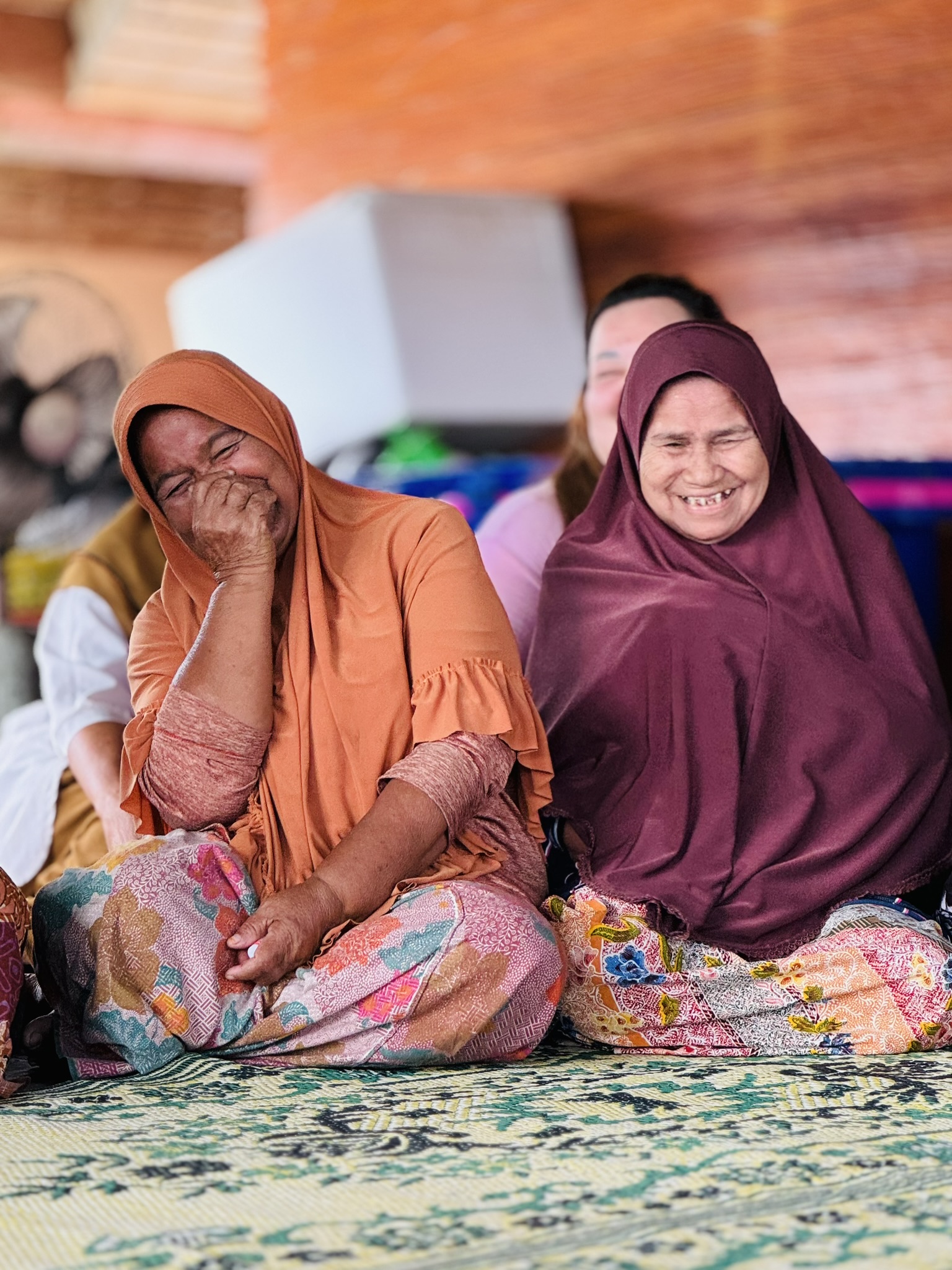
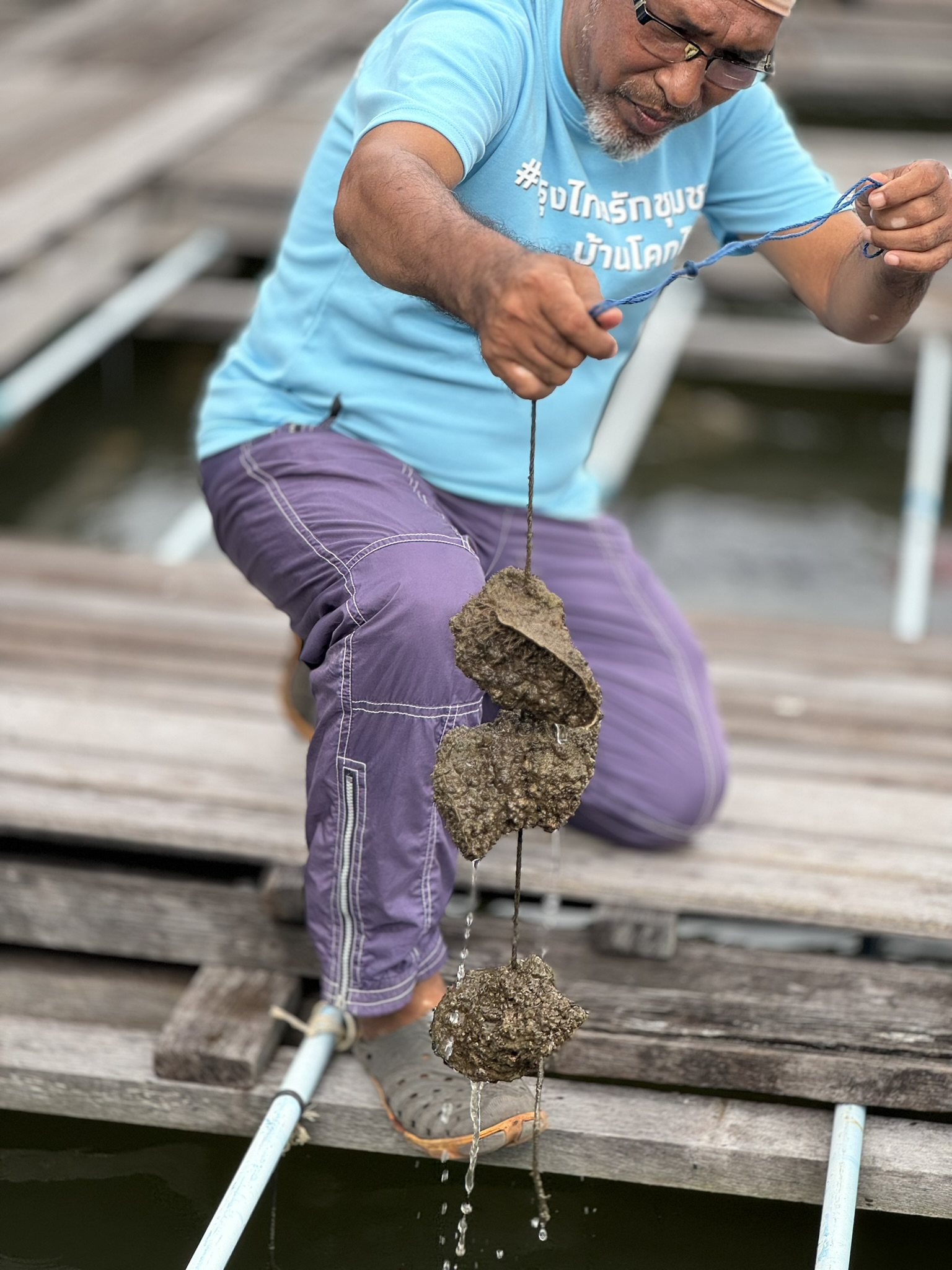
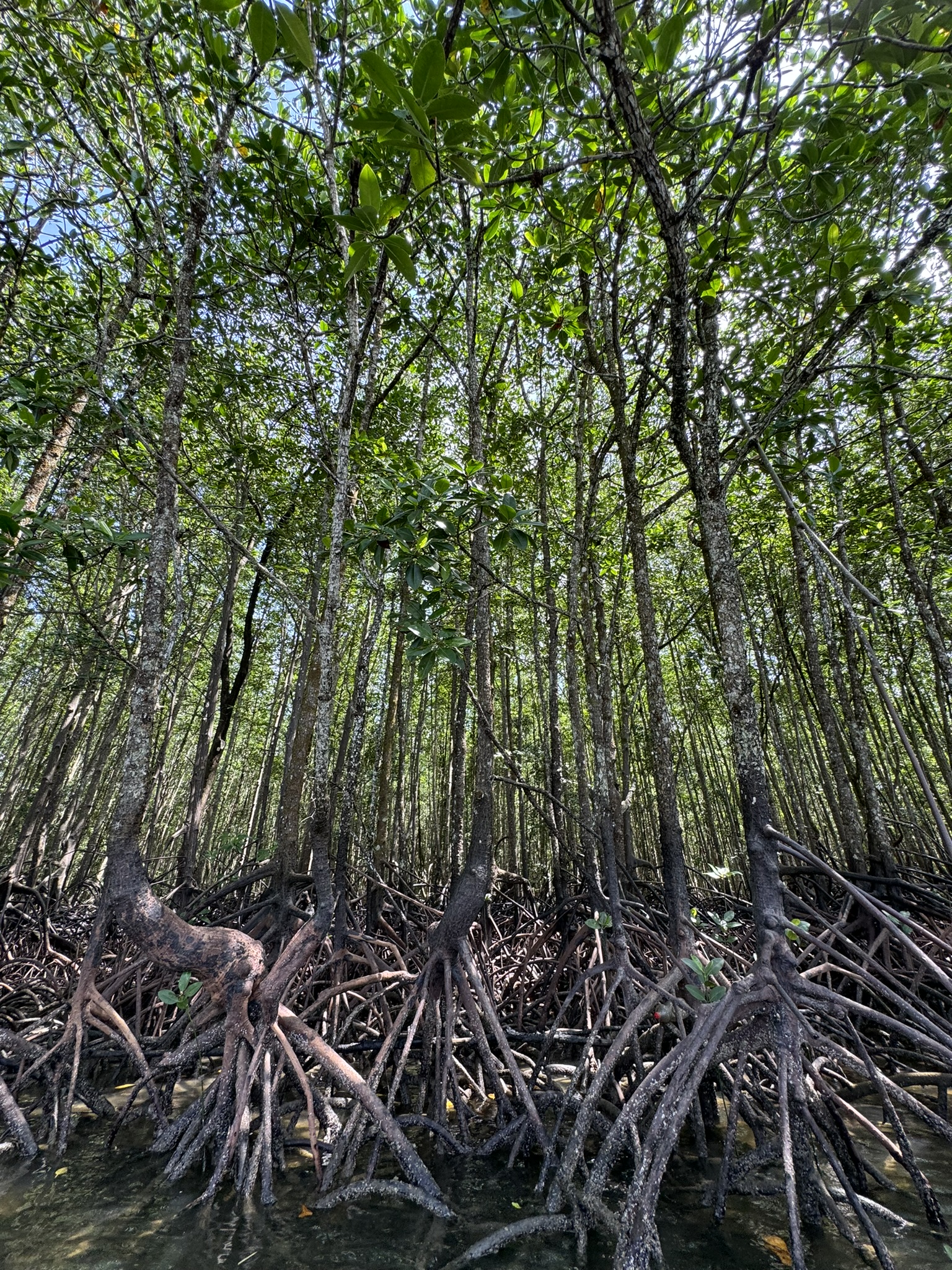
ECCA is supporting Landesa in working with Thailand’s national and provincial governments to shape laws and policies that strengthen mangrove conservation, improve coastal livelihoods, and contribute to climate change mitigation. Grounded in an evidence-based approach, Landesa’s work is informed by on-the-ground pilots and robust data from leading partners — with a strong emphasis on securing women’s land tenure rights. The initiative aims to protect up to 200,000 hectares of mangrove forests, improve the livelihoods of up to 11 million coastal residents, and help mitigate up to 41 million metric tons of carbon emissions.


Challenge
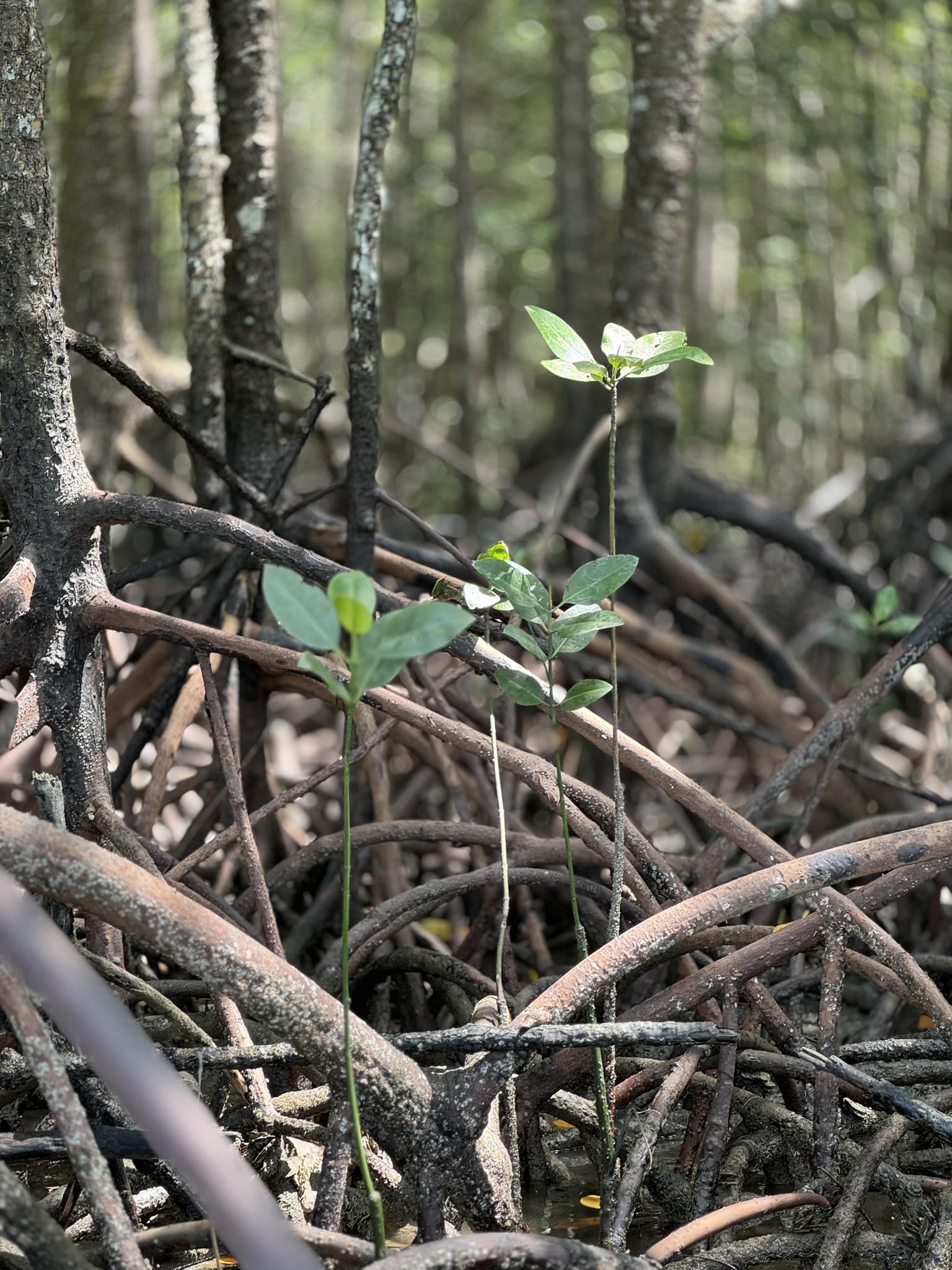
Mangrove ecosystems in Thailand face urgent threats from coastal development, pollution, and unsustainable land use – and today, only about 25% of Thailand’s mangroves remain intact. This decline harms biodiversity, undermines local fisheries, and erodes the vital carbon sequestration capacity these forests provide.
Effective conservation is further complicated by fragmented data on mangrove health, inconsistent policy enforcement, and poor coordination between national and local governments. Although coastal communities often depend on and maintain long-standing relationships with mangrove ecosystems, limited participation in governance structures and barriers to secure land tenure and management practices can hinder the protection of these critical habitats.
Gender inequality adds another layer of difficulty. Women often face limited access to land ownership and decision-making, reducing community engagement and the long-term effectiveness of conservation efforts.
Addressing these challenges requires a multi-stakeholder approach that integrates evidence-based policy reform, stronger legal frameworks, and genuine community participation -ensuring both ecological protection and improved livelihoods.
Approach
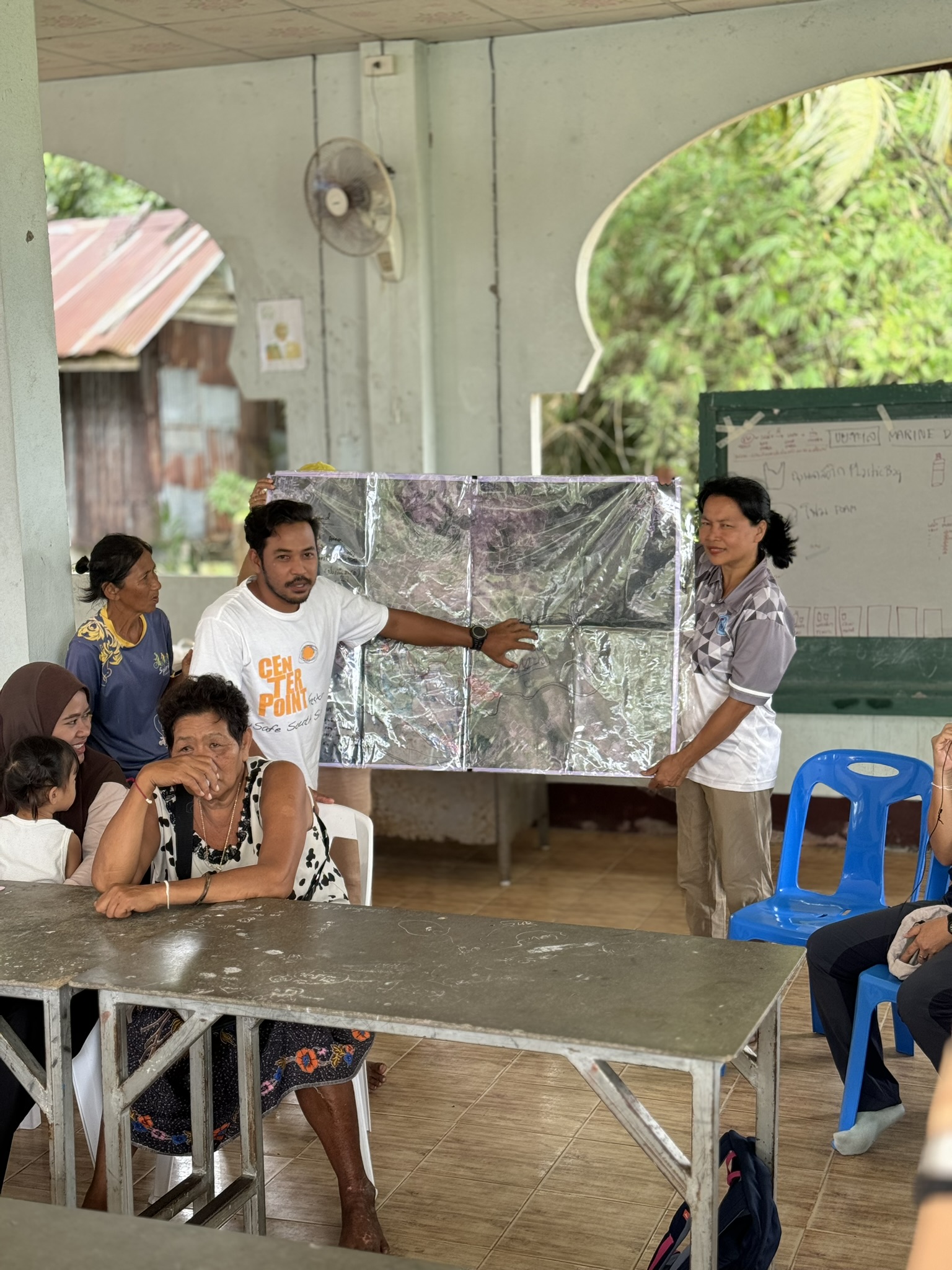
Landesa’s approach centers on leveraging robust evidence of mangrove threats – and the benefits of their protection – to drive meaningful policy reform. The program actively engages national, provincial, and local stakeholders to ensure policy alignment and secure strong government commitment to mangrove conservation. This includes organizing consultations and workshops that promote country-level policy reforms and support legal frameworks integrating mangrove protection into broader national strategies, with a particular emphasis on women’s land tenure rights.
In parallel, Landesa focuses on enhancing data collection and improving access to critical information that can inform policy decisions. By collaborating with regional partners and mobilizing resources, the program expands the reach of mangrove conservation efforts across Thailand – ensuring policies are effectively implemented at all levels of government. Through this holistic and inclusive approach, Landesa seeks to protect and restore mangrove ecosystems, strengthen the livelihoods of coastal communities, and contribute meaningfully to climate change mitigation.