This Isn’t a Report. It’s a Living System.
Annual Report 2025
Our Story
Since 2020, ECCA Family Foundation has been at the heart of Christian Algot Enevoldsen and his family’s philanthropic work. What started as a few personal projects has grown into a foundation rooted in family values but shaped by the partnerships and collaborations with people and organizations we’ve met along the way. Today, ECCA is more than a foundation. It’s a growing community working towards a common vision.
& Mission
An equitable world where nature and communities thrive together.
We empower those who have the conviction to enhance their communities and environment with the confidence, capital and capacity to build an equitable world.
Focus Areas
Championing healthy ecosystems to support life and safeguard a biodiverse future.
Fostering open, vibrant communities with more opportunities and improved well-being.
A Letter from Christian
In the early days, we asked a simple question: Is this organization doing good work? If the answer was yes, we wanted to support it.
That question hasn’t gone away. But alongside it, a different one emerged: what if the connections between the work mattered as much as the work itself? It took time to see it. We were close to the ground - focused on individual partners, individual projects, individual problems.
Over time, something else came into view: efforts that seemed separate until something linked them, patterns we hadn’t designed, connections we recognized only in hindsight.
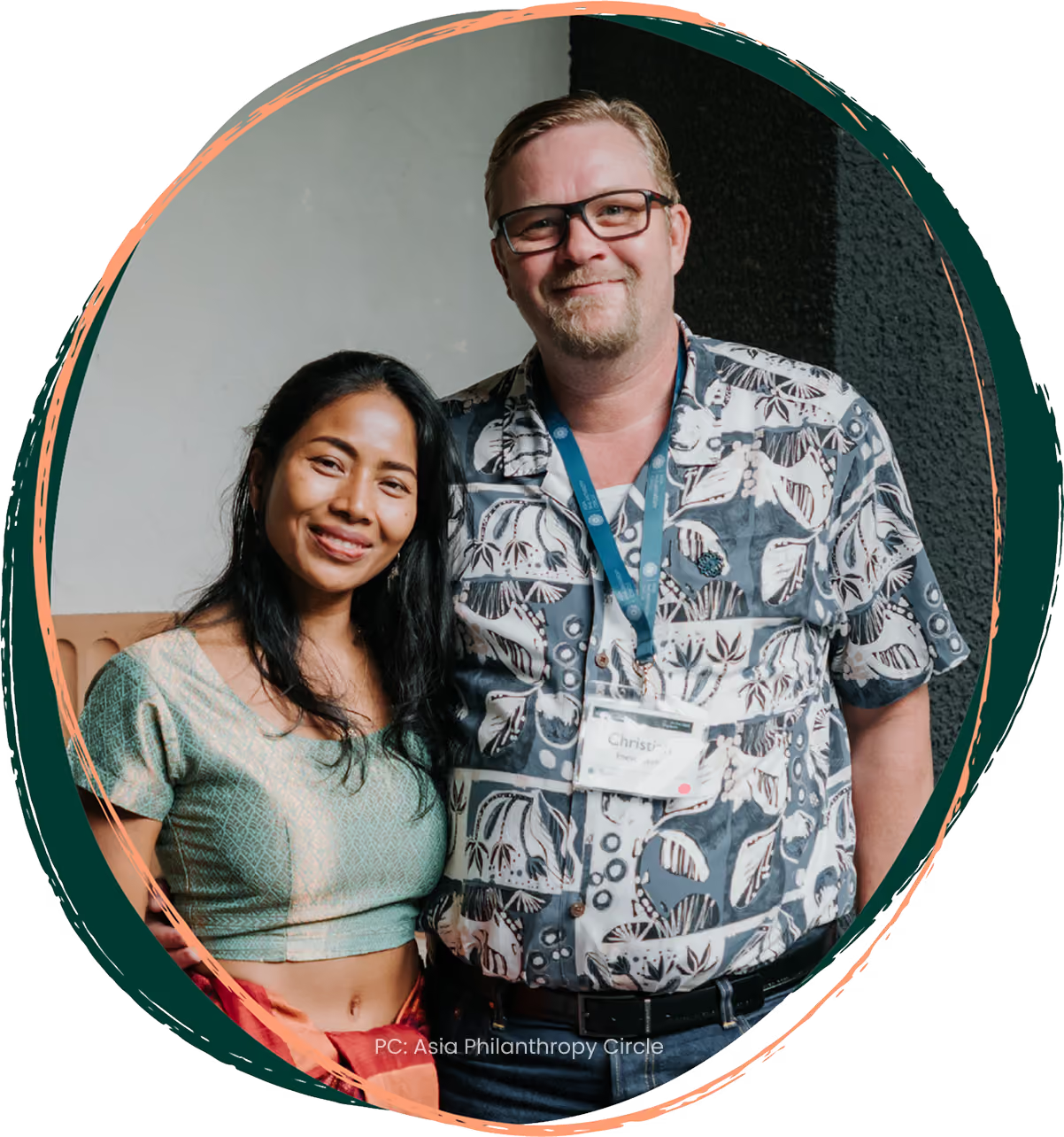
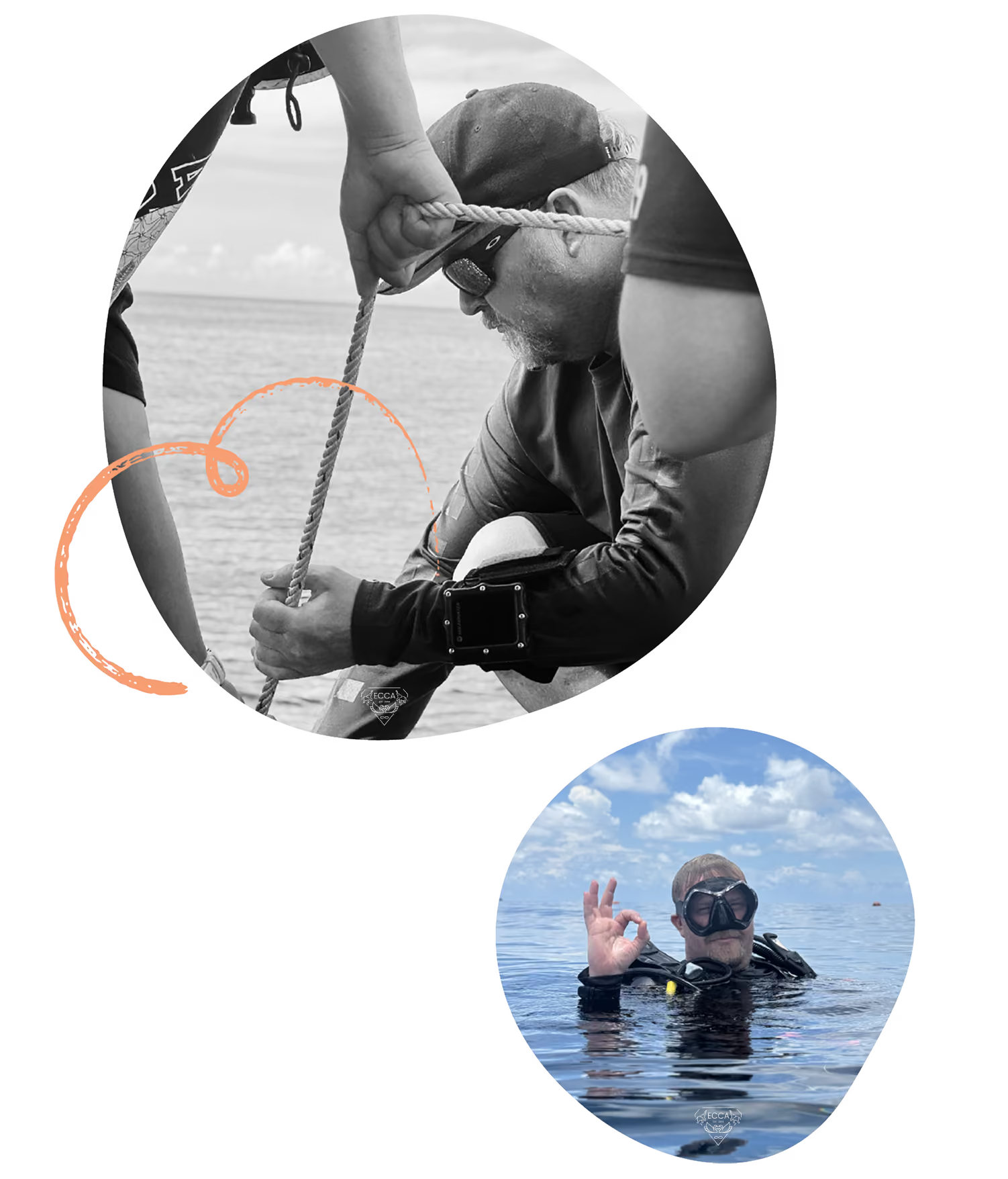
In 2025, we became more deliberate about that. Less like a funder distributing resources - more like a connector, helping different parts of the same system find each other. It wasn’t a strategy we set out to execute. It grew from years of being present, building trust, and staying curious.
This report is an attempt to show what that looks like in practice. Not as a finished picture - systems don’t move in straight lines, and rarely on cue - but as a collection of signals. Small moments where things connect, reinforce, or unlock something that wasn’t possible before.
None of it happens without the people and organizations we are fortunate enough to walk alongside. To every partner, funder, and community member who has shared their work, their trust, and their conviction with us - thank you.
You are the reason any of this is visible at all.
We are still learning.
And we are learning alongside the best.

ECCA Family Foundation
What We're Starting to See
A local marine management model finding its way into national policy. A recycling startup making low-value waste economically viable. An arts program shifting how a city talks about public health. A chance conversation between funders that crossed two continents.
Separate stories - until they aren’t.
What this report tries to capture is the space between. The ideas that travel across sectors. The relationships that create pathways where none existed. The moments when community work shapes policy, when funding unlocks coordination, when trust between two organizations opens a door for a third.
Some of those connections are deliberate. Many emerged on their own. Some are still forming.
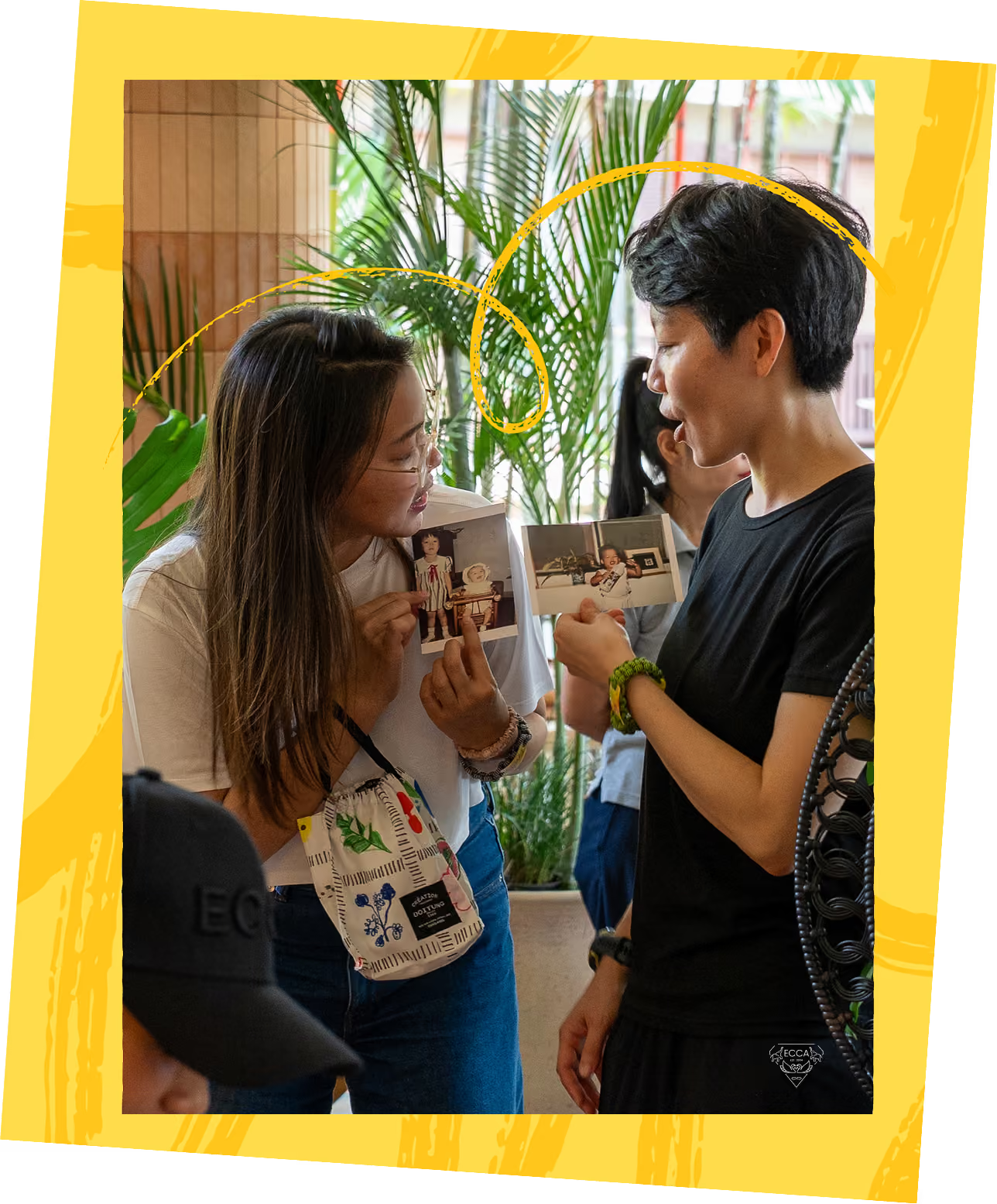
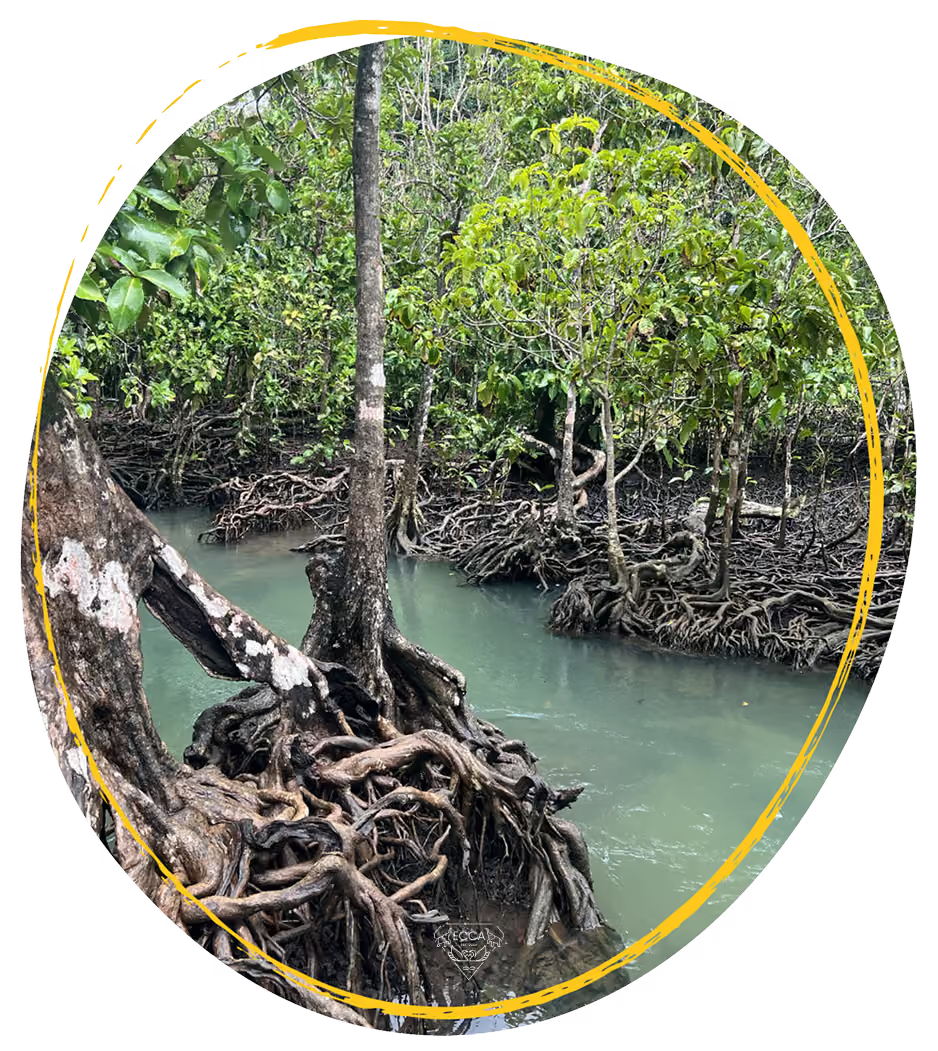
a finished system. But something
is taking shape.
The
ECCAsystem

Explore ECCAsystem in an interactive map >
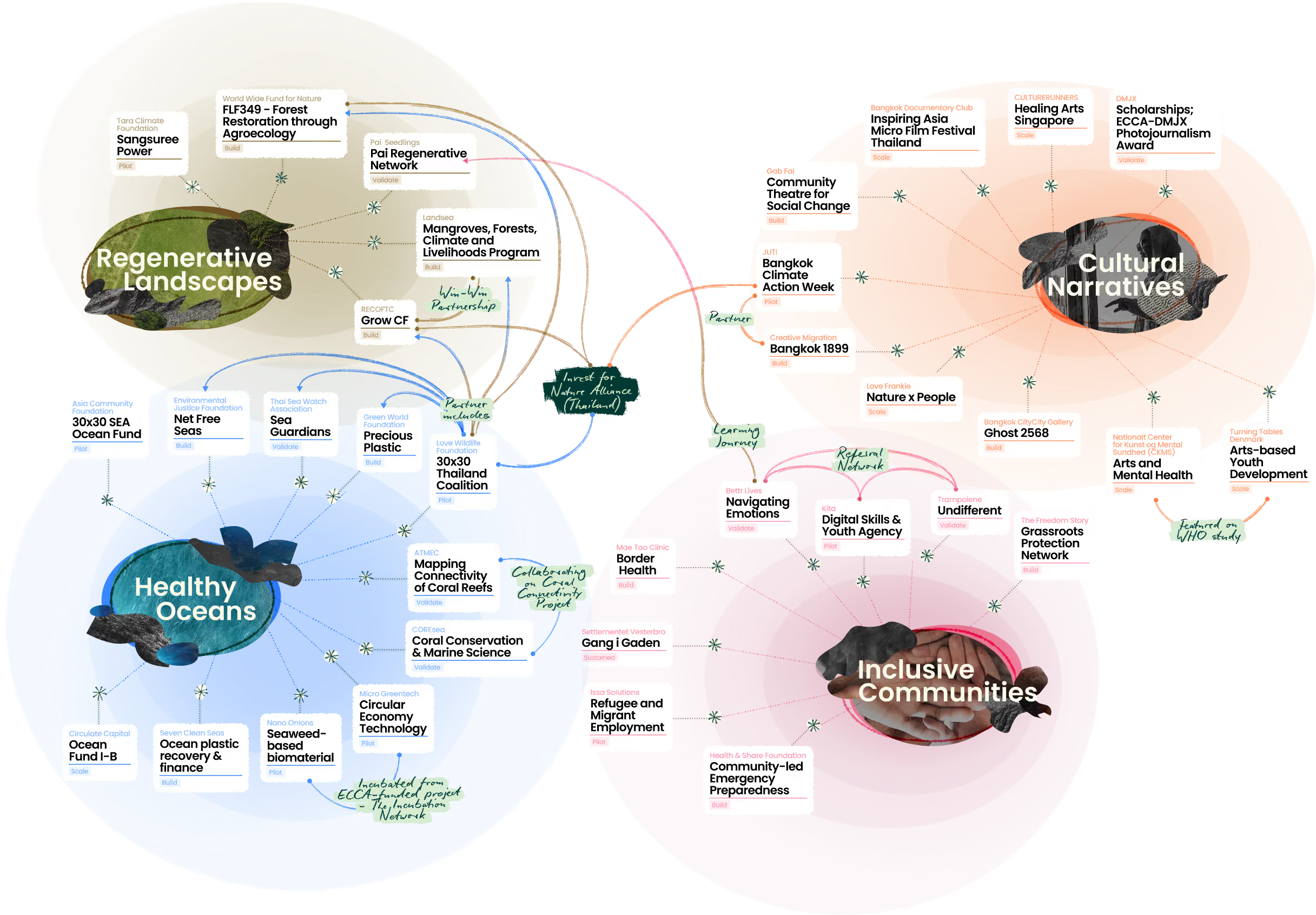
Each partner has a primary area of work. Most reach beyond it - into policy, into other sectors, into conversations that weren’t part of the original plan. The connections between them are sometimes intentional. Often, they’re not.
The four maps ahead aren’t walls. They’re entry points into the same body of work. What happens in one rarely stays there.
As you move through the report, we hope you’ll see not just what each effort does - but what becomes possible when they start to find each other.
Explore ECCAsystem in an interactive map >
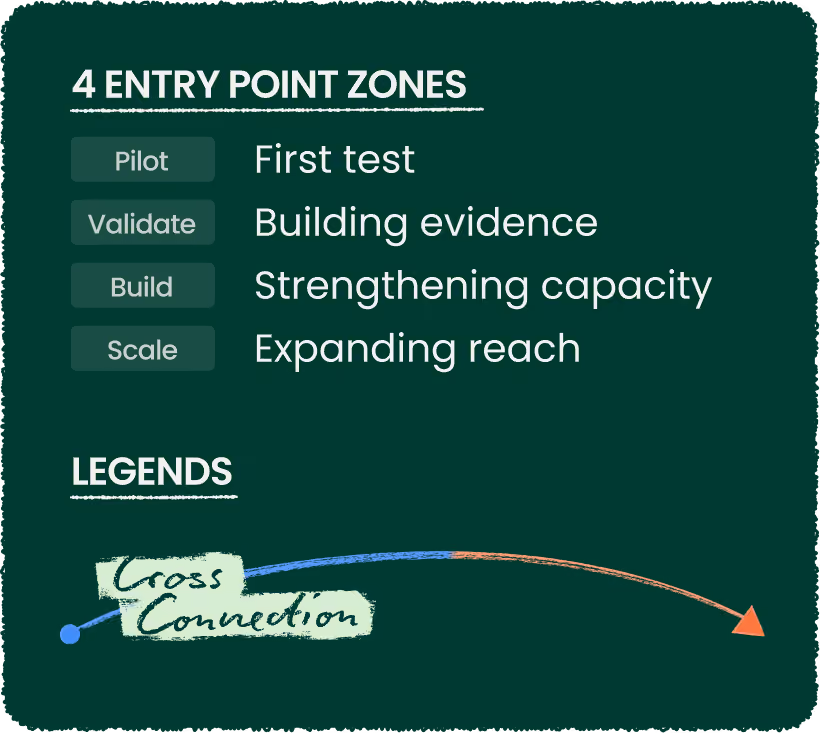
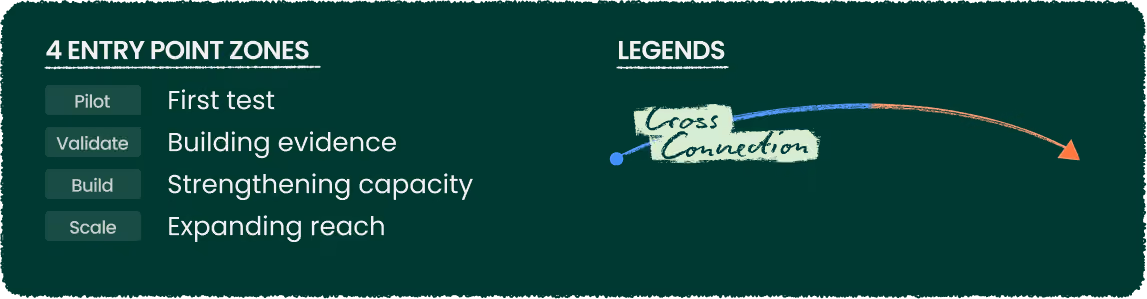
ECCAsystem at a Glance

Narratives

Landscapes

Communities

committed,
USD $10.73M
disbursed.
3.89M
Hectares
People
New
People
People
Metric Tons
People’s
People
People
People
Survey 2025


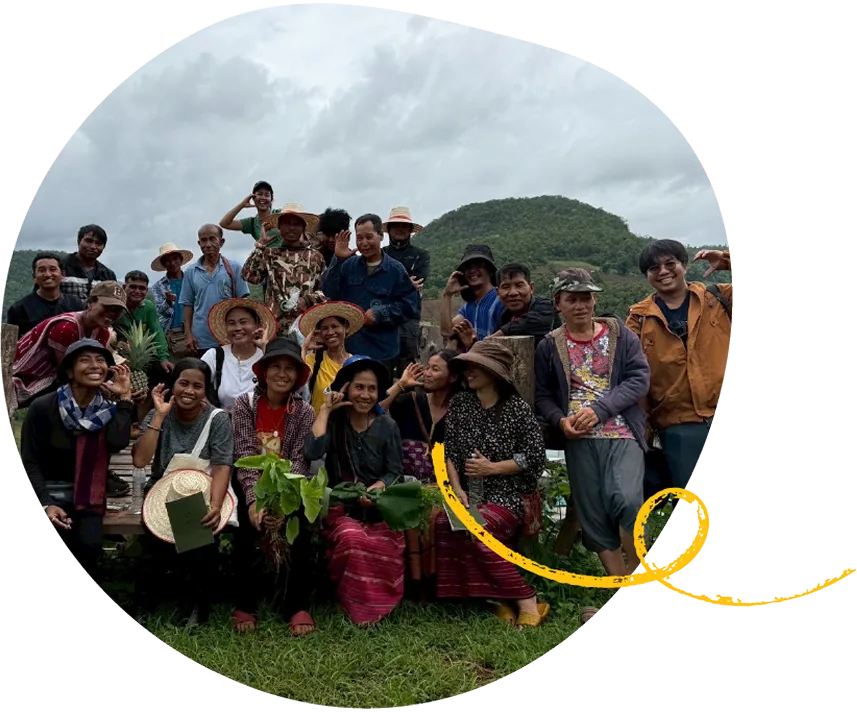
“Their early belief gave us confidence at a time when everything was still uncertain… having Christian and management team come in person to see our operation make us feel seen and understood. It reassures us that we’re building something worthwhile.”
“The foundation spent about a year visiting the area—until it truly understood the local context and the organizations it would work with. ECCA is willing to put in extra effort to observe the sector, know the strength and weakness of our organization and how we play a part in the ecosystem.”
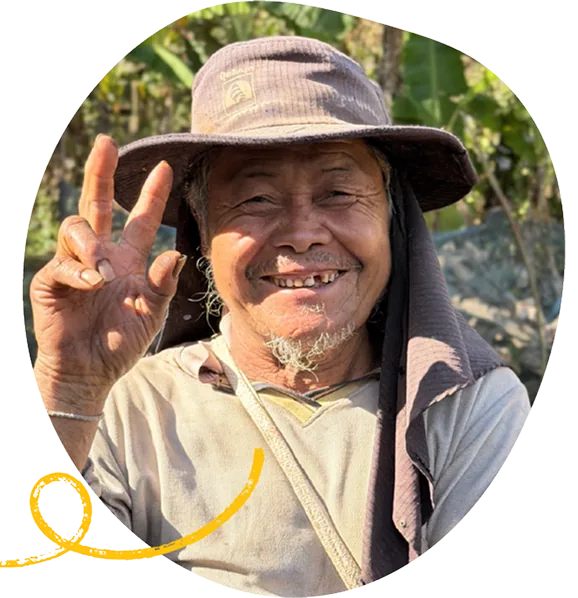
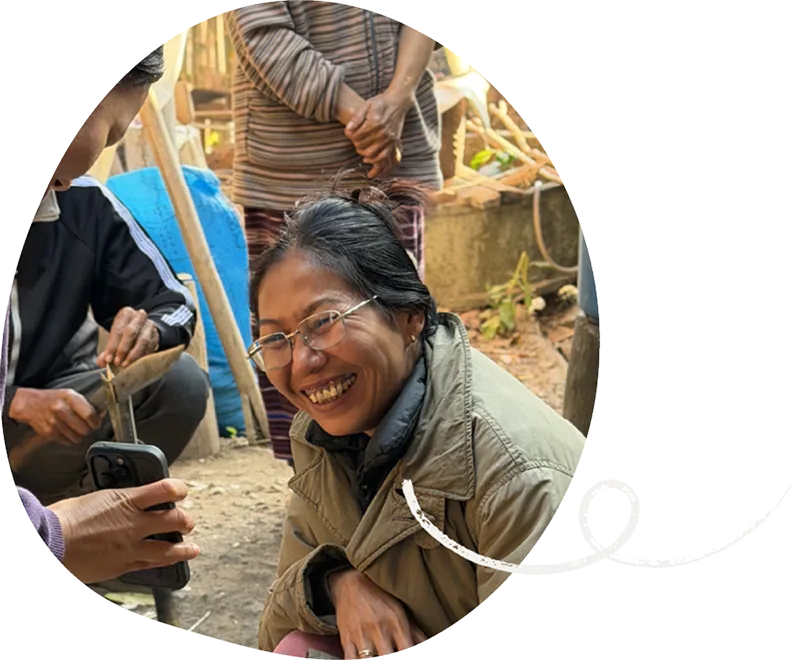
“I have been able to meet new partners, build friendships, and explore meaningful opportunities for collaboration. This expanded network has strengthened both our capacity and our impact.”
How Change Moves
Explore ECCAsystem in an interactive map >
The solutions are murkier.
Who can document what’s actually happening? Who has the authority to act on it? What kind of support - financial, relational, political - does change actually need?
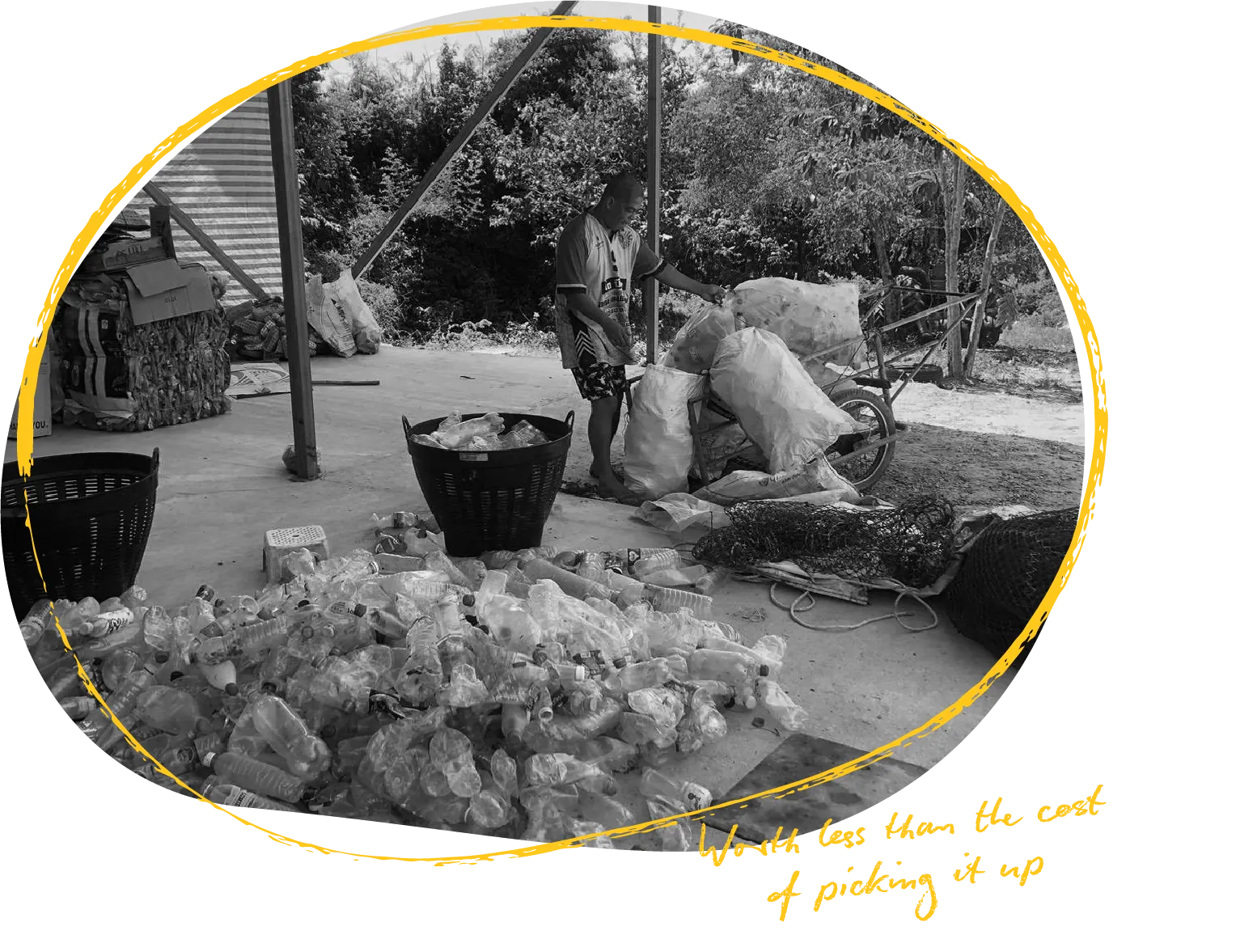
These are the questions that shape this part of our portfolio. We support partners working the problem from different angles: communities monitoring their own waters, advocates pushing for policy and enforcement, platforms that bring the right people into the same room, and initiatives finding ways to make ocean health economically viable - not just morally urgent.
No single piece solves it. But when they start to find each other, something shifts.
Explore ECCAsystem in an interactive map >



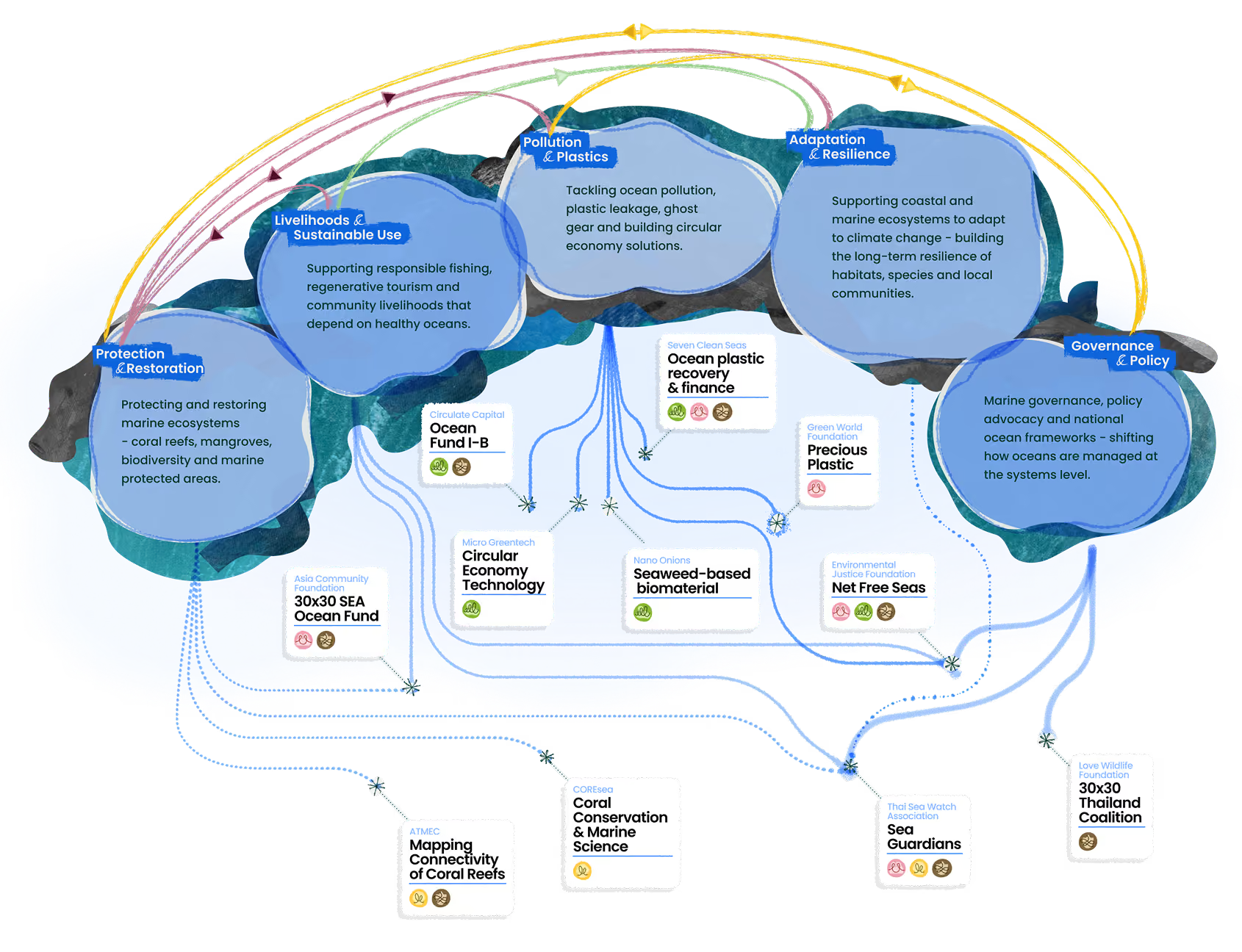
Healthy Oceans — the 11 partner projects shown on this map:
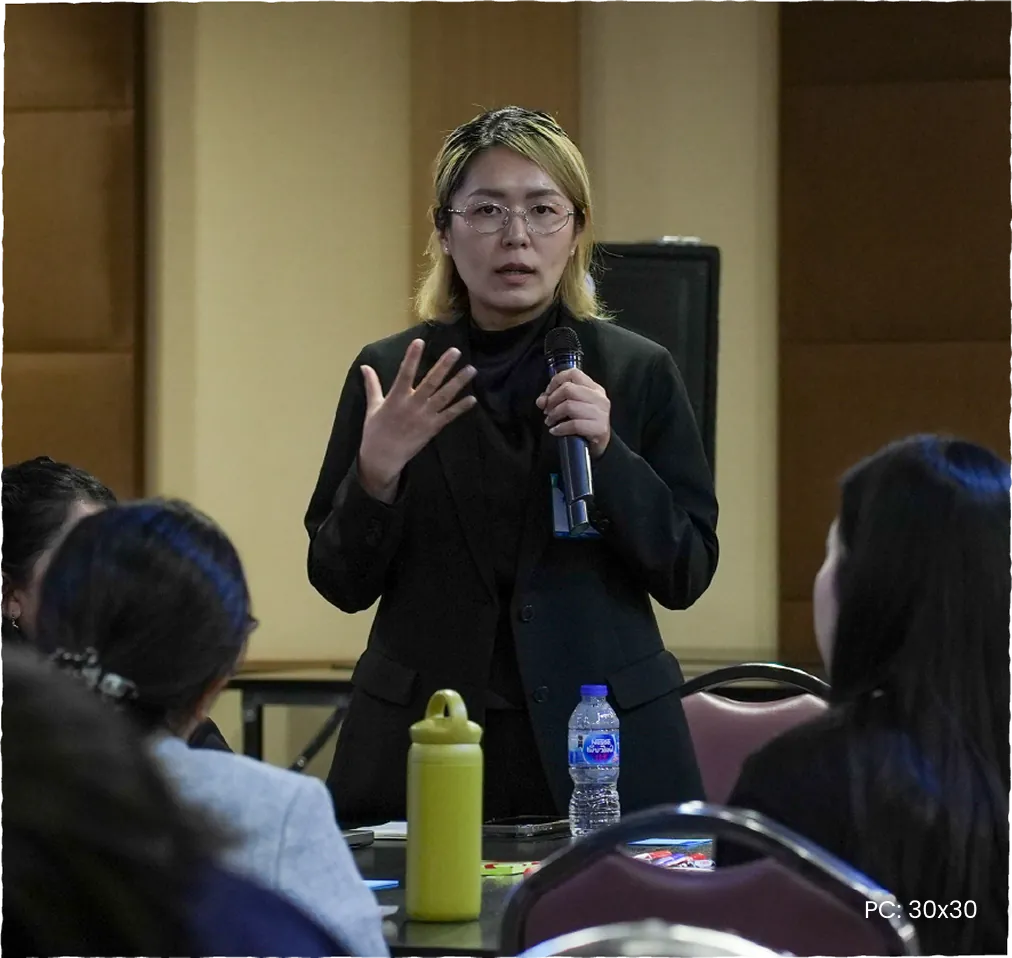
- 30x30 SEA Ocean Fund — Asia Community Foundation. Singapore. Stage: Pilot. Areas of work: Frontline & Communities; Network & Policy.
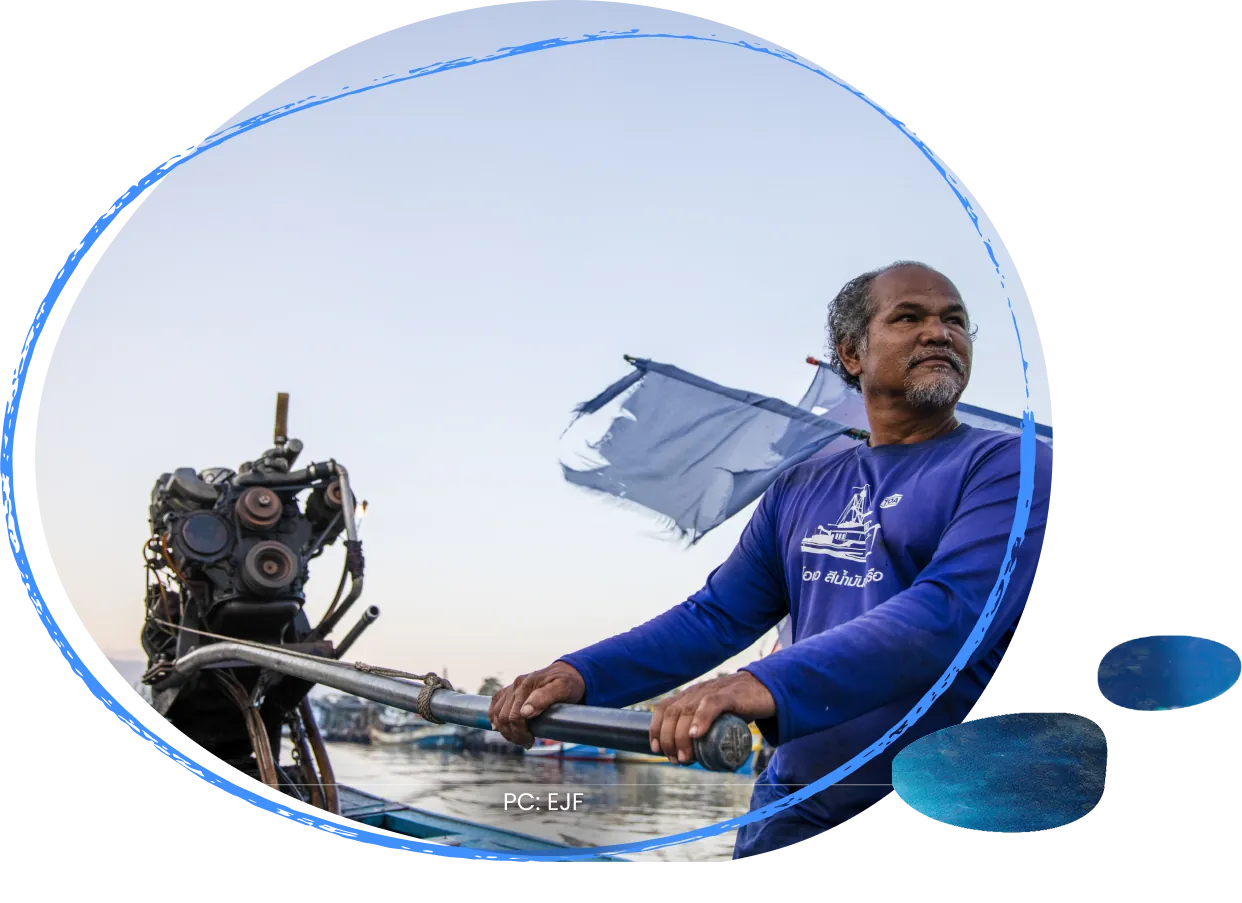
- Net Free Seas — Environmental Justice Foundation. Thailand. Stage: Build. Areas of work: Frontline & Communities; Markets & Finance; Network & Policy.
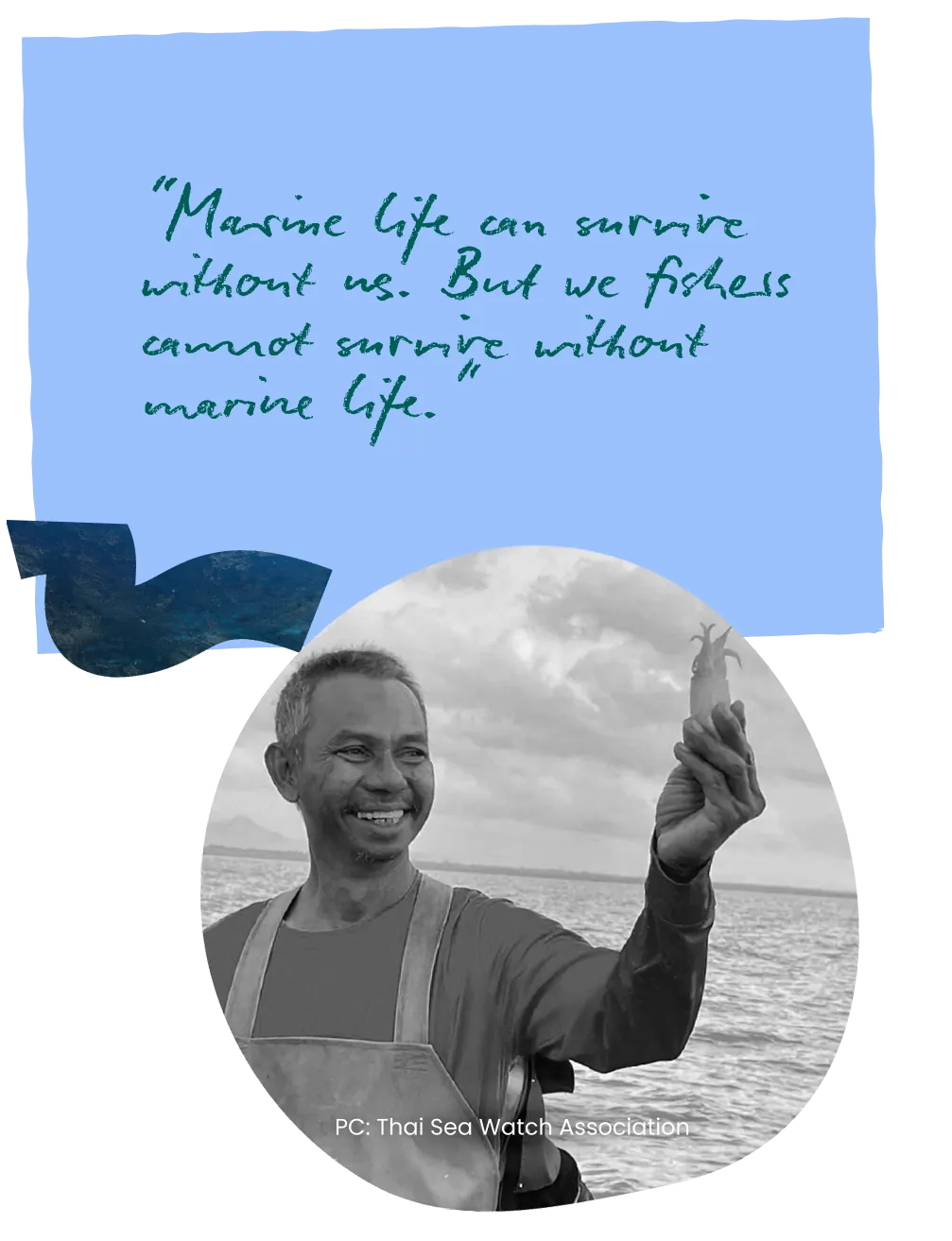
- Sea Guardians — Thai Sea Watch Association. Thailand. Stage: Validate. Areas of work: Frontline & Communities; Science & Evidence; Network & Policy.
- Precious Plastic — Green World Foundation. Thailand. Stage: Build. Areas of work: Frontline & Communities.
- 30x30 Thailand Coalition — Love Wildlife Foundation. Thailand. Stage: Pilot. Areas of work: Network & Policy.
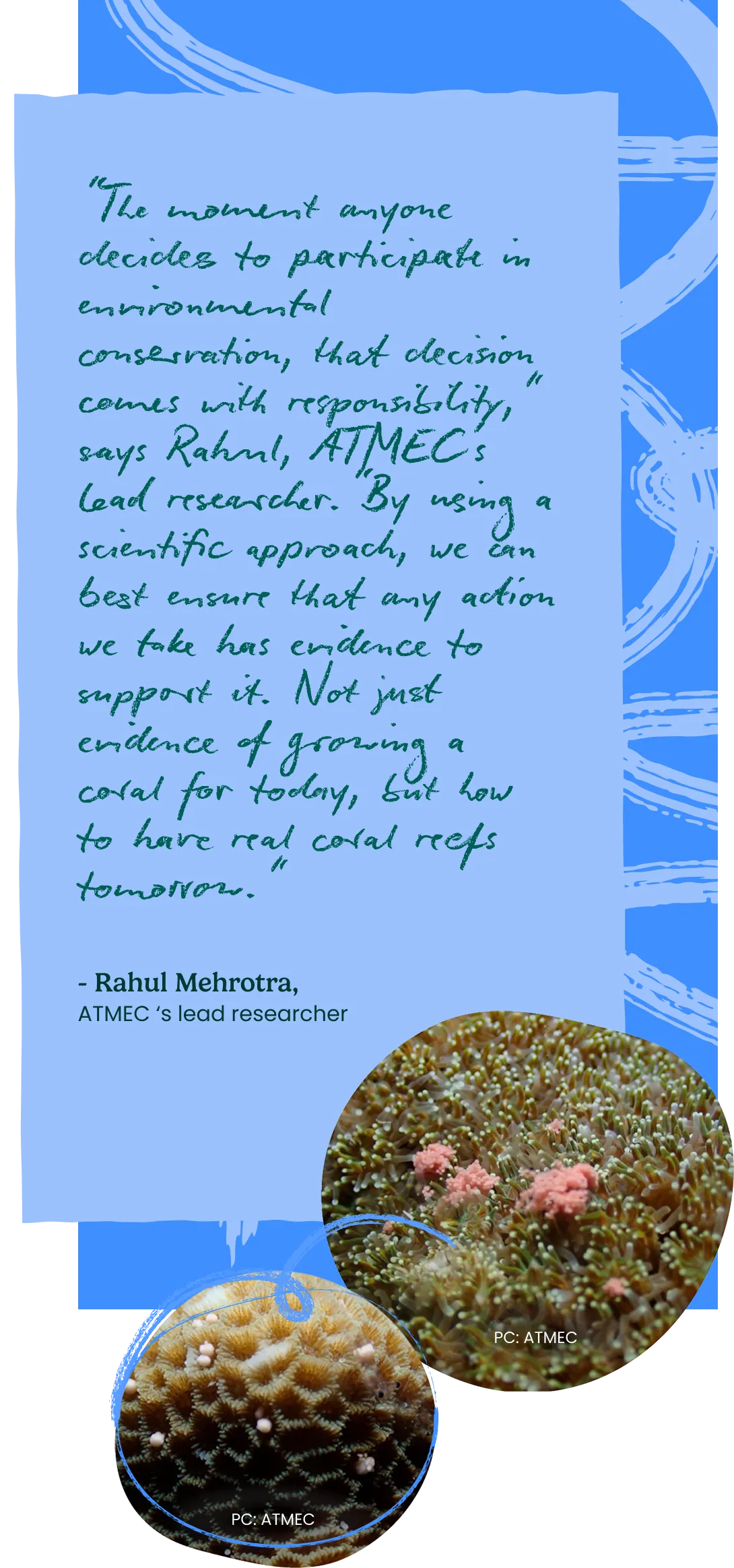
- Mapping Connectivity of Coral Reefs — ATMEC. Thailand. Stage: Validate. Areas of work: Science & Evidence; Network & Policy.
- Coral Conservation & Marine Science — CORESea. Thailand. Stage: Validate. Areas of work: Science & Evidence.
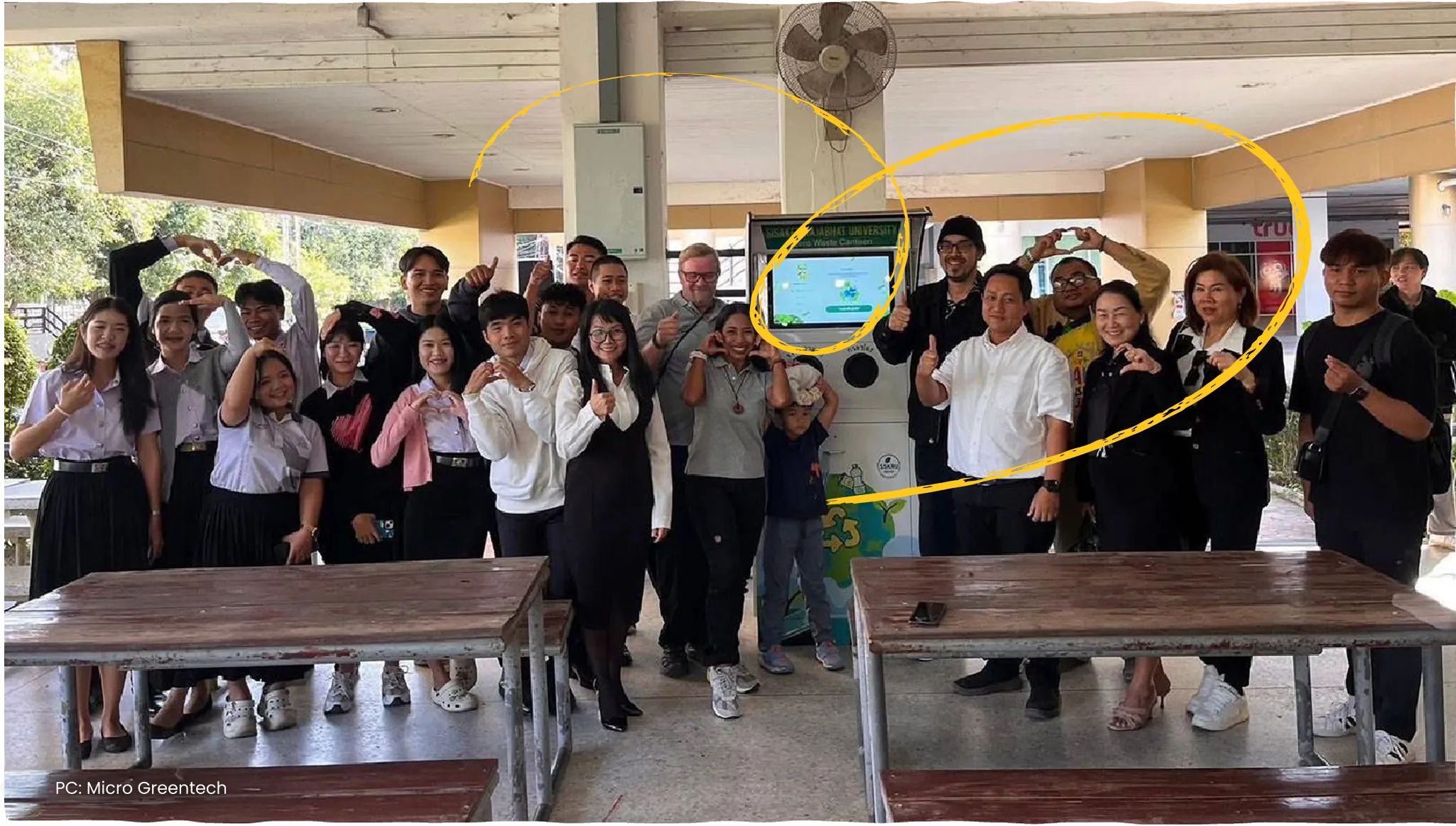
- Circular Economy Technology — Micro Greentech. Thailand. Stage: Pilot. Areas of work: Markets & Finance.
- Ocean Fund I-B — Circulate Capital. Singapore. Stage: Scale. Areas of work: Markets & Finance; Network & Policy.
- Ocean plastic recovery & finance — Seven Clean Seas. Thailand, Singapore, Indonesia. Stage: Build. Areas of work: Markets & Finance; Frontline & Communities; Network & Policy.
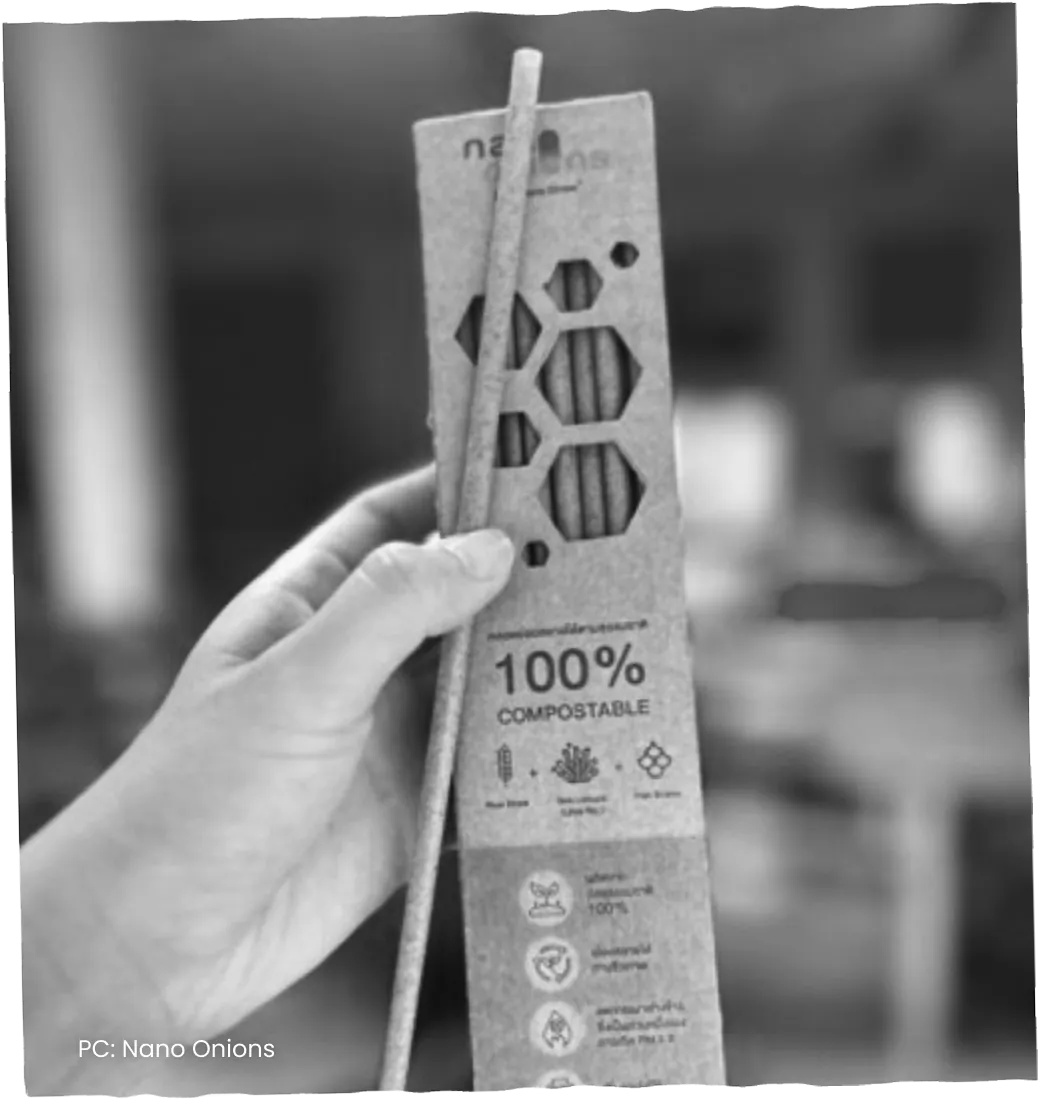
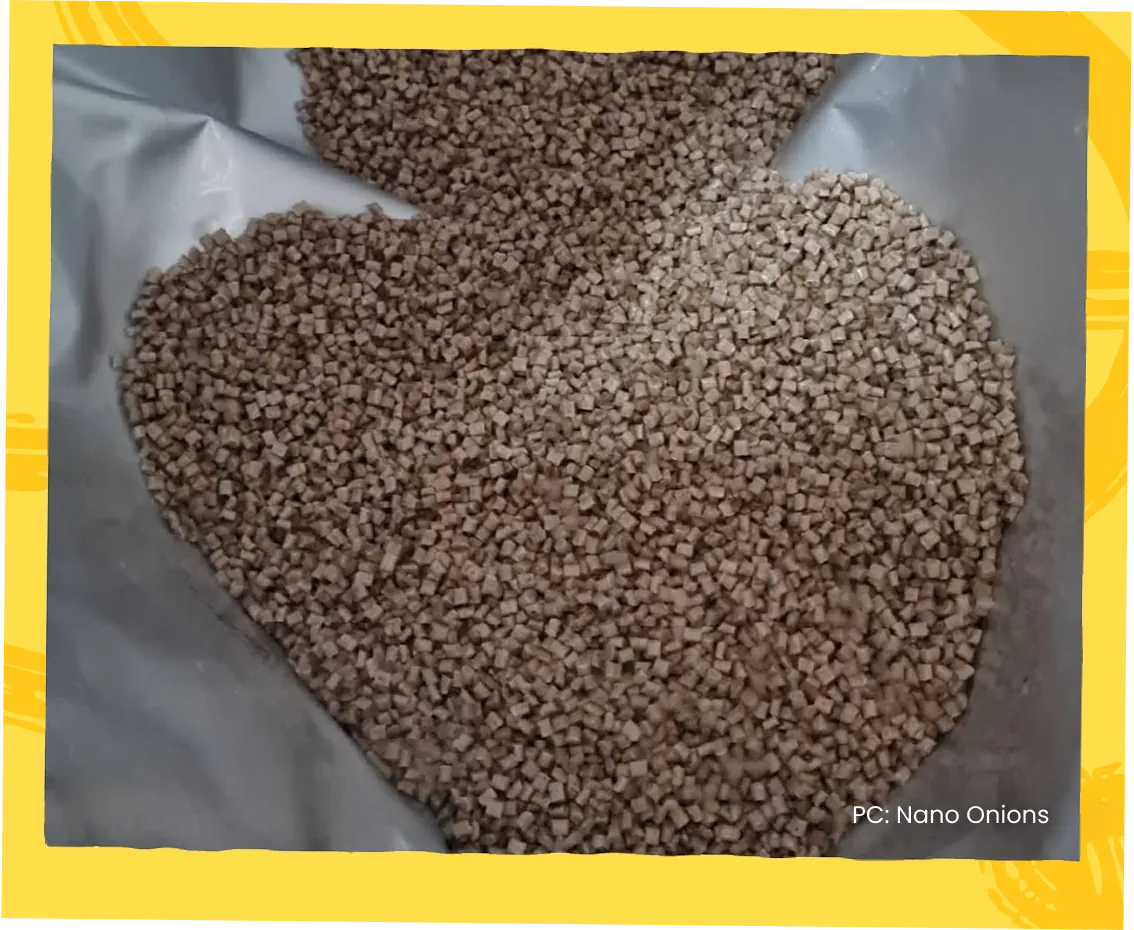
- Seaweed-based biomaterial — Nano Onions. Thailand. Stage: Pilot. Areas of work: Markets & Finance.
Connections shown on this map:
- Mapping Connectivity of Coral Reefs and Coral Conservation & Marine Science: Collaborating on Coral Connectivity Project.
- Circular Economy Technology and Seaweed-based biomaterial: Incubated from ECCA-funded project – The Incubation Network.
- 30x30 Thailand Coalition and Precious Plastic: Partner with.
- 30x30 Thailand Coalition and Sea Guardians: Partner with.
- 30x30 Thailand Coalition and Net Free Seas: Partner with.
- 30x30 Thailand Coalition and Grow CF (in Regenerative Landscapes): Partner with.
- 30x30 Thailand Coalition and Mangroves, Forests, Climate and Livelihoods Program (in Regenerative Landscapes): Partner with.
- 30x30 Thailand Coalition and FLF349 - Forest Restoration through Agroecology (in Regenerative Landscapes): Partner with.
- 30x30 Thailand Coalition and Nature Alliance (Thailand): Invested for.
Explore ECCAsystem in an interactive map >
These aren’t separate issues. They are the same question, asked from different angles.
In this part of the portfolio, we support partners working on the enabling conditions:
land tenure and governance, community forestry, regenerative practice, and the policy and finance levers that make sustainable land use viable.
What we have learned is that rights and knowledge rarely travel alone. When communities gain secure tenure and the capacity to steward their land, the benefits move outward - from household livelihoods to watershed health to ecosystem resilience, and sometimes faster than anyone expected.
Explore ECCAsystem in an interactive map >


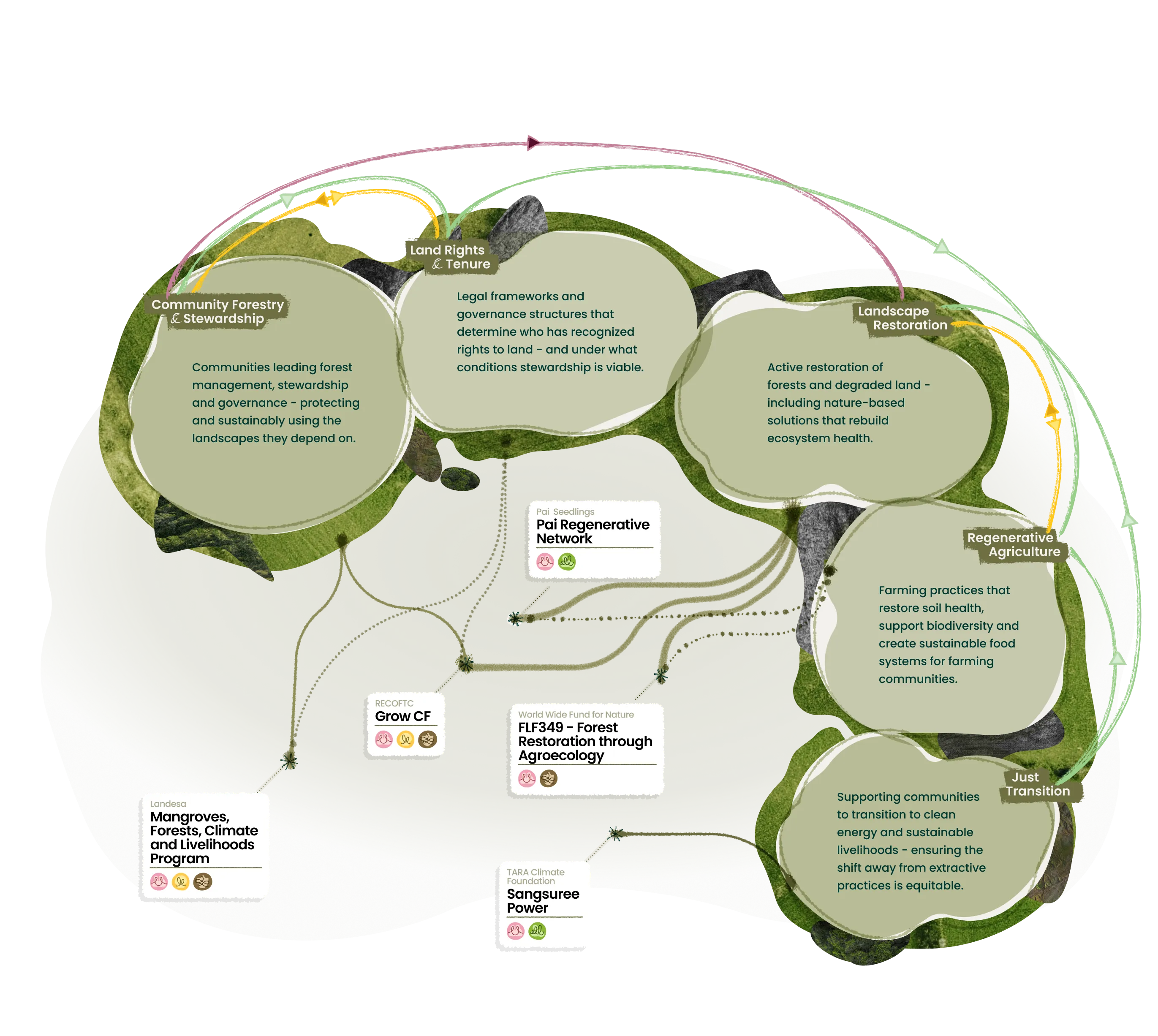
Regenerative Landscapes — the 5 partner projects shown on this map:
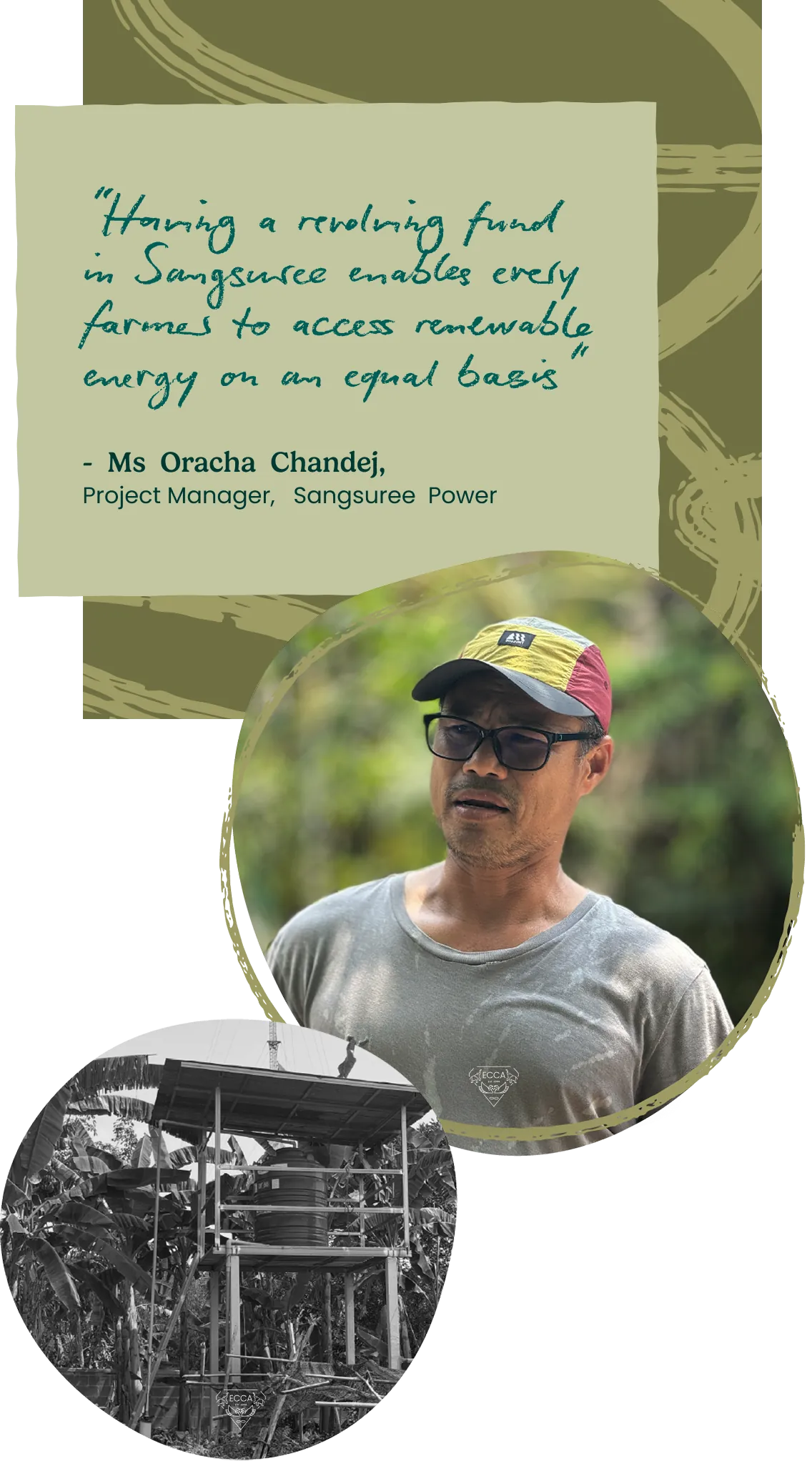
- Sangsuree Power — Tara Climate Foundation. Thailand. Stage: Pilot. Areas of work: Frontline & Communities; Markets & Finance.
- FLF349 - Forest Restoration through Agroecology — World Wide Fund for Nature. Thailand. Stage: Build. Areas of work: Frontline & Communities; Network & Policy.
- Pai Regenerative Network — Pai Seedlings. Thailand. Stage: Validate. Areas of work: Frontline & Communities; Markets & Finance.
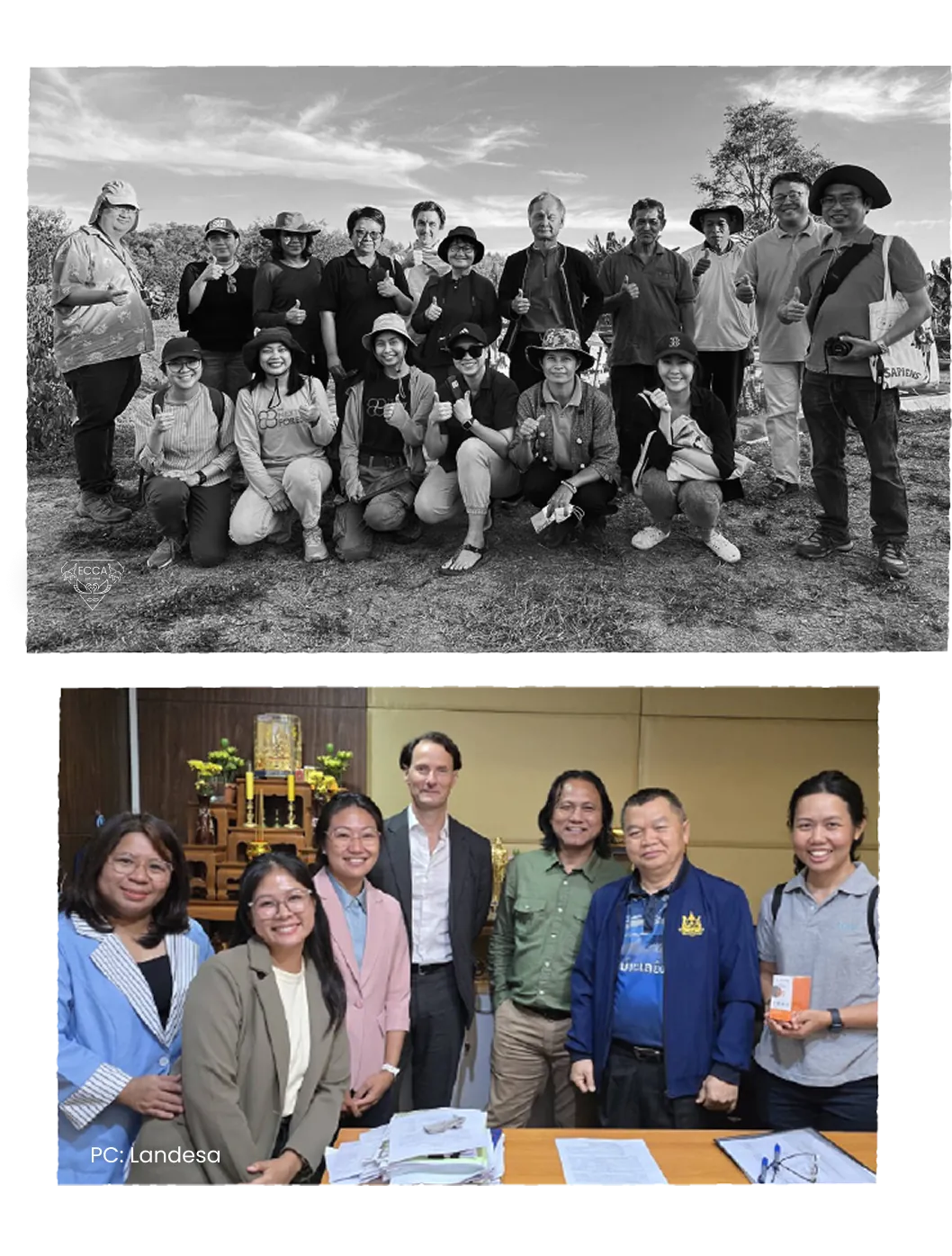
- Mangroves, Forests, Climate and Livelihoods Program — Landesa. Thailand. Stage: Build. Areas of work: Frontline & Communities; Science & Evidence; Network & Policy.
- Grow CF — RECOFTC. Thailand. Stage: Build. Areas of work: Frontline & Communities; Science & Evidence; Network & Policy.
Connections shown on this map:
- Grow CF and Mangroves, Forests, Climate and Livelihoods Program: Win-Win Partnership.
- Pai Regenerative Network and Navigating Emotions (in Inclusive Communities): Learning Journey.
- 30x30 Thailand Coalition and Grow CF (in Healthy Oceans): Partner with.
- 30x30 Thailand Coalition and Mangroves, Forests, Climate and Livelihoods Program (in Healthy Oceans): Partner with.
- 30x30 Thailand Coalition and FLF349 - Forest Restoration through Agroecology (in Healthy Oceans): Partner with.
- Grow CF and Nature Alliance (Thailand): Invested for.
- FLF349 - Forest Restoration through Agroecology and Nature Alliance (Thailand): Invested for.
Explore ECCAsystem in an interactive map >
We don’t see it that way.
Whether communities can sustain decent livelihoods shapes almost every other outcome we care about. It determines whether people can afford to refuse harmful work. Whether families have enough stability to participate in collective solutions. Whether protection from exploitation is a real option or just a principle on paper.
Across this part of the portfolio, our partners work on livelihoods, skills, access to services, and protection - often alongside people navigating structural exclusion, constrained mobility, or precarious legal status. People for whom the margin between viable and not is very thin.
This isn’t downstream work. It is preventative. Reduce the pressures that make exploitation possible, and you change what communities are able to build.
Explore ECCAsystem in an interactive map >


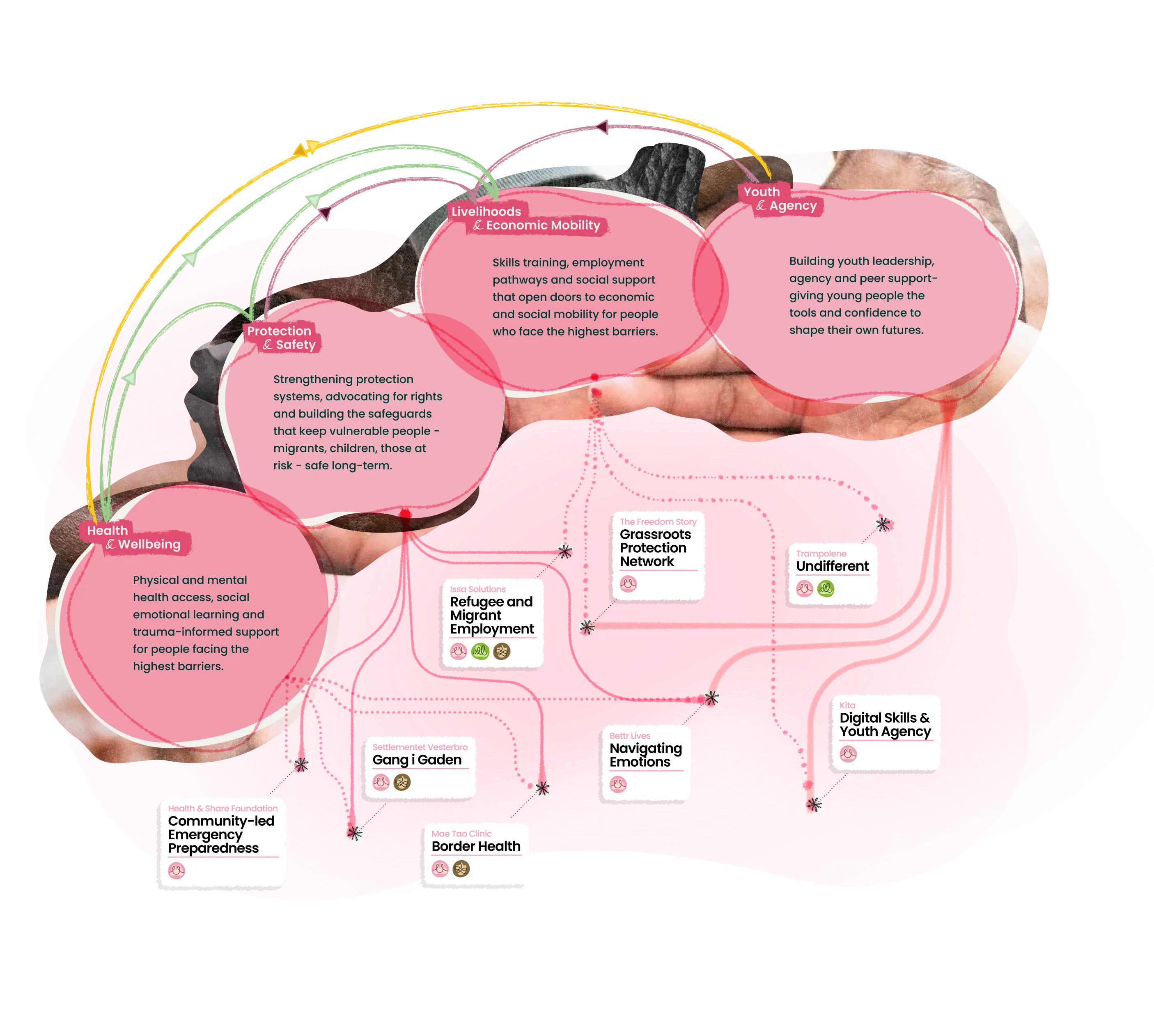
Inclusive Communities — the 8 partner projects shown on this map:
- Navigating Emotions — Bettr Lives. Singapore. Stage: Validate. Areas of work: Frontline & Communities.
- Digital Skills & Youth Agency — Kita. Singapore. Stage: Pilot. Areas of work: Frontline & Communities.
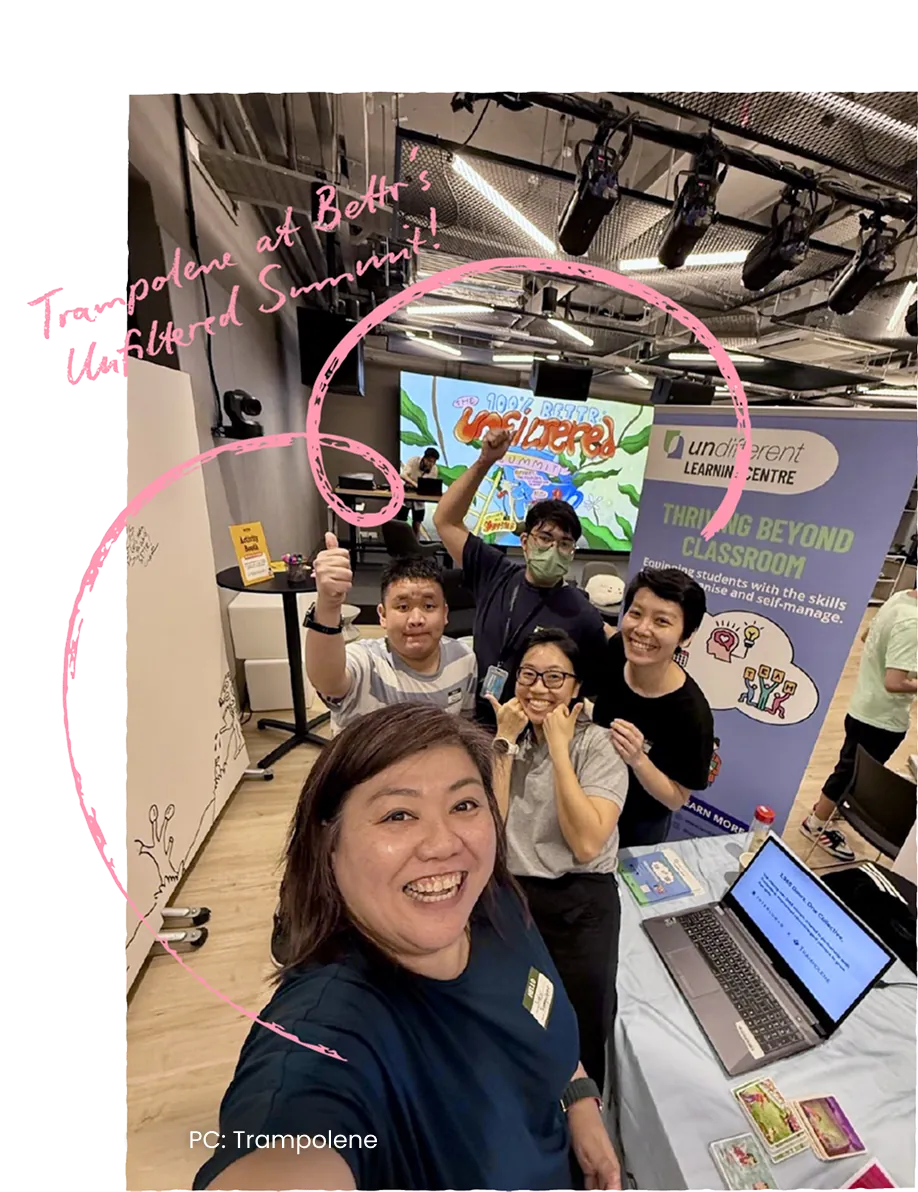
- Undifferent — Trampolene. Singapore. Stage: Validate. Areas of work: Frontline & Communities; Markets & Finance.
- Grassroots Protection Network — The Freedom Story. Thailand. Stage: Build. Areas of work: Frontline & Communities.
- Border Health — Mae Tao Clinic. Thailand. Stage: Build. Areas of work: Frontline & Communities; Network & Policy.
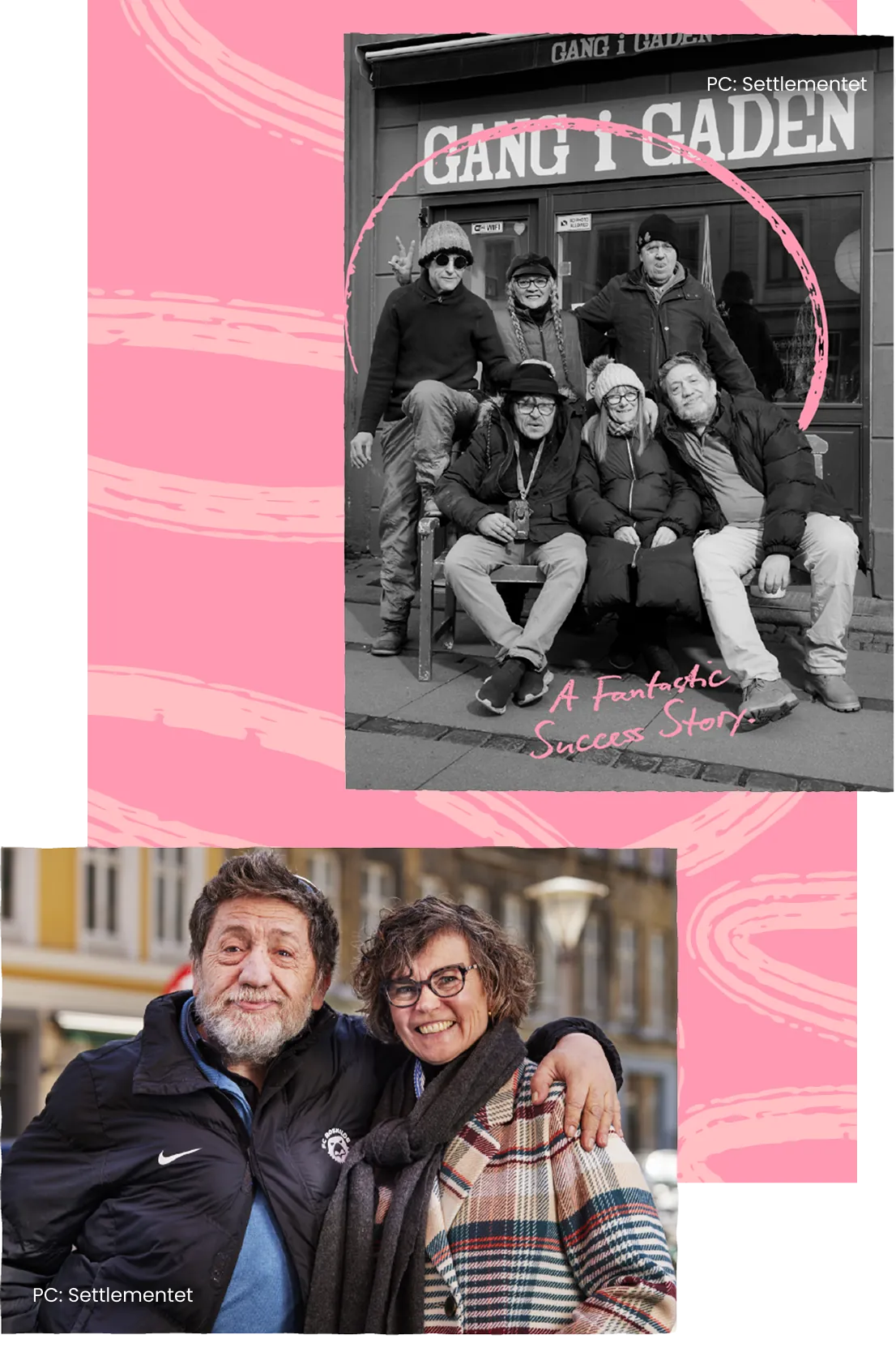
- Gang i Gaden — Settlementet Vesterbro. Denmark. Stage: Build. Areas of work: Frontline & Communities; Network & Policy.
- Refugee and Migrant Employment — Issa Solutions. Thailand. Stage: Pilot. Areas of work: Frontline & Communities; Markets & Finance; Network & Policy.
- Community-led Emergency Preparedness — Health & Share Foundation. Thailand. Stage: Build. Areas of work: Frontline & Communities.
Connections shown on this map:
- Pai Regenerative Network and Navigating Emotions (in Regenerative Landscapes): Learning Journey.
- Navigating Emotions and Digital Skills & Youth Agency: Referral Network.
- Digital Skills & Youth Agency and Undifferent: Referral Network.
- Navigating Emotions and Undifferent: Referral Network.
Explore ECCAsystem in an interactive map >
Practices repeated long enough become beliefs - and beliefs become the baseline for what feels normal, what feels possible, and what feels allowed.
That is what makes cultural and narrative work something more than communications. It is the unseen infrastructure beneath civic space, public attention, and collective action.
Here we support partners creating and protecting platforms for expression, connection, and learning - particularly for communities whose voices are marginalized or actively suppressed.
The shift we look for isn’t measured in events and media produced. It shows up in what gets unlocked: new alliances forming, conversations reaching people and institutions they couldn’t before, and the quiet expansion of what it feels like possible to say out loud.
Explore ECCAsystem in an interactive map >



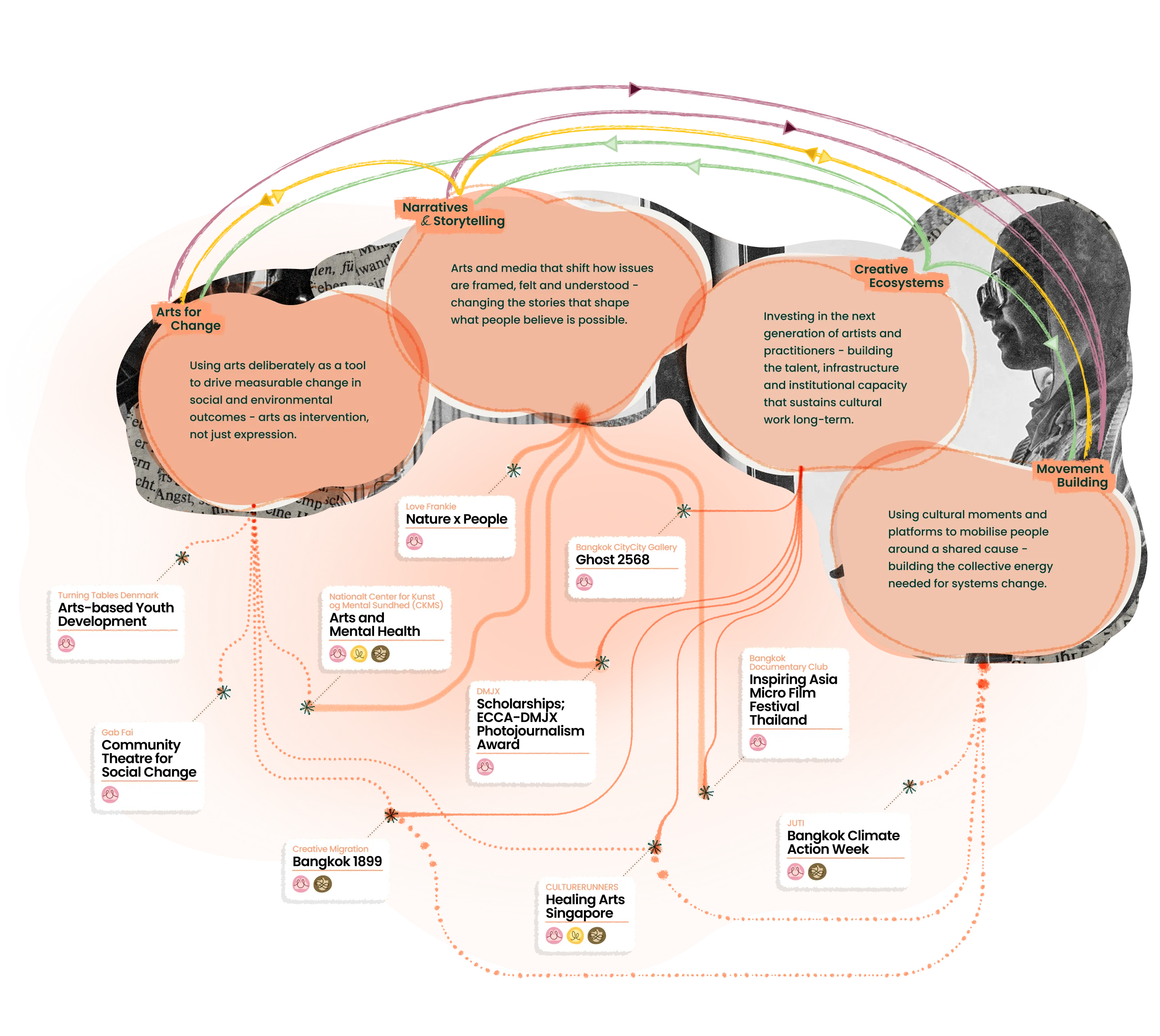
Cultural Narratives — the 10 partner projects shown on this map:
- Inspiring Asia Micro Film Festival Thailand — Bangkok Documentary Club. Thailand. Stage: Scale. Areas of work: Frontline & Communities.
- Healing Arts Singapore — CULTURERUNNERS. Singapore. Stage: Scale. Areas of work: Frontline & Communities; Science & Evidence; Network & Policy.
- Scholarships; ECCA-DMJX Photojournalism Award — DMJX. Denmark. Stage: Validate. Areas of work: Frontline & Communities.
- Community Theatre for Social Change — Gab Fai. Thailand. Stage: Build. Areas of work: Frontline & Communities.
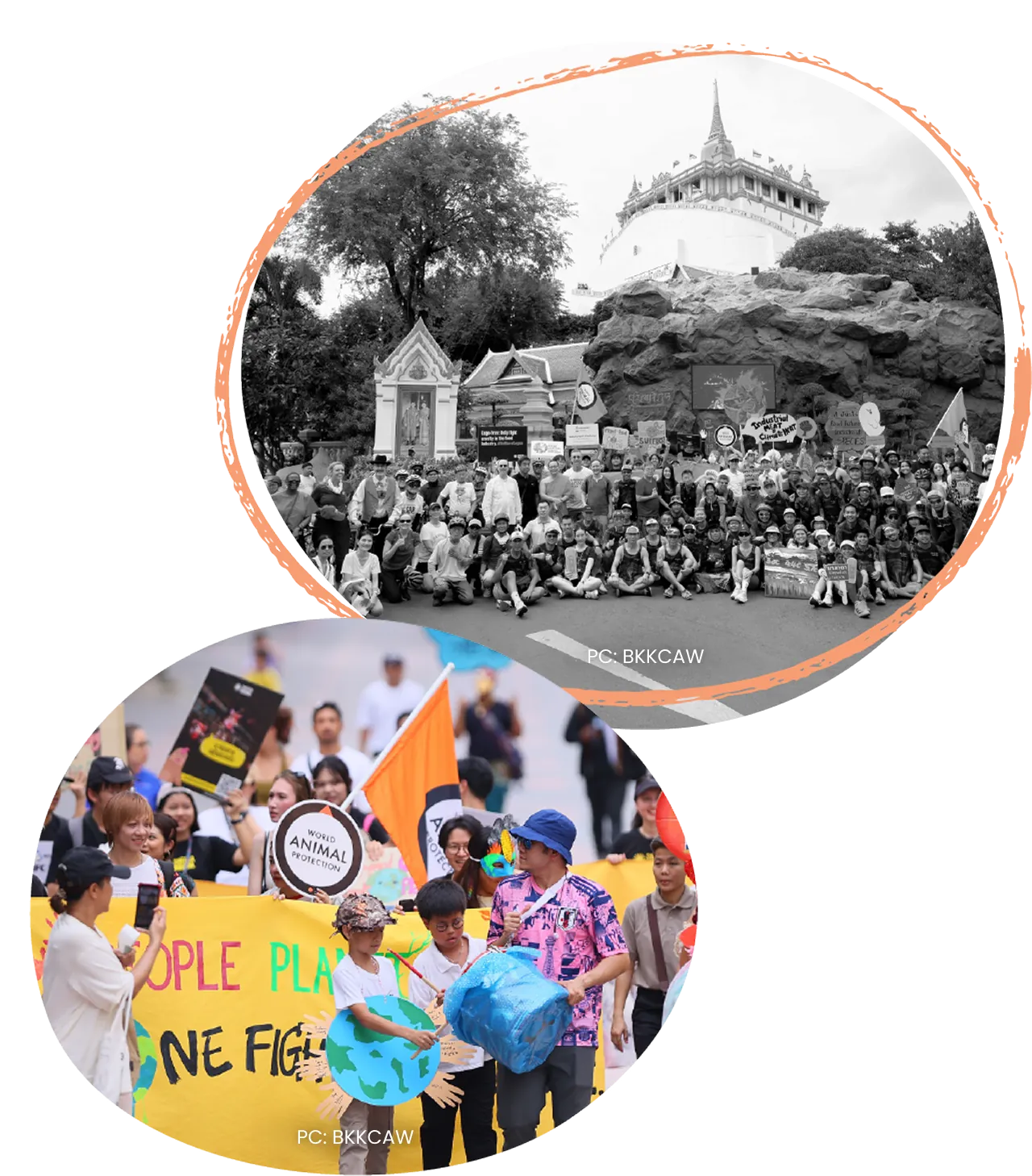
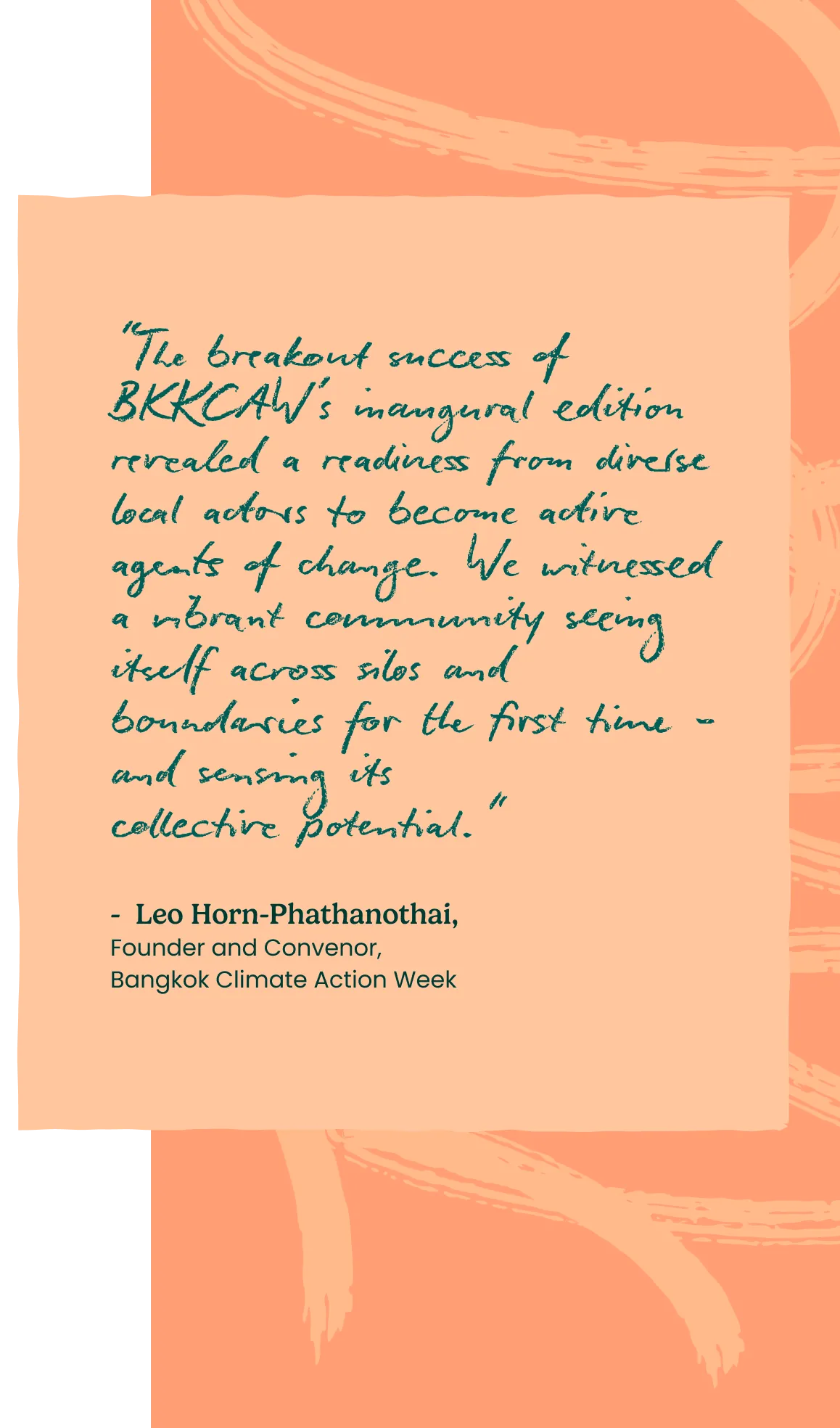
- Bangkok Climate Action Week — JUTI. Thailand. Stage: Pilot. Areas of work: Frontline & Communities; Network & Policy.
- Bangkok 1899 — Creative Migration. Thailand. Stage: Build. Areas of work: Frontline & Communities; Network & Policy.
- Nature x People — Love Frankie. Thailand. Stage: Pilot. Areas of work: Frontline & Communities.
- Ghost 2568 — Bangkok CityCity Gallery. Thailand. Stage: Build. Areas of work: Frontline & Communities.
- Arts and Mental Health — Nationalt Center for Kunst og Mental Sundhed (CKMS). Denmark. Stage: Scale. Areas of work: Frontline & Communities; Science & Evidence; Network & Policy.
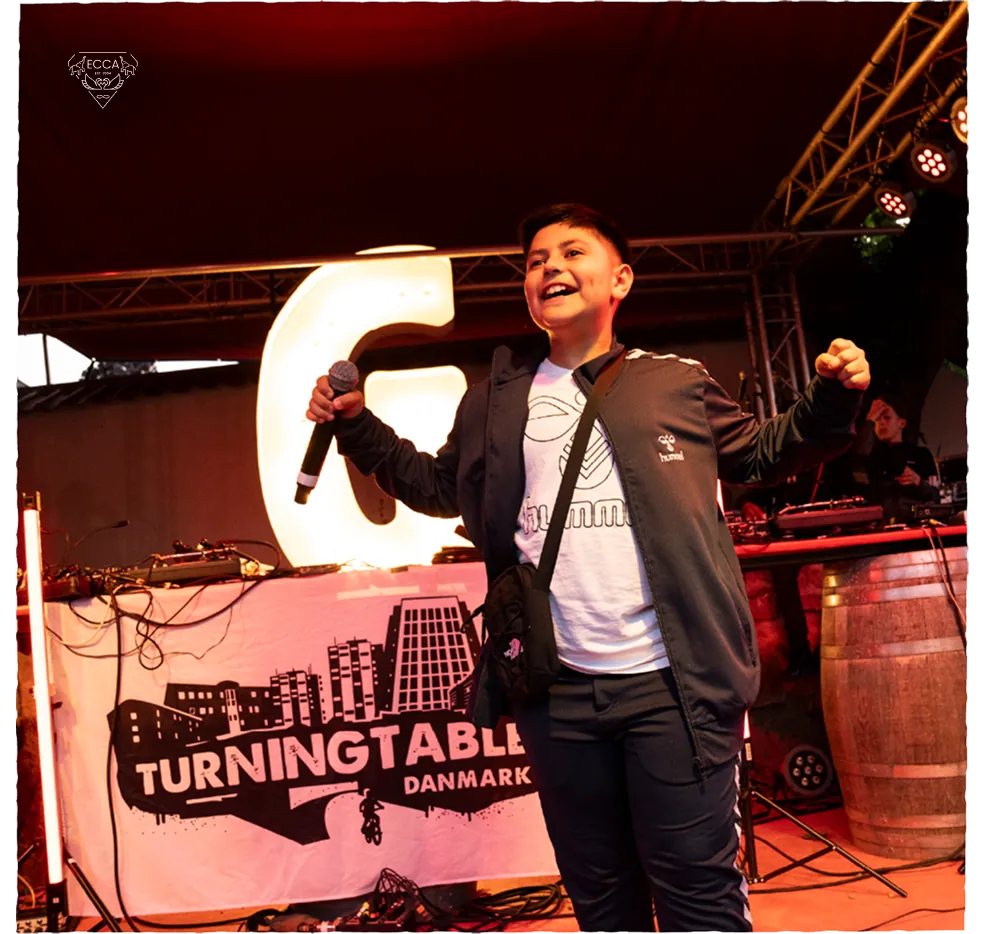
- Arts-based Youth Development — Turning Tables Denmark. Denmark. Stage: Scale. Areas of work: Frontline & Communities.
Connections shown on this map:
- Arts and Mental Health and Arts-based Youth Development: Featured on WHO policy brief.
- Bangkok Climate Action Week and Nature Alliance (Thailand): Invested for.
No System Moves Alone
There is a ripple effect. Coastal work connects to livelihoods. Livelihoods shape vulnerability. Vulnerability determines who has access to services and whose story gets told. And the stories that stick - the narratives that travel - influence behavior, policy, and where resources ultimately flow.
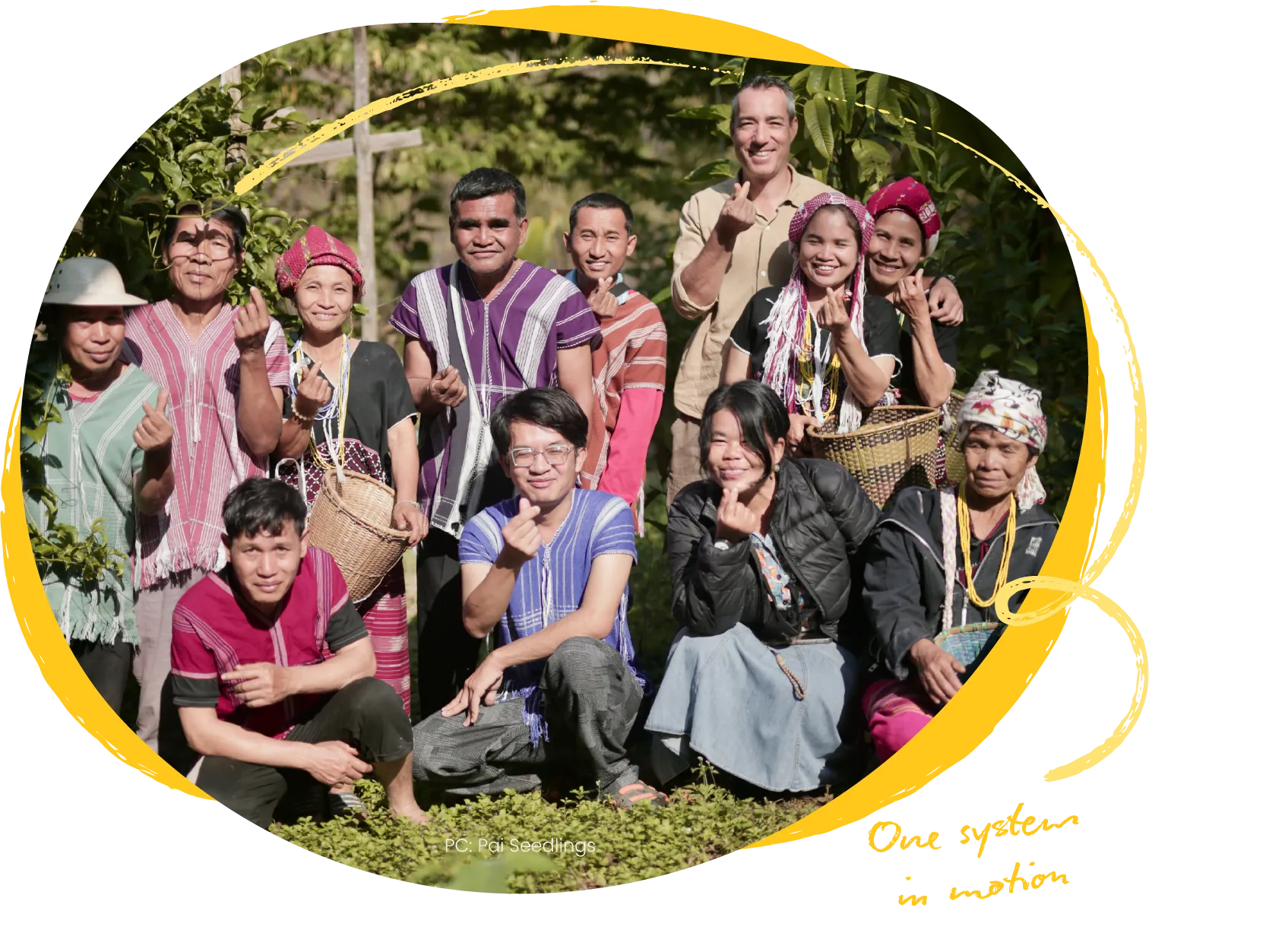
What we’re describing is not four separate areas of work. It’s one system in motion - where a shift in one place can strengthen or constrain what becomes possible somewhere else entirely.
We’re still learning how these connections form. But we do know they have the power to change the nature of the work itself.
It becomes more coherent. More durable. Its strength rooted not in any single organization, but in the interdependence between them.
is Shifting
The more time we spend close to a system, the more we start to see what it needs.
Over time, something else came into view: efforts that seemed separate until something linked them, patterns we hadn’t designed, connections we recognized only in hindsight.
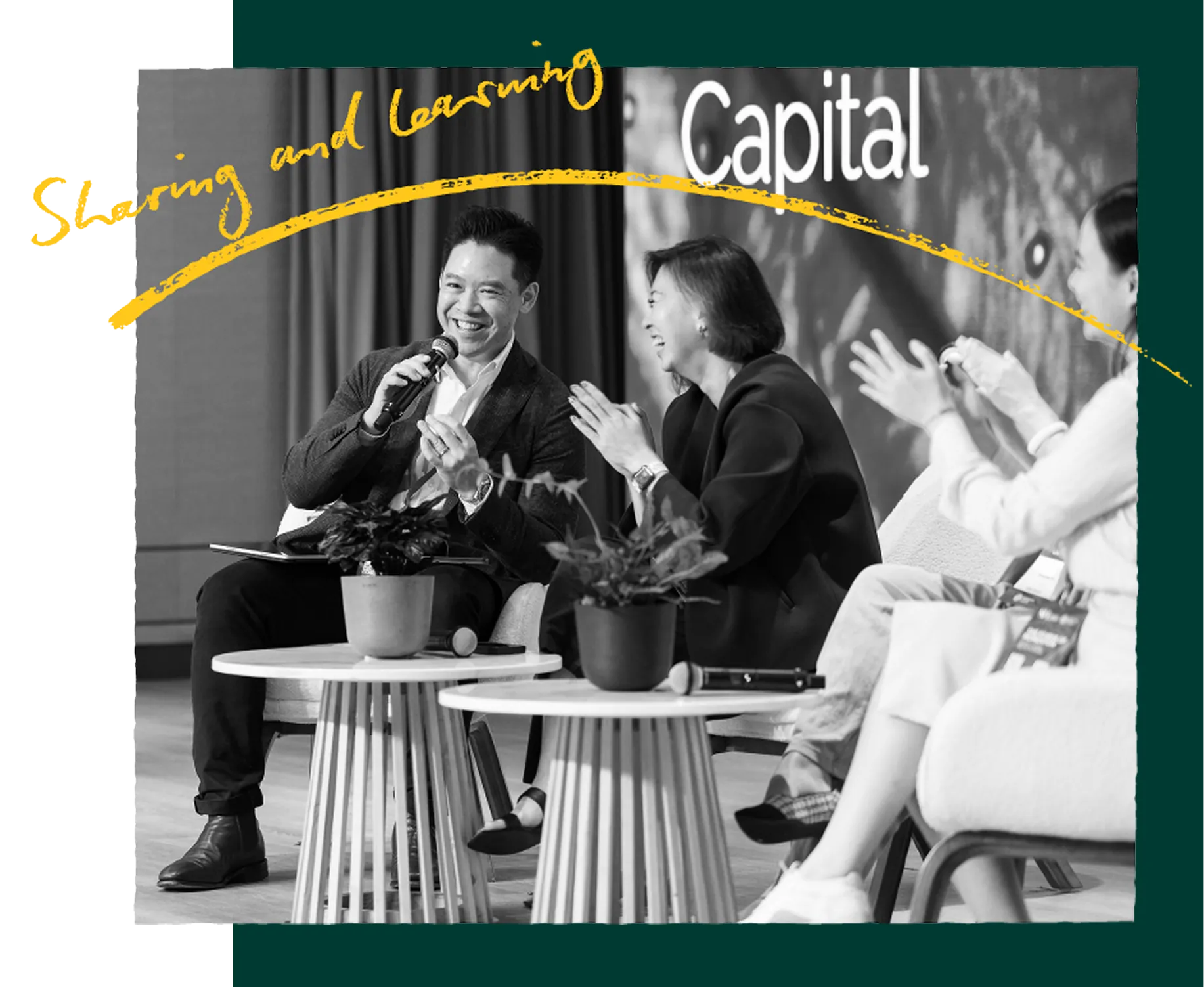
more deliberate about that.
Here’s how we have been showing up:

We work alongside funders with strong alignment - not just sharing costs but building something more coherent than any single funder could alone. Example: We participated in the 30x30 SEA Ocean Fund with 13 other funders, expanding support for ocean conservation beyond Thailand into the wider region.
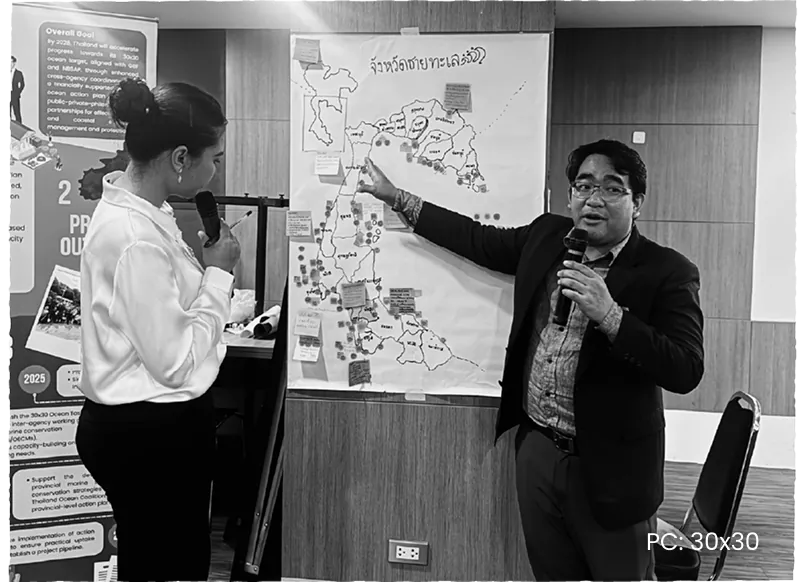
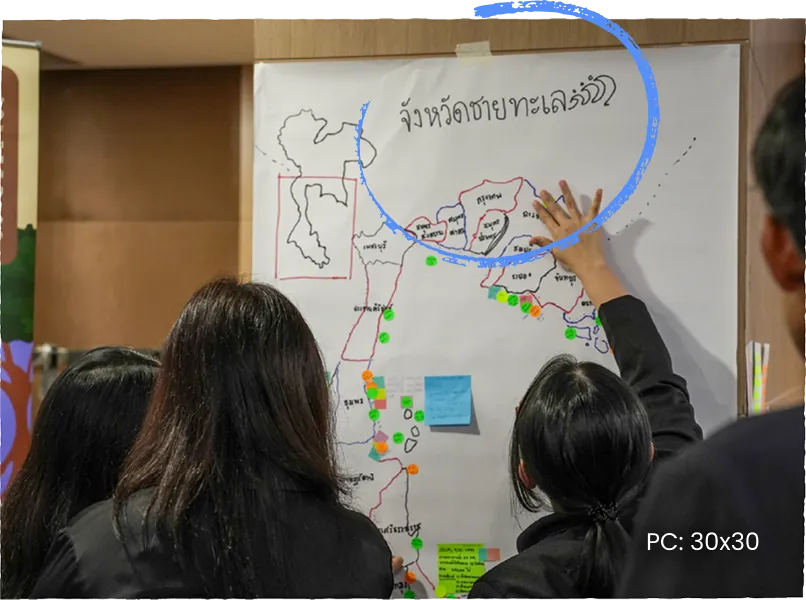
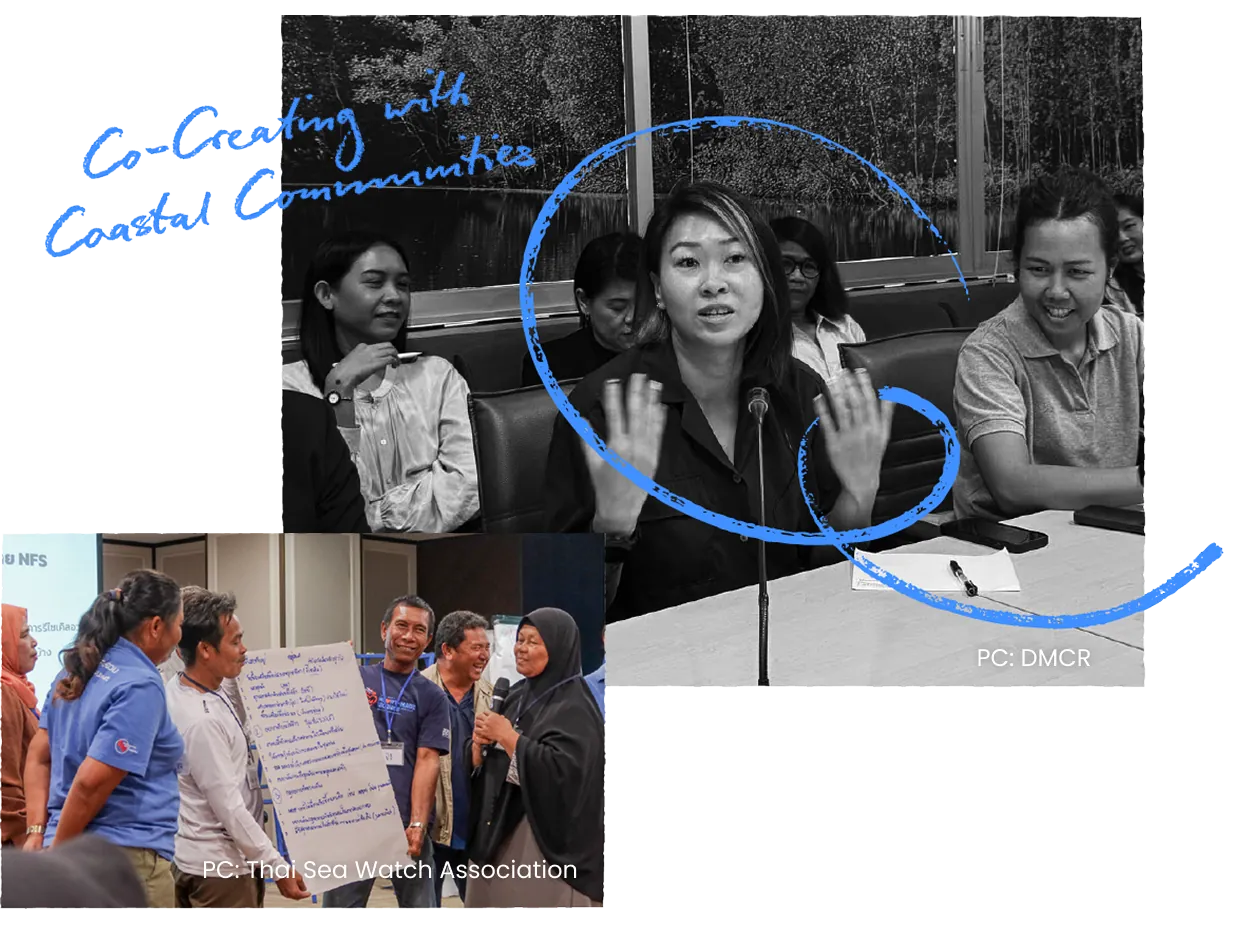
Public sector relationships take time - often with no immediate visible result. We invest in them anyway, knowing that when the right moment arrives, the groundwork needs to already be done. In 2025, this included funding and organizing a learning visit to the Philippines, bringing together officers from Thailand’s Department of Marine and Coastal Resources, Thai Sea Watch Association, and scientists - creating a shared experience across government, civil society, and research that no single partner could have convened alone.
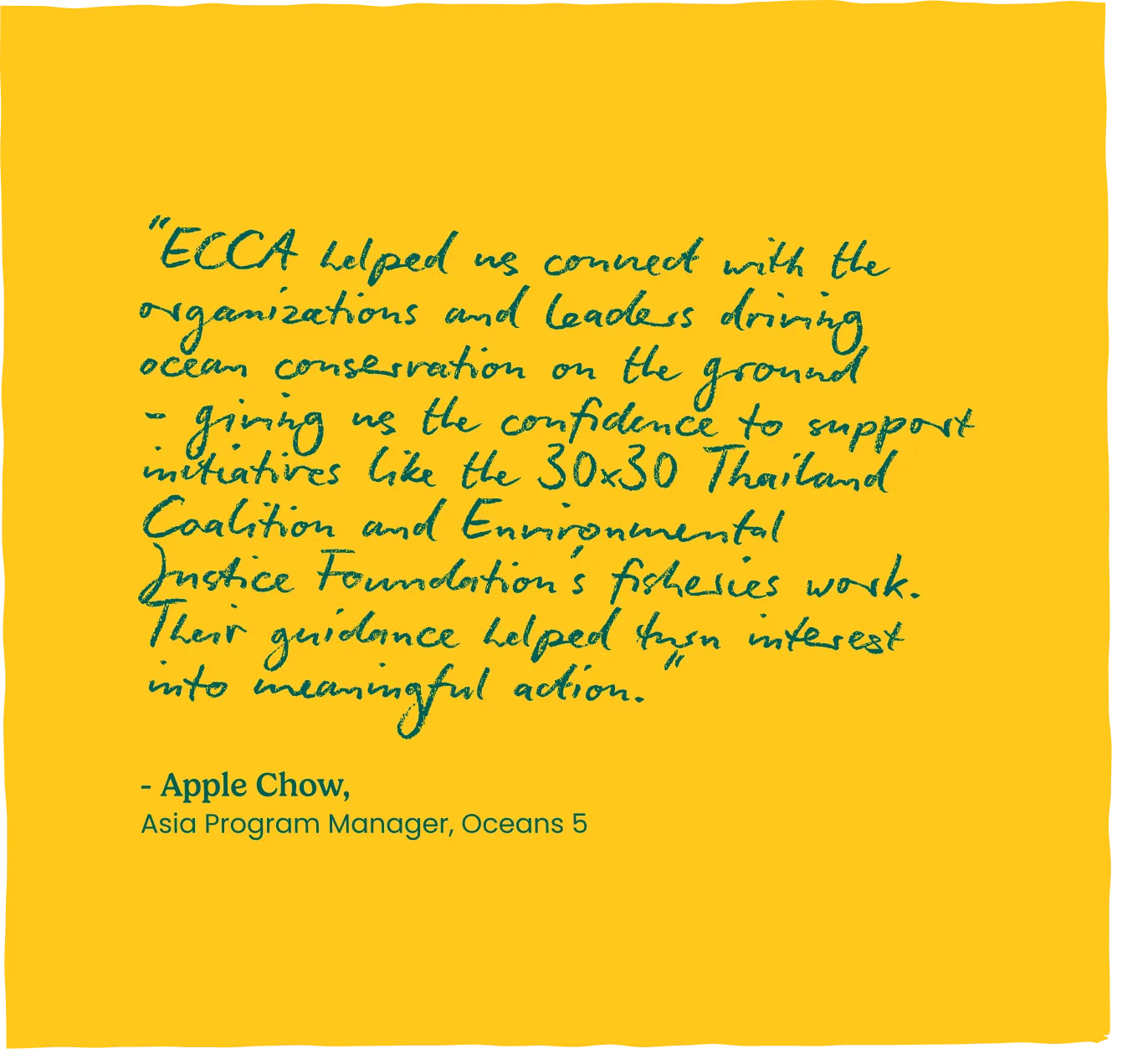
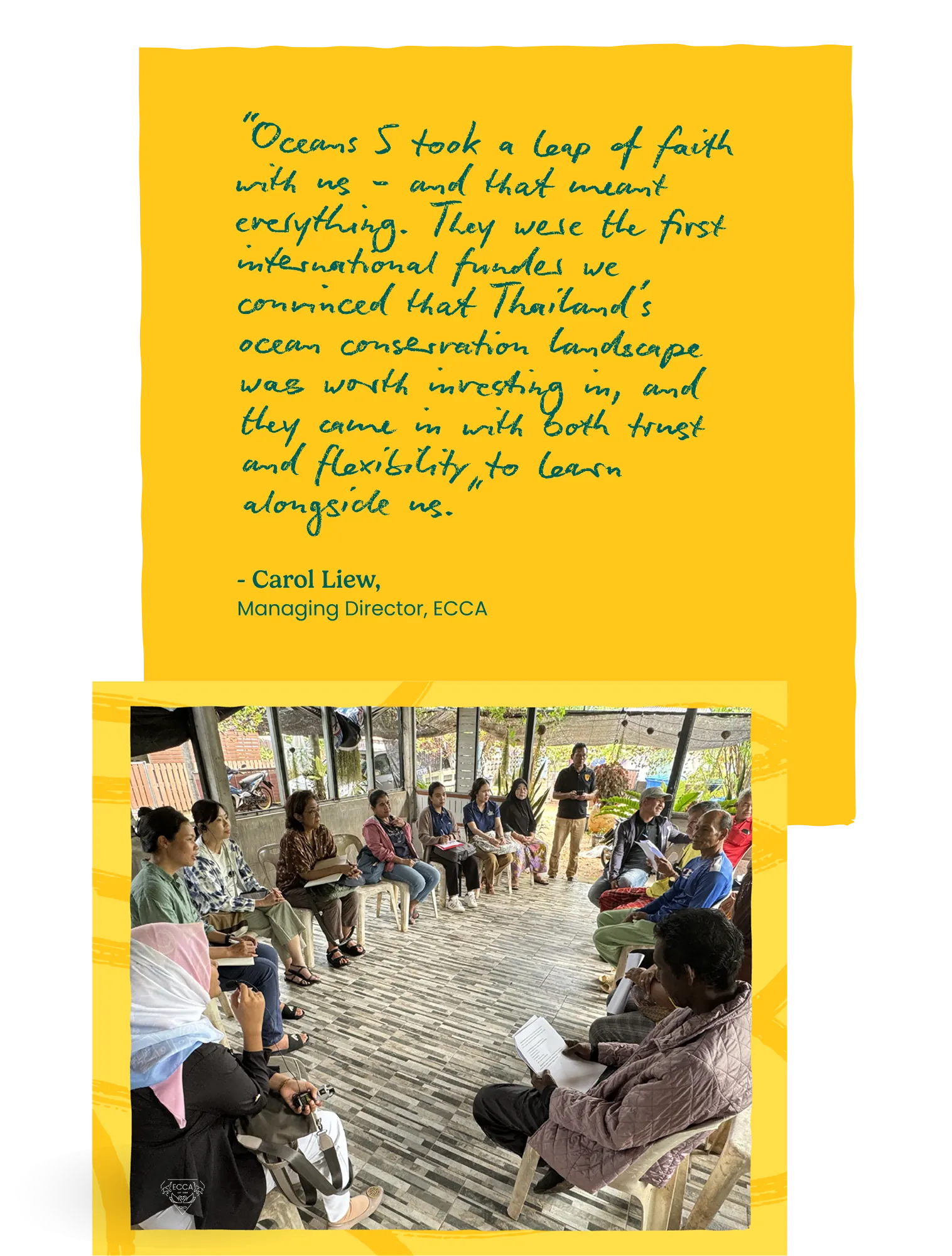
When an external funder wants to engage meaningfully in a landscape, they’re new to, local organizations shouldn’t have to spend their time translating it. We make introductions, share context, and help both sides find each other faster. See feature story: Brokering for Thailand.
Grant funding opens doors. Some constraints, however, require different tools. We layer support over time - grants, capacity building, and where appropriate, connections to impact-first capital - especially where commercial capital hasn’t yet arrived. See feature story: Fit-for-Purpose Capitol.
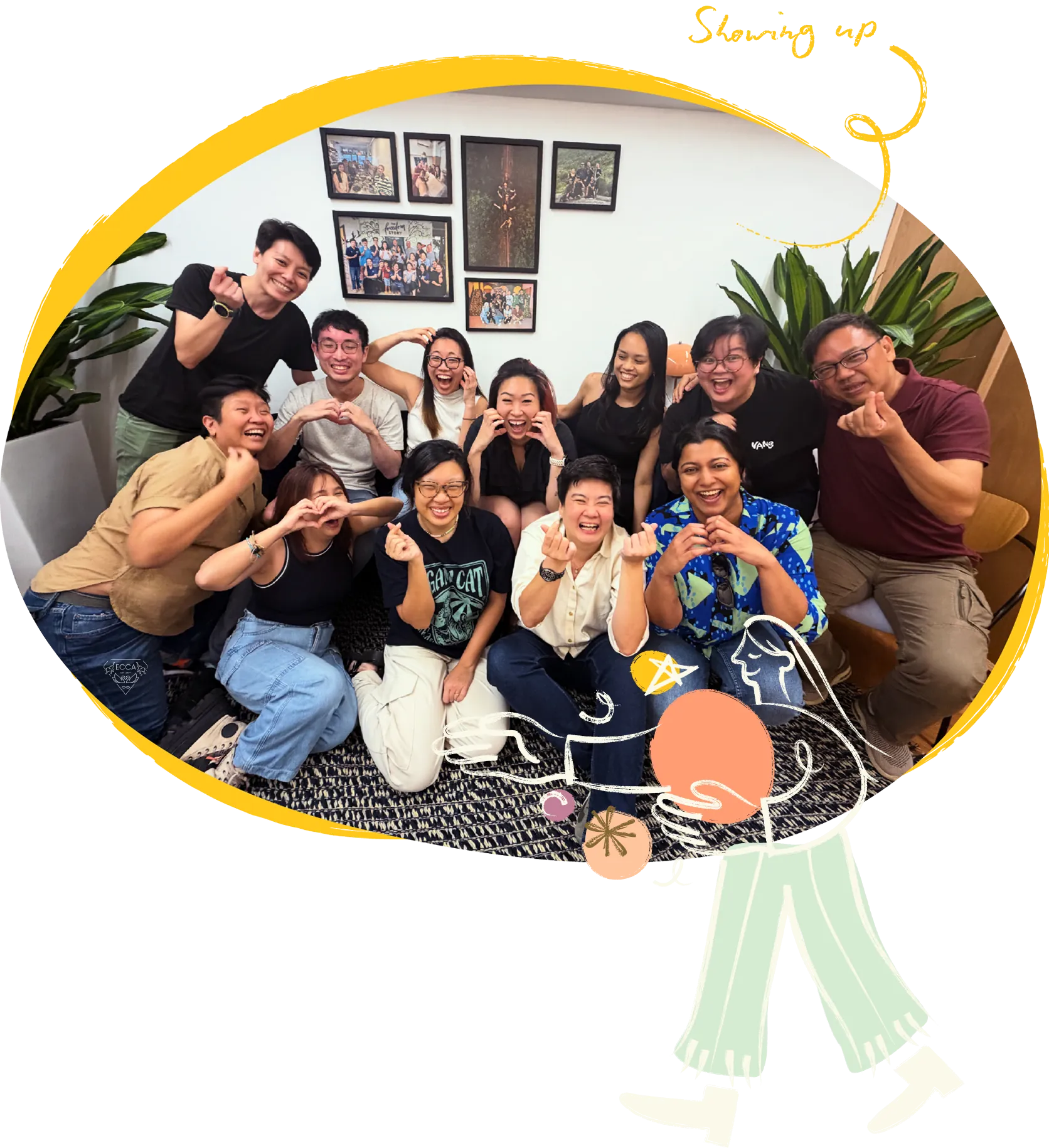
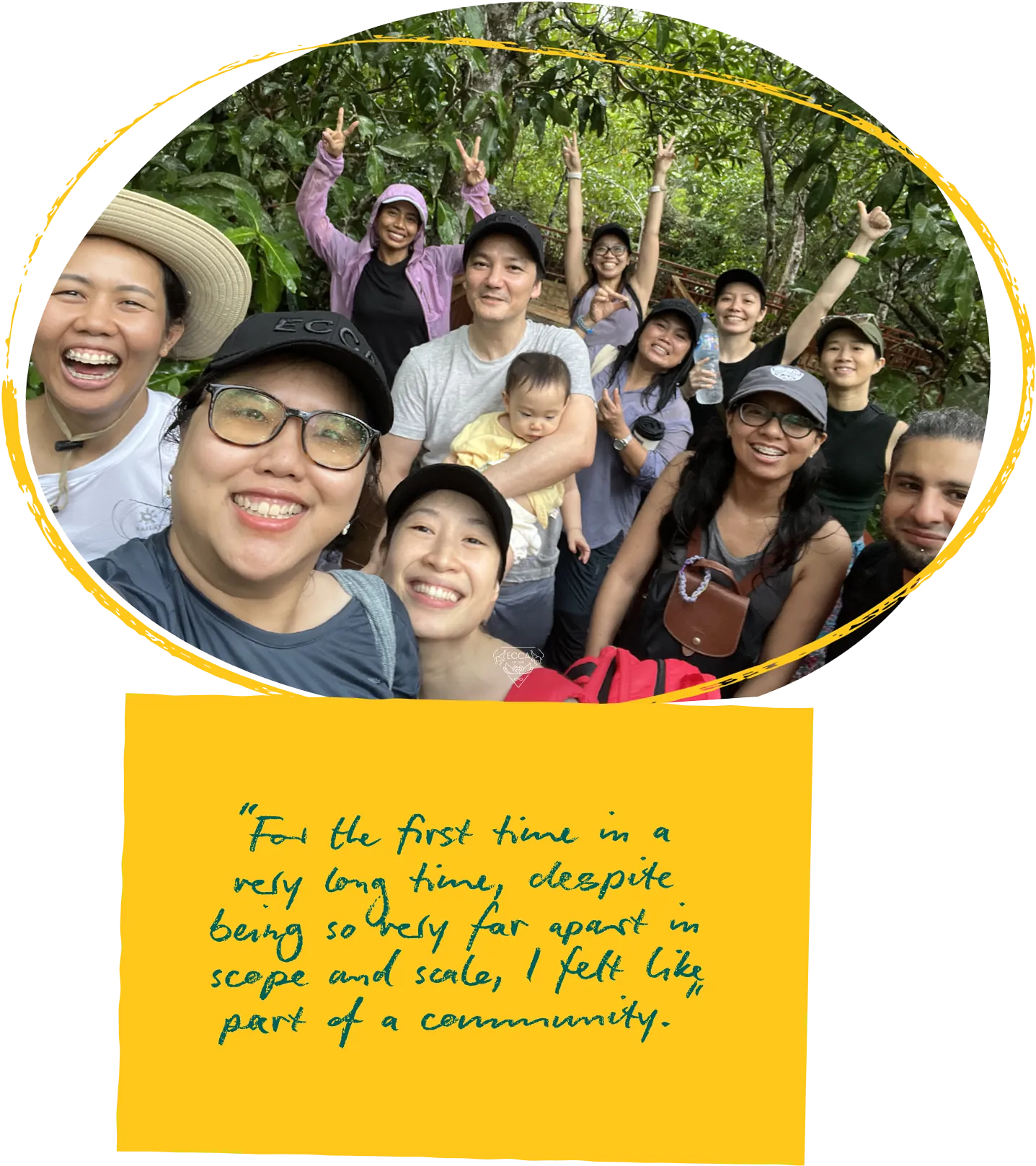
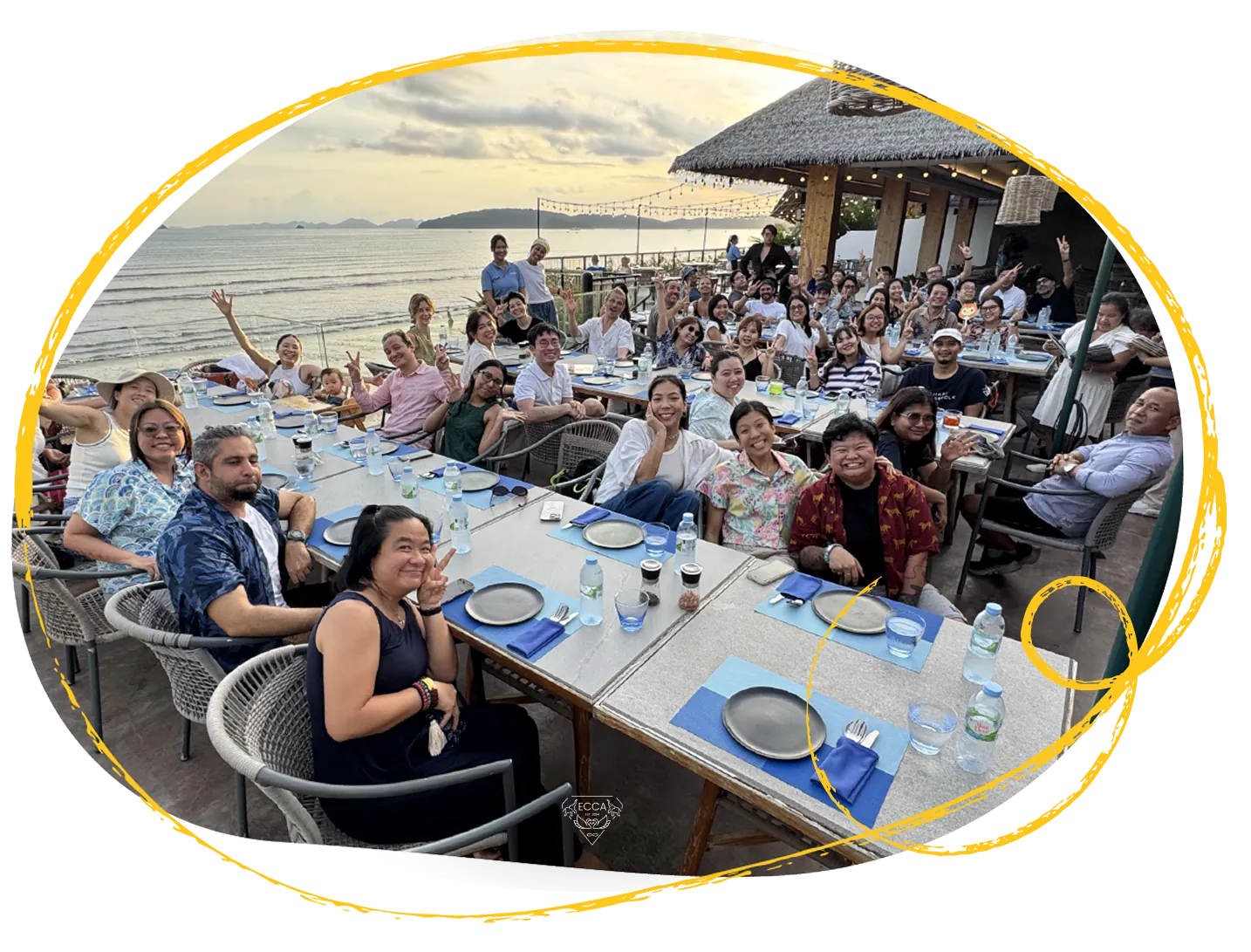
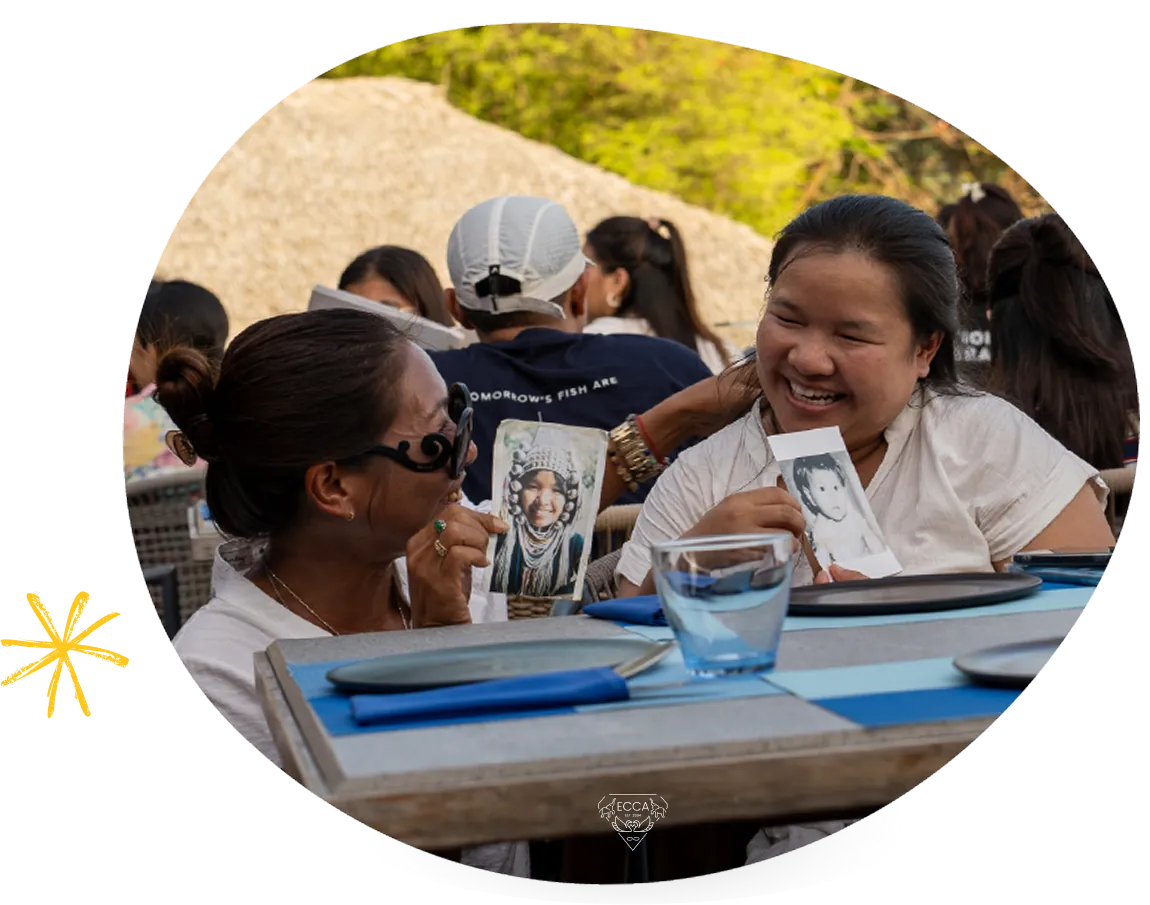
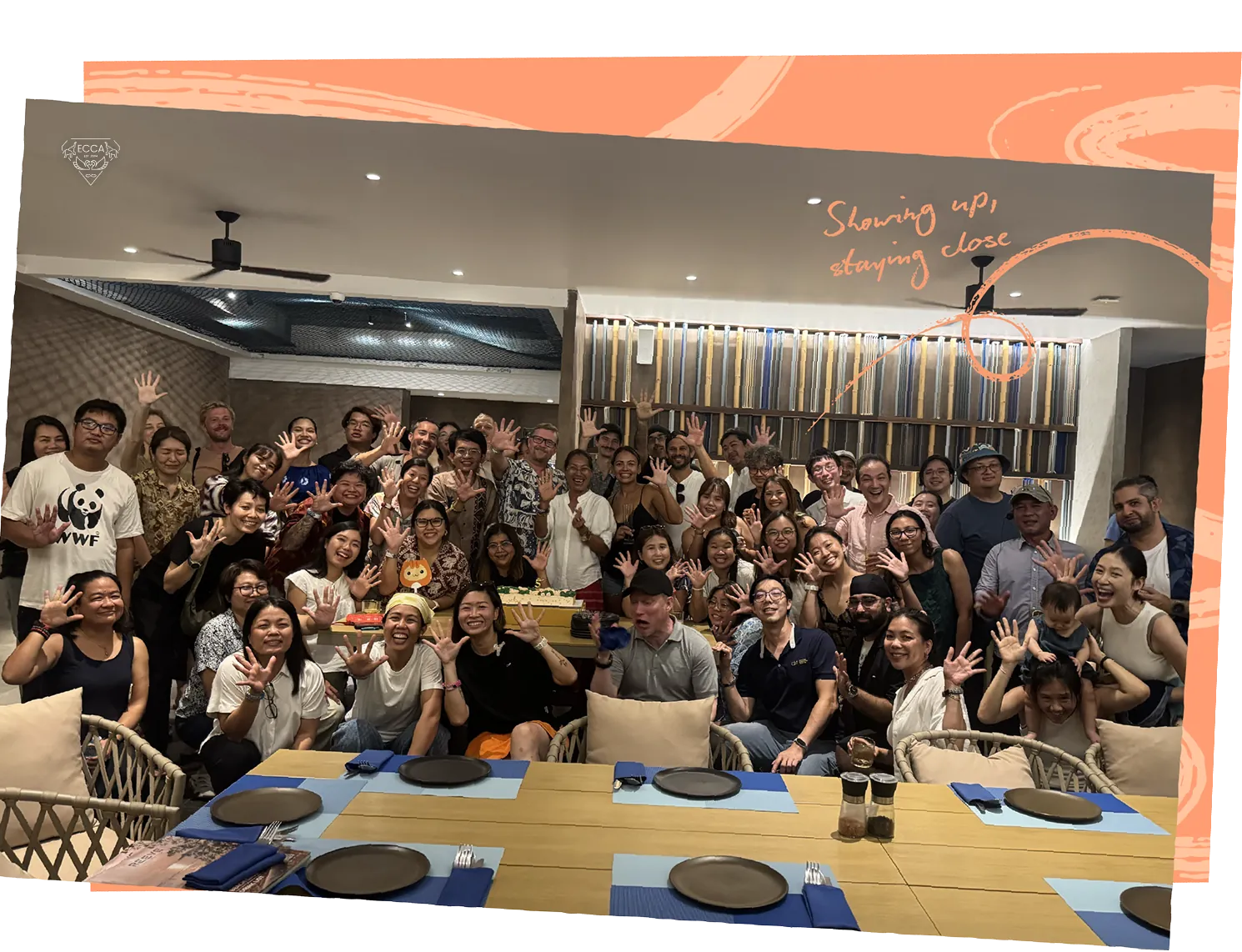
The connections that matter most aren’t made through formal introductions. They’re built over time, through shared experiences and genuine familiarity. In 2025, we brought 69 partners together for ECCA’s first Partners Retreat - creating the conditions for relationships that no grant agreement could engineer. See Feature Story: Building the In-between.



Cross-ecosystem connection emerging in 2025




Signals in Motion
- through the work of partners we already know well, and through connections that have yet to be anticipated.
What has changed is how we understand our place within it.
We started this work thinking we were here to support organizations. That is still true. We are also learning to pay attention to what becomes possible when the right pieces come together - and to play a more active role in helping them find each other.
The signals are small. A framework adopted by a government agency. A young person referred from one door to the next. A conversation in a corridor that crossed two continents.
All of it required showing up, consistently, over time. That is what we intend to keep doing.