


 GRANT
GRANTGang I Gaden
Gang i Gaden is Settlementet’s drop-in centre for people experiencing homelessness and vulnerability in Vesterbro – a place where anyone can walk in off the street, without an appointment or referral, and be met with respect, community, and practical support. ECCA is supporting Settlementet to extend Gang i Gaden’s opening hours and strengthen its capacity to respond to a rapidly growing number of users, ensuring that the most vulnerable people in Copenhagen still have somewhere to go.

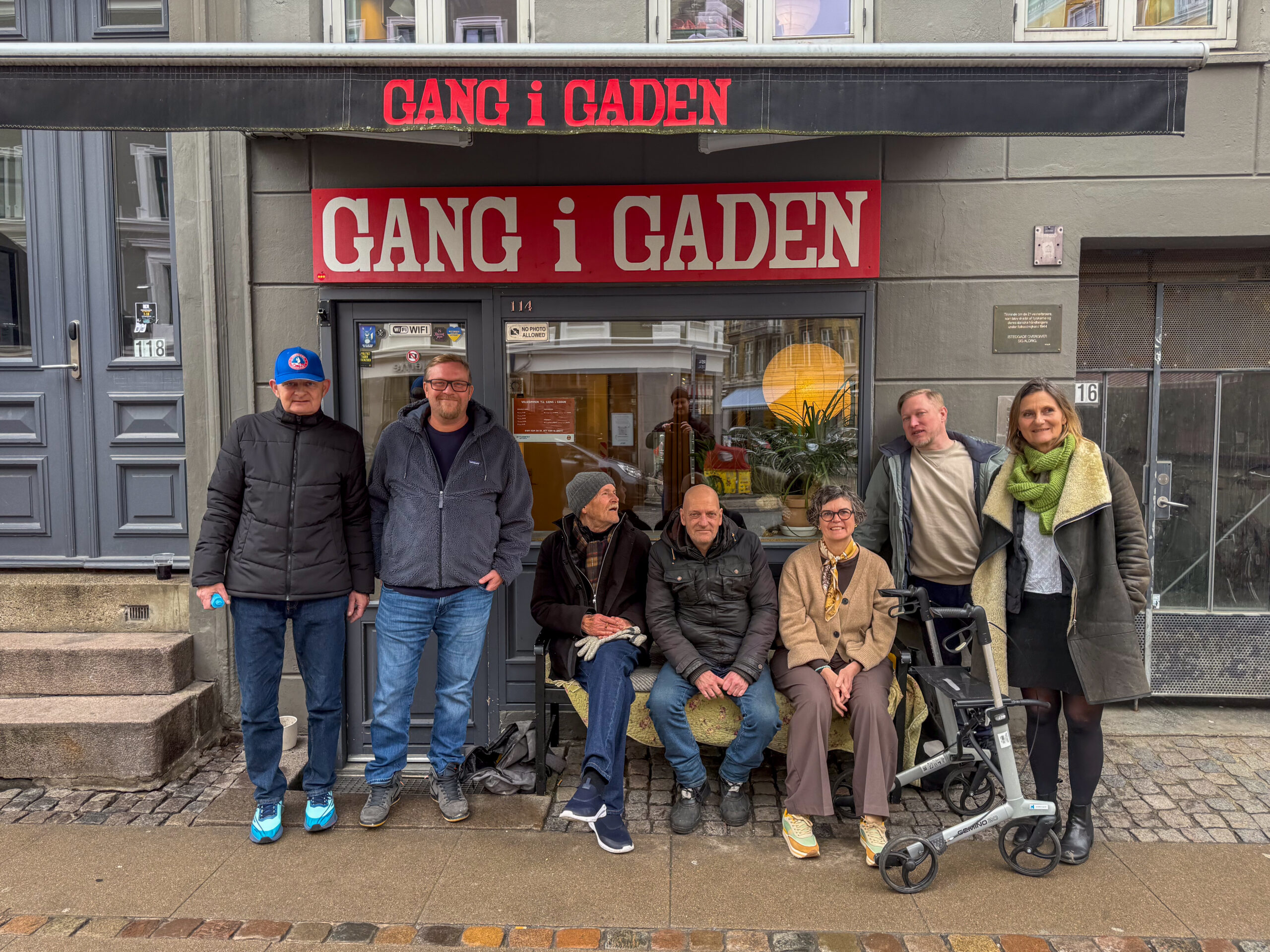 Photo by ECCAPhoto by ECCA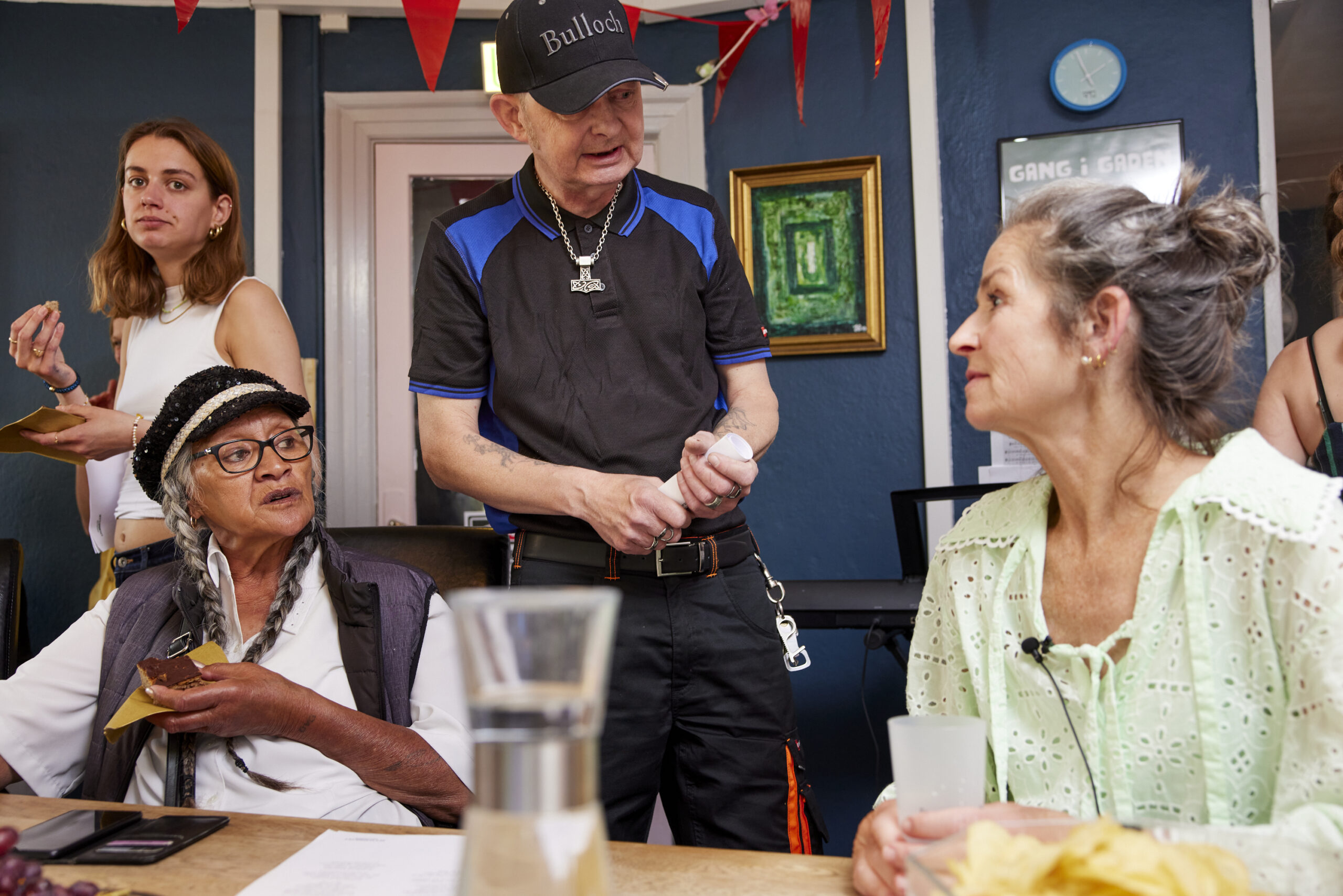
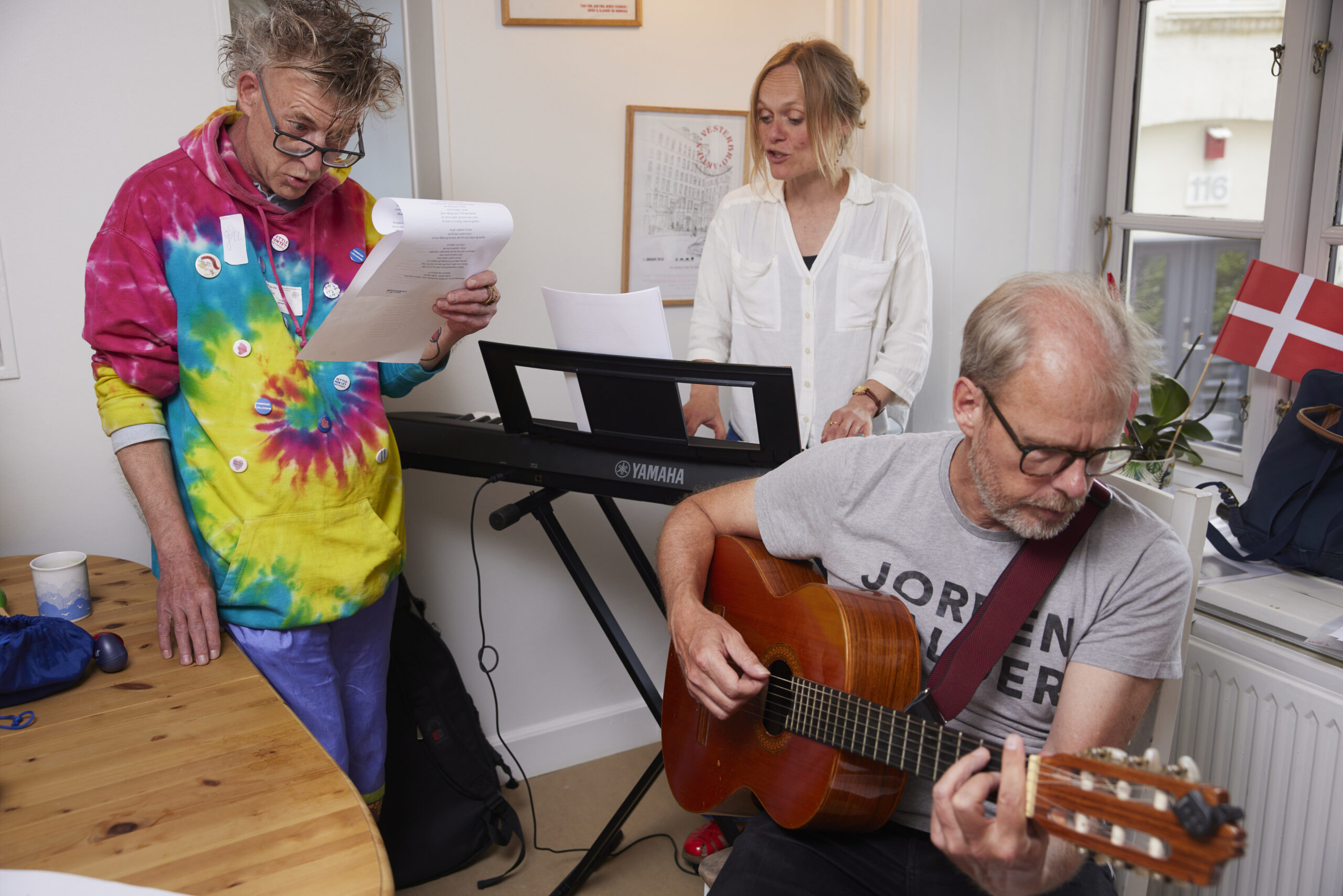

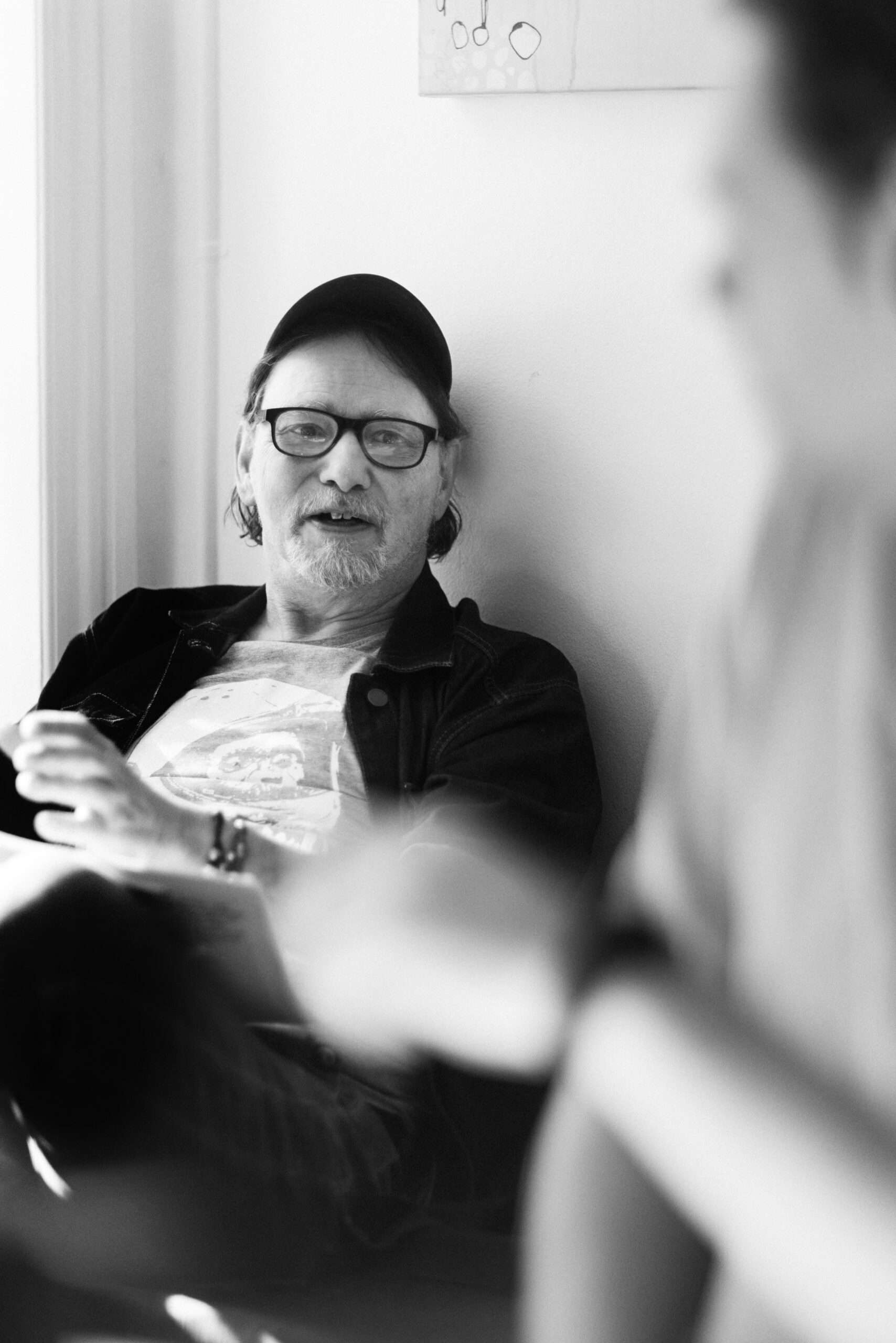
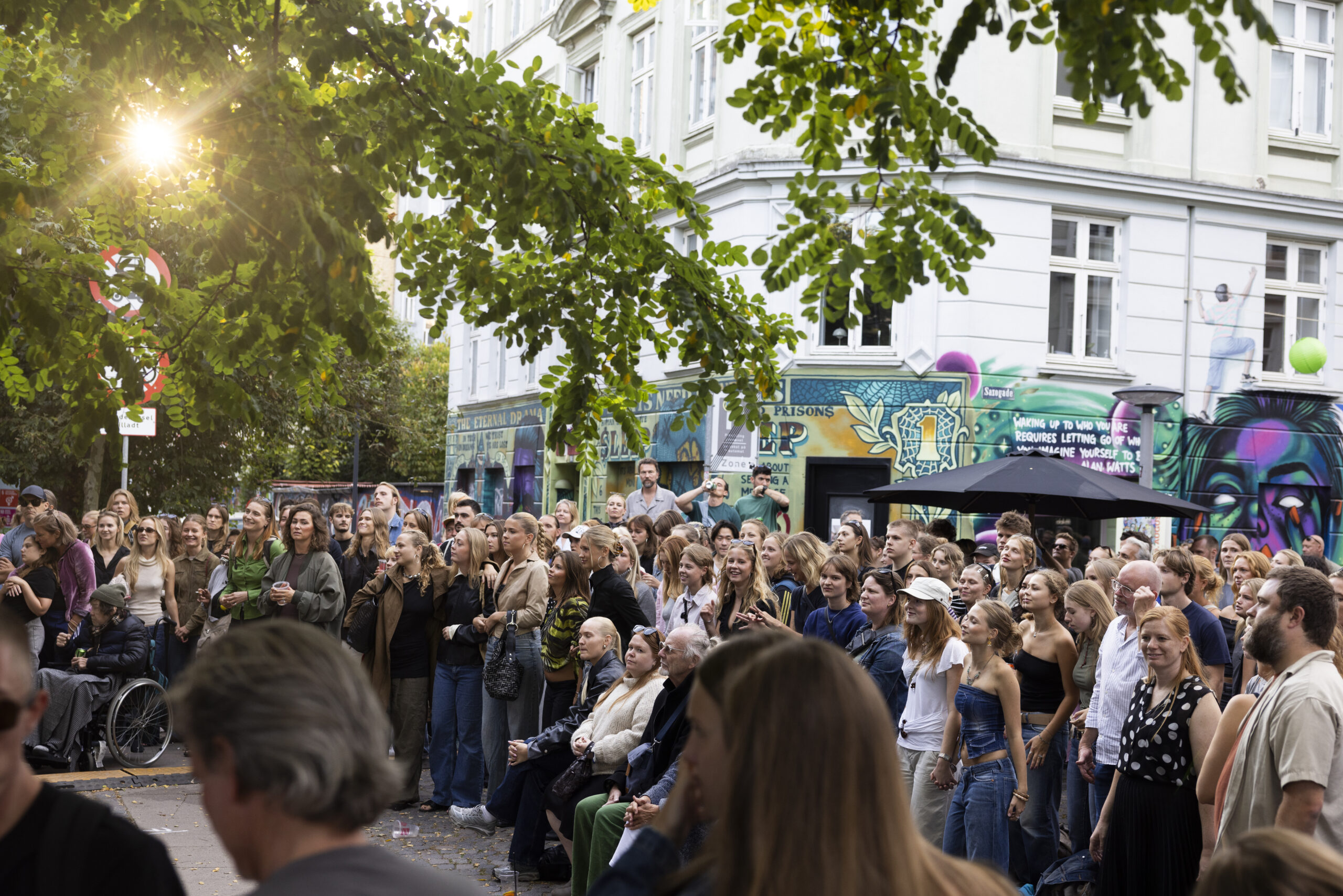 Photo by ECCAPhoto by ECCA
Challenge
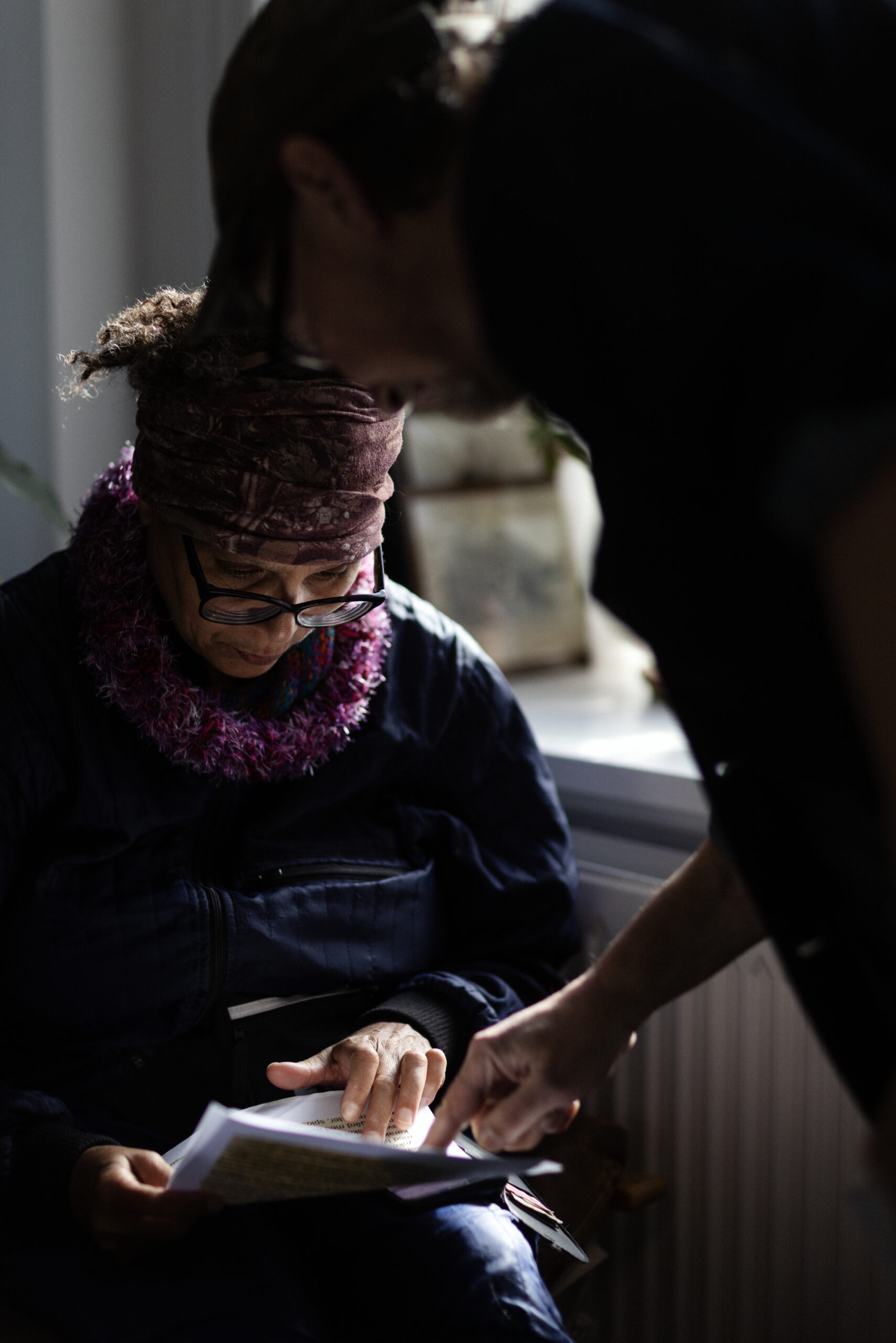 Photo by SettlementetPhoto by Settlementet
Gang i Gaden has seen a sharp rise in demand. In 2023, the centre supported close to 200 unique users. By the first quarter of 2025 alone, that figure had already reached 107. With a daily capacity of around 30 people, the centre regularly receives 40 or more users on several days each week.
The consequences are felt directly: less time with each person, fewer opportunities for individual counselling, and a higher level of conflict among users. Denmark’s 2024 homeless reform has deepened the pressure – more people are falling through the cracks of the system, without adequate support to access shelters or housing. At the same time, around half of Gang i Gaden’s users have psychiatric needs that go unmet elsewhere. The trust users place in the centre — bringing friends and acquaintances through its doors – is a testament to its impact, but it also stretches its capacity further.
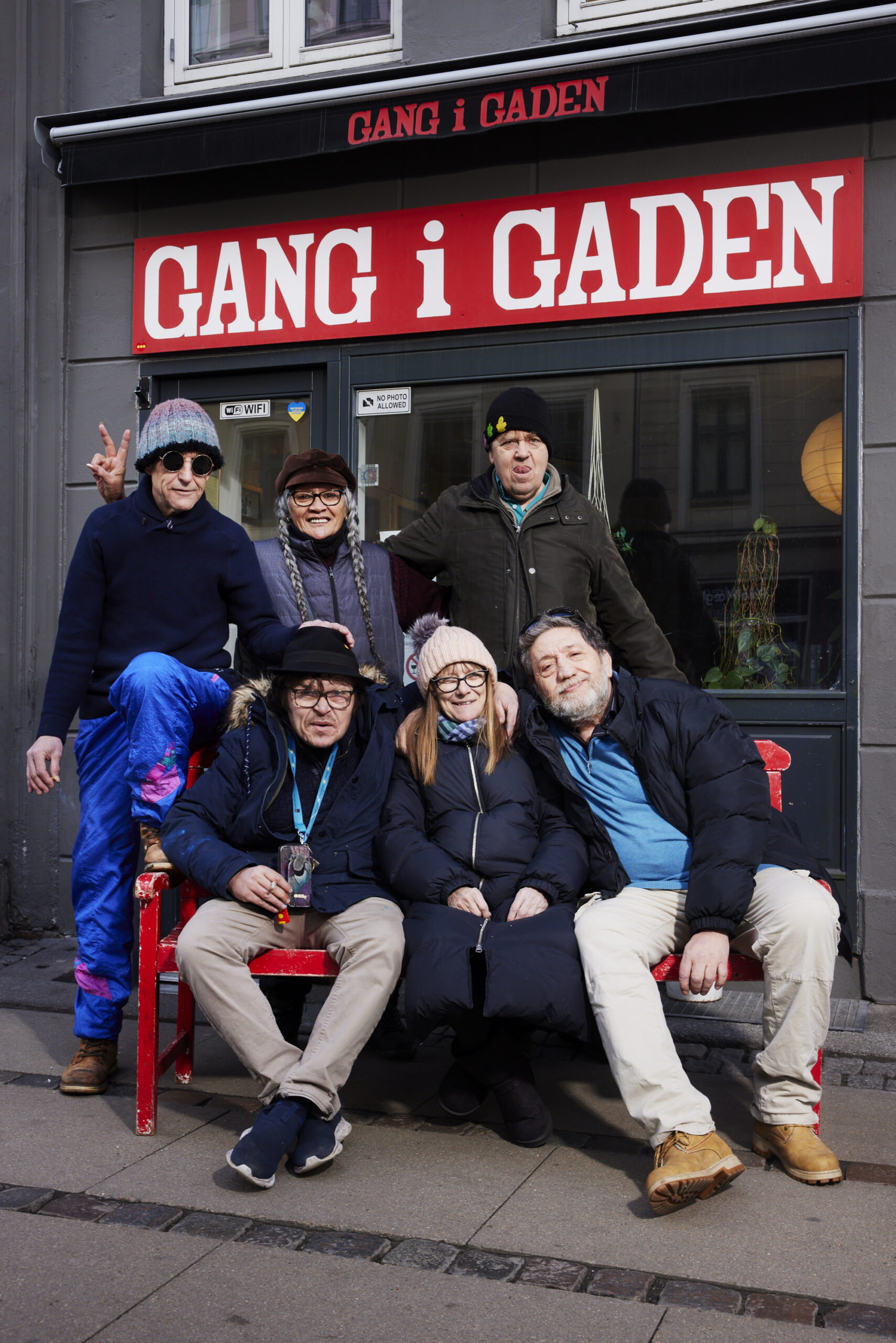 Photo by SettlementetPhoto by Settlementet
Approach
Photo by SettlementetPhoto by SettlementetTo meet growing need without compromising on safety or community, Settlementet is extending Gang i Gaden’s opening hours with three additional afternoon sessions per week – offering smaller group activities including a reading club, writing groups, discussion courses, and a smoking cessation café. These structured sessions create calmer, more intimate spaces alongside the main drop-in, allowing staff to provide more meaningful individual support.
In parallel, Settlementet is strengthening its outreach work – connecting users to other good resources across the city, including contact centres, churches, cultural activities, and green spaces. Cross-sector collaboration with partners such as the Contact Centre and Café Klare will help build a more connected network of support for the people who need it most.