


 GRANT
GRANTCommunity Forest Empowerment Program
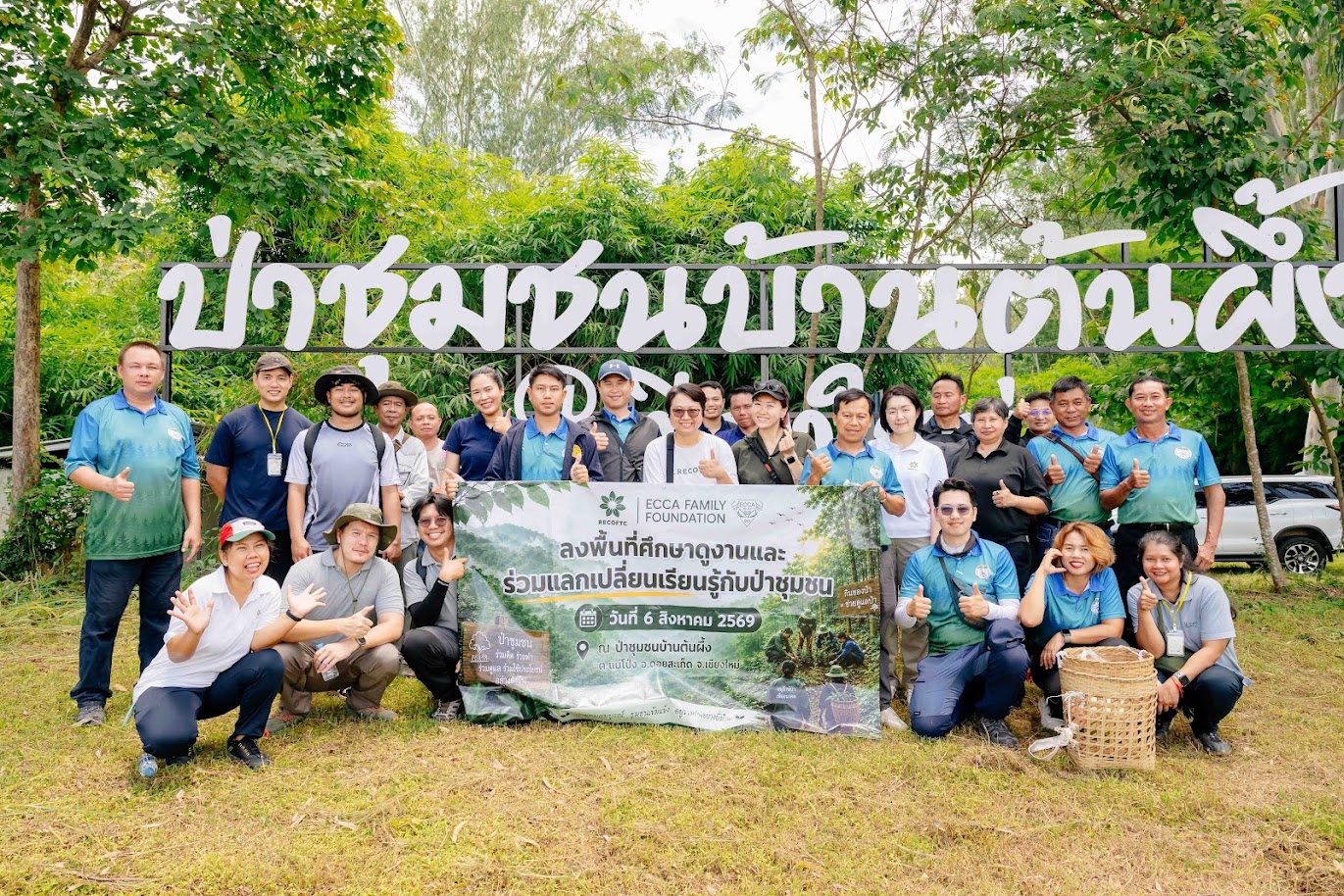
ECCA is supporting RECOFTC to establish Community Forest Learning Hubs in Saraburi and Krabi, strengthening local leadership, forest management, and Non-Timber Forest Product value chains. The hubs aim to build resilient communities and forests while creating models for people and nature to thrive together.

Challenge
 Photo by RECOFTCPhoto by RECOFTC
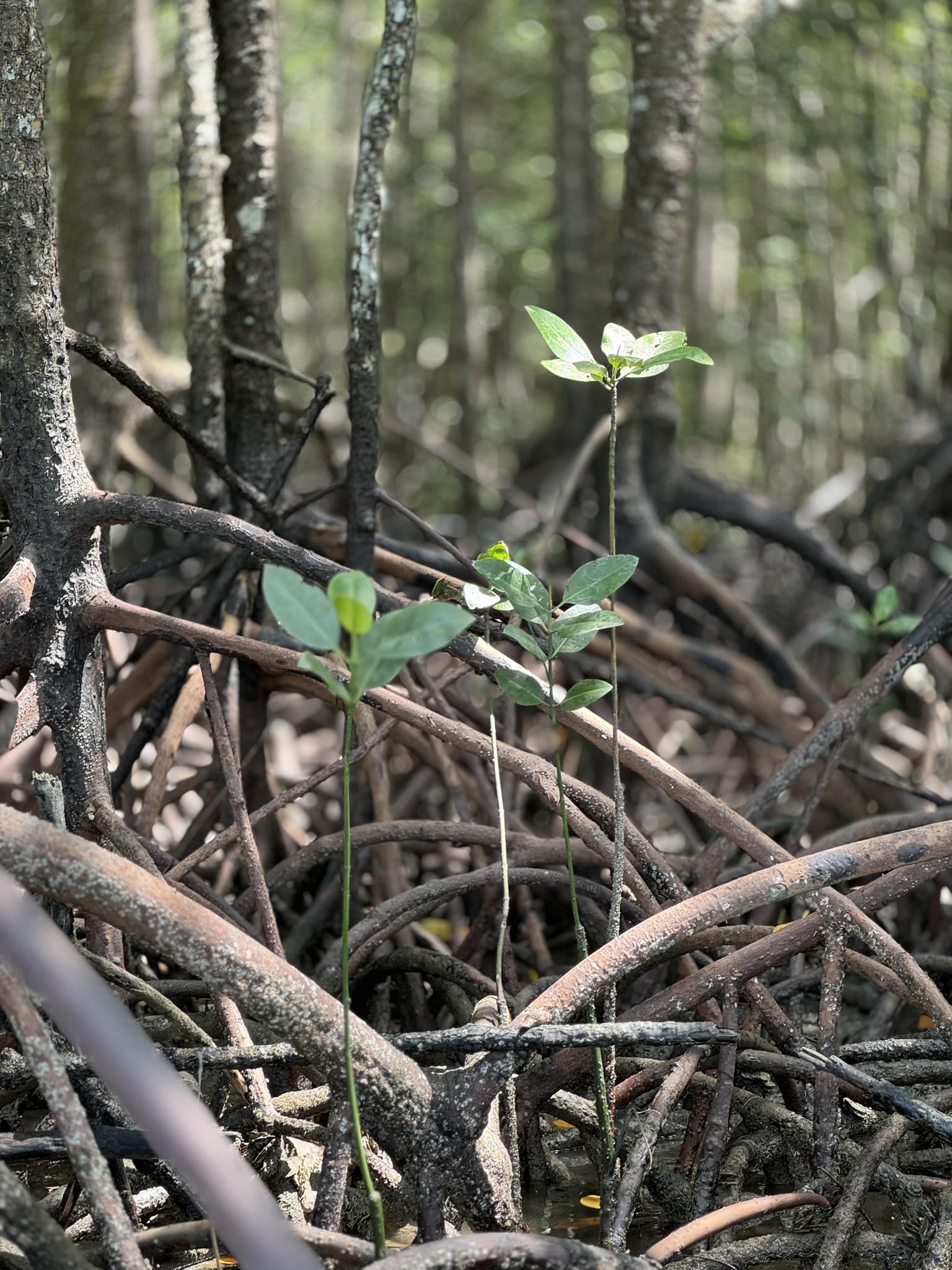
Thailand’s Community Forest Act (2019) recognizes local communities’ rights to manage forests — but excludes protected areas. This leaves many traditionally managed ecosystems, including mangroves, wetlands, and upland forests, without formal recognition or sustained support.
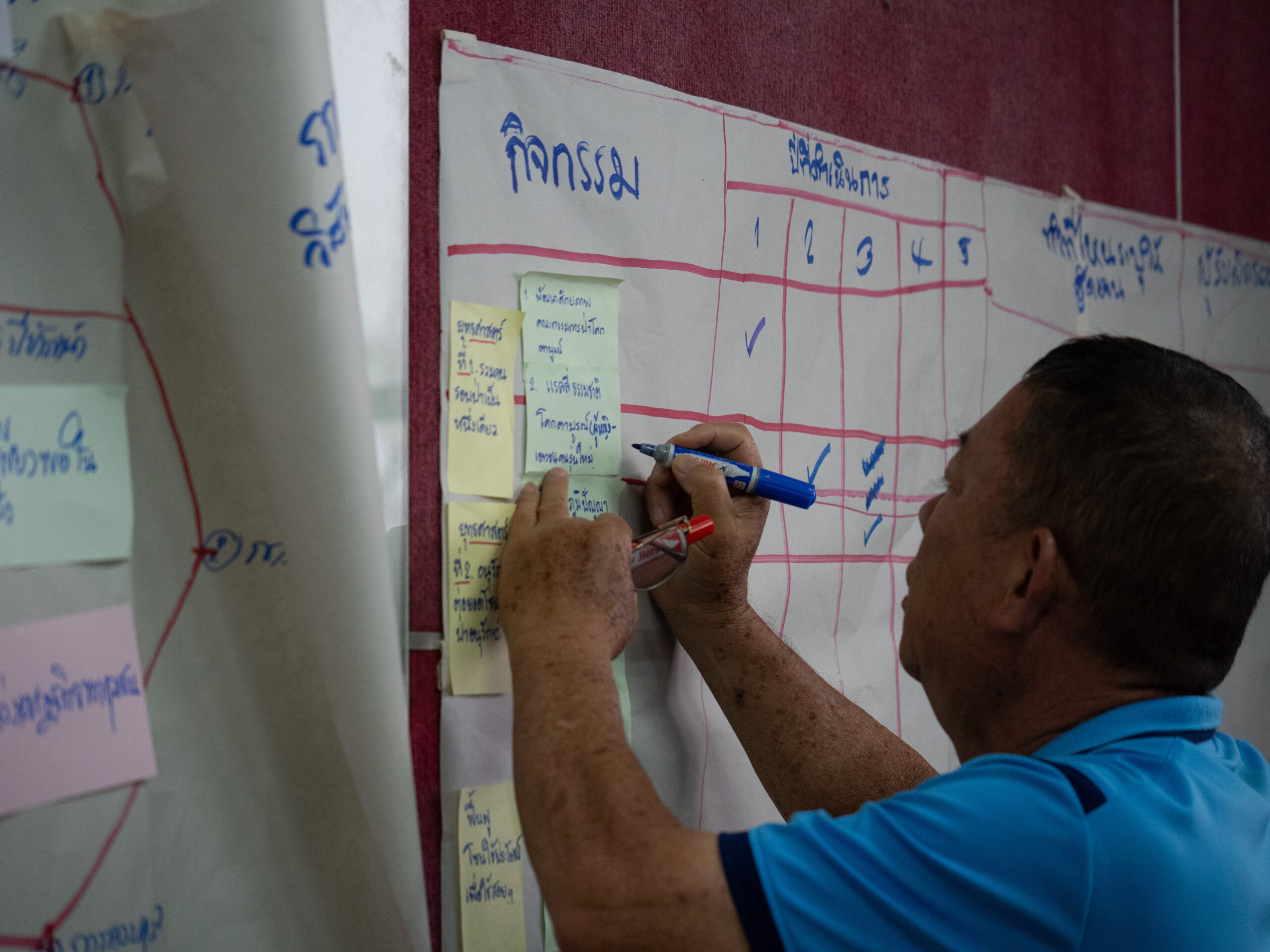
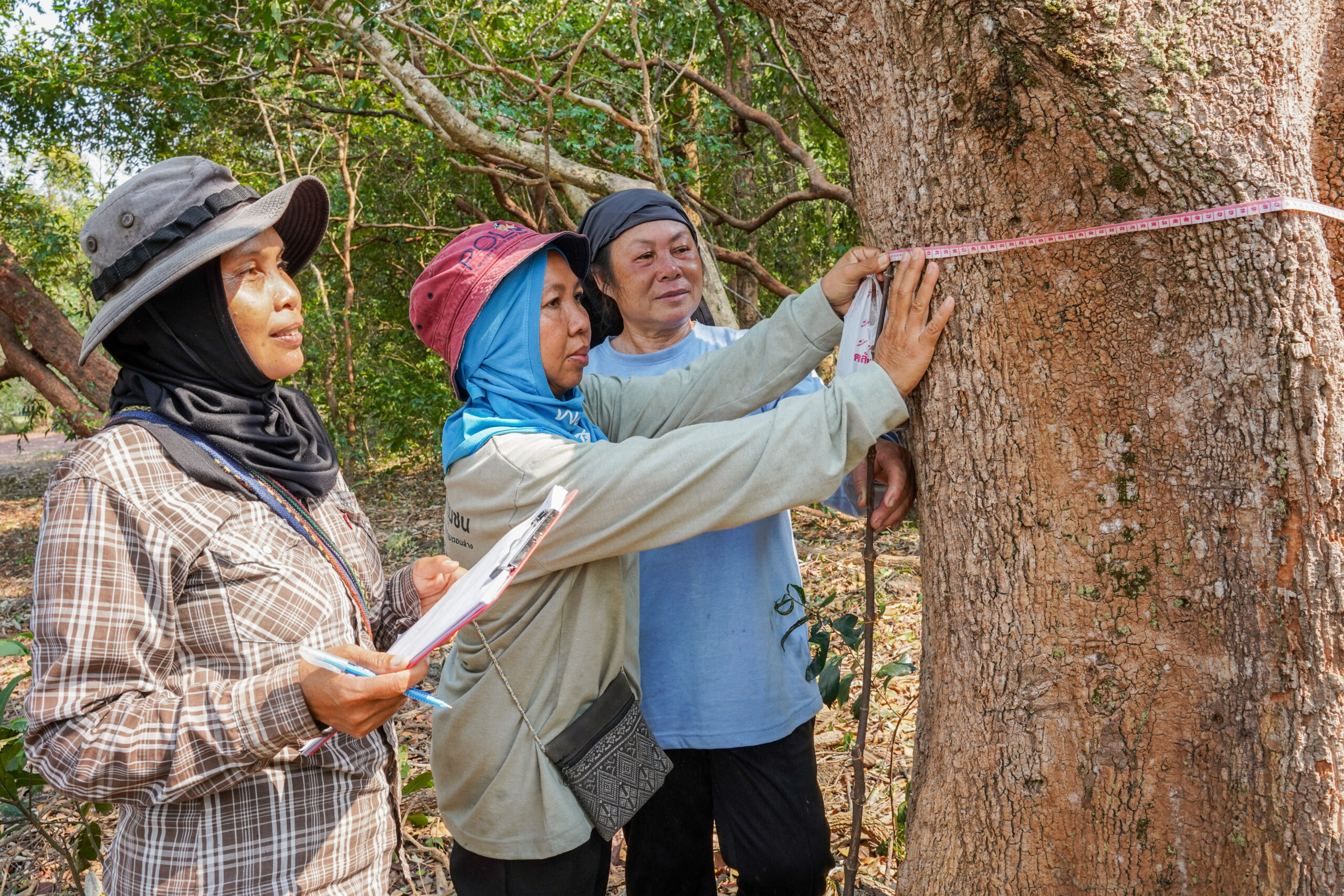
Capacity gaps are a major barrier. Communities often lack the knowledge, tools, and follow-through to develop the legally required Community Forest Management Plans (CFMPs). Government training is typically short-term with limited follow-up, and decentralized learning models remain rare.
Leadership succession is another concern. Many community forests are led by aging leaders, with few structured pathways to engage youth or transfer knowledge — putting long-term sustainability at risk.
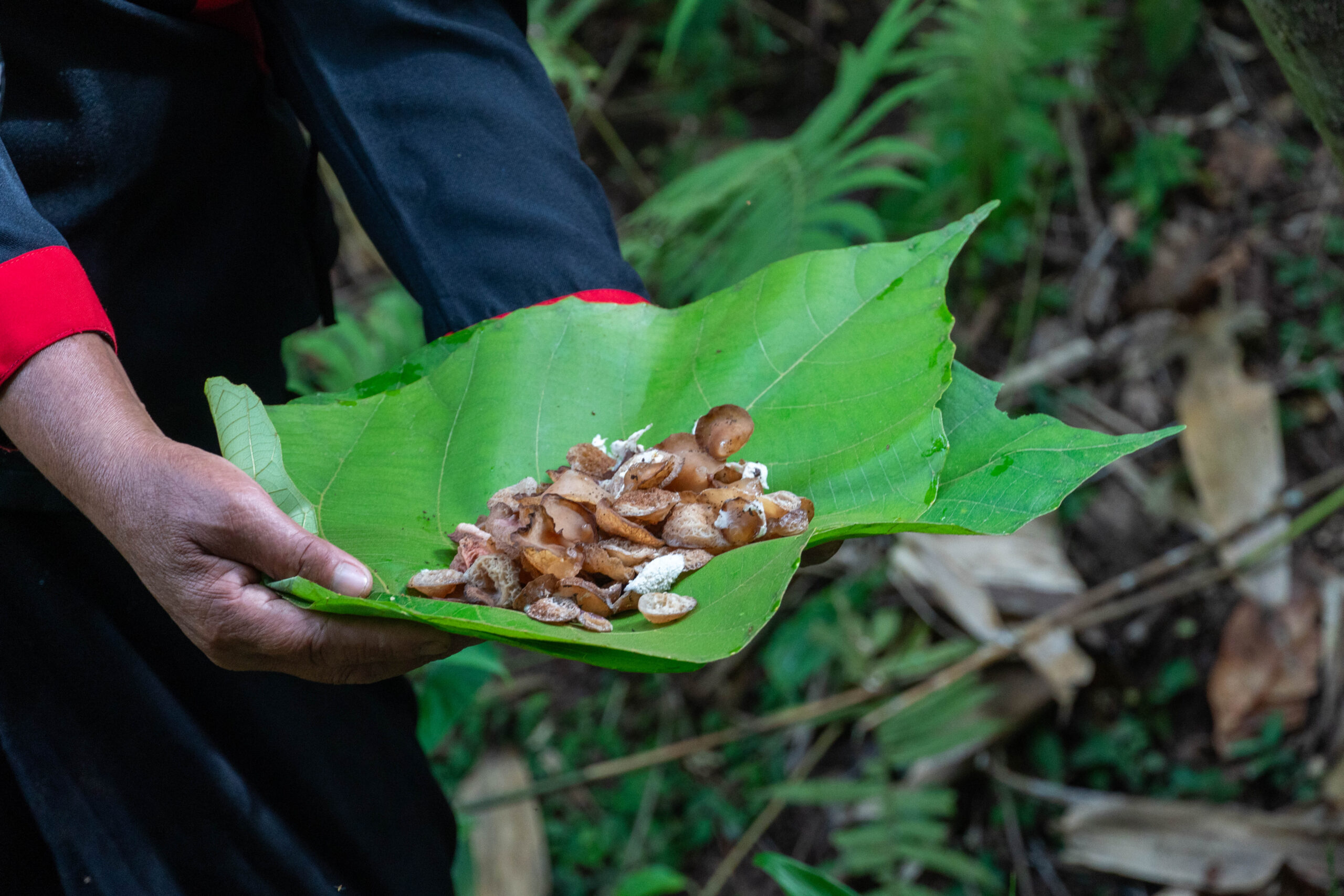
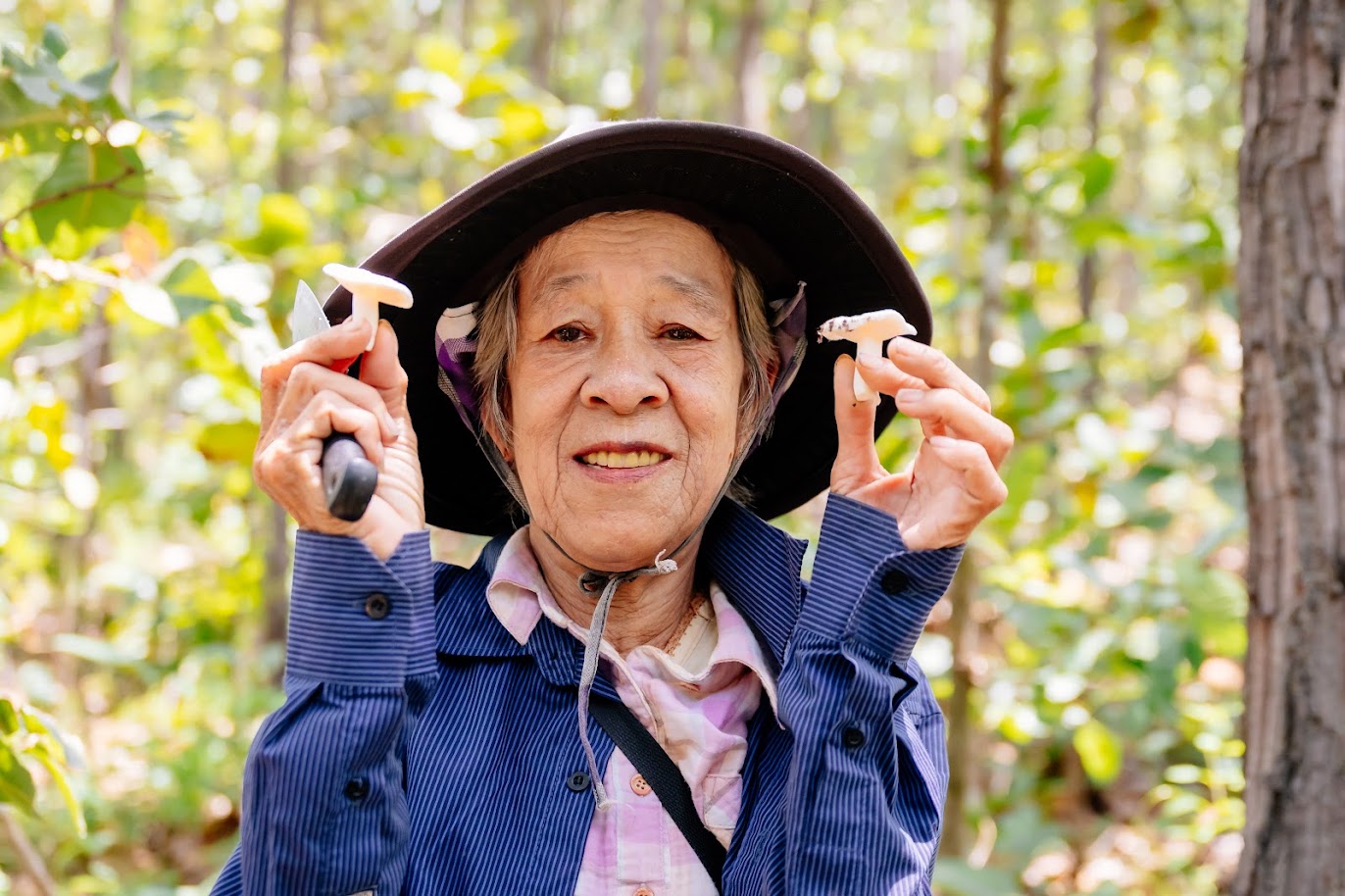
Livelihood opportunities from Non-Timber Forest Products (NTFPs) remain underdeveloped across both mangrove and upland contexts — with most communities selling raw products at low prices, without value addition, fair marketing, or equitable benefit-sharing. Access to sustained funding remains scarce throughout.
Approach
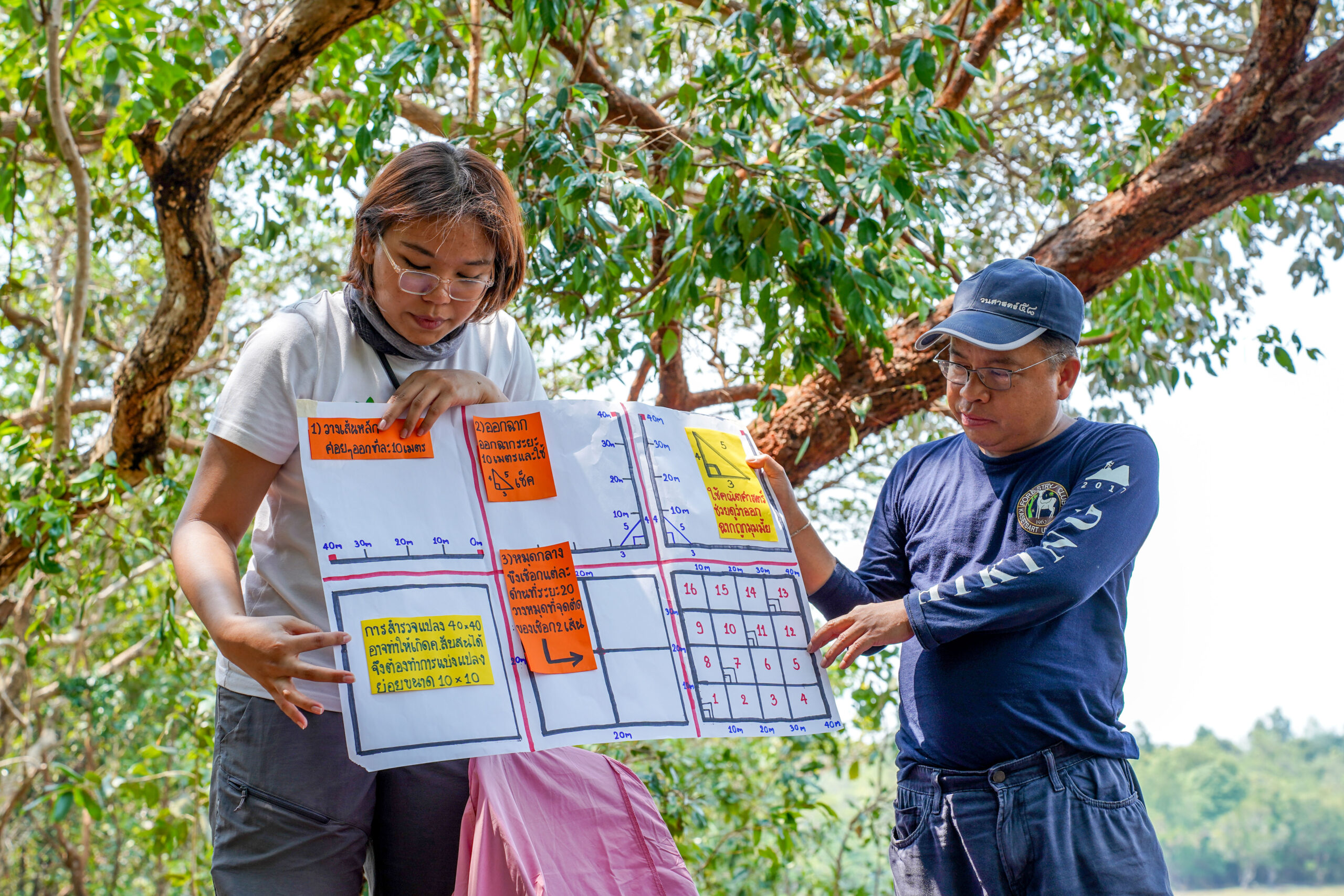
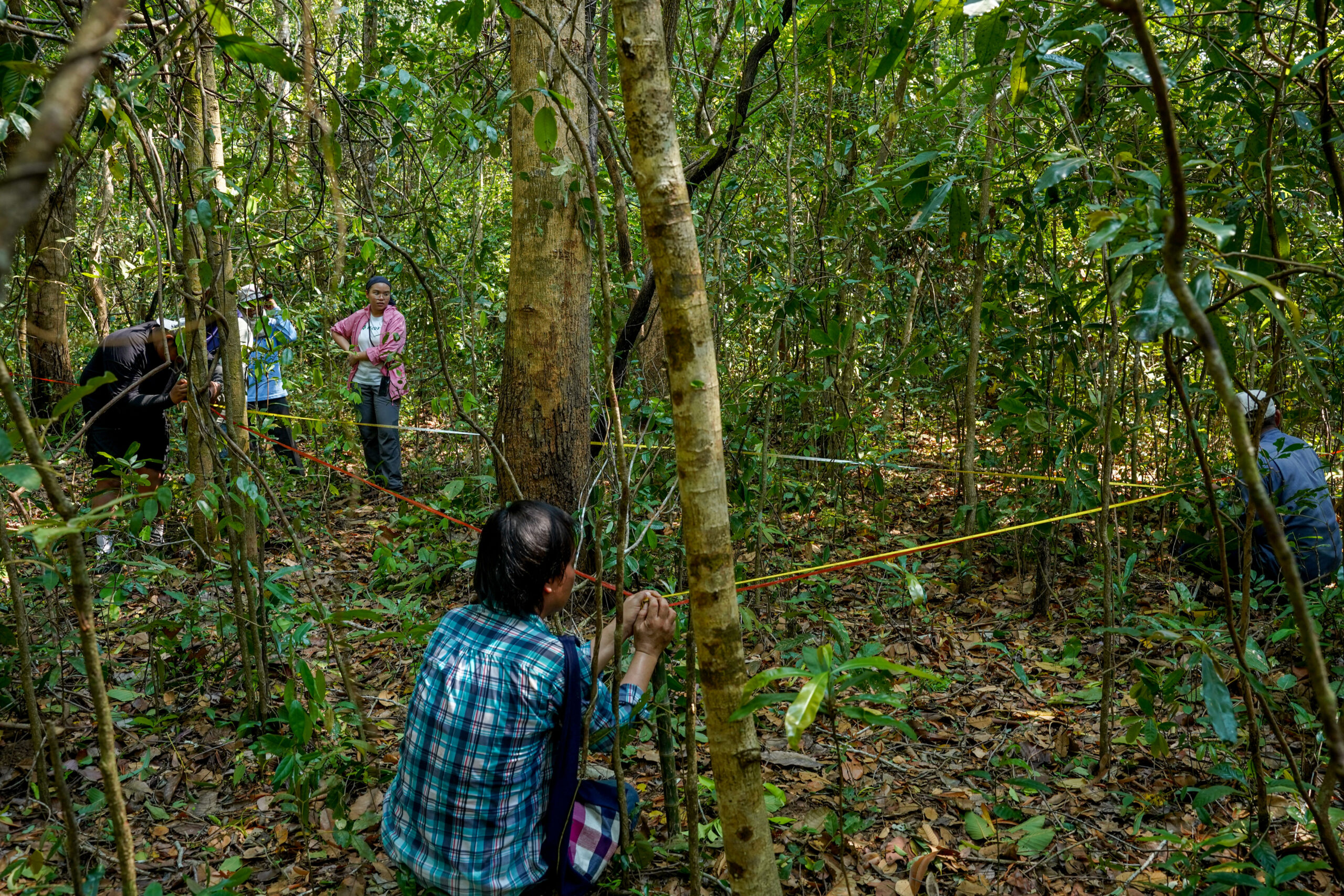
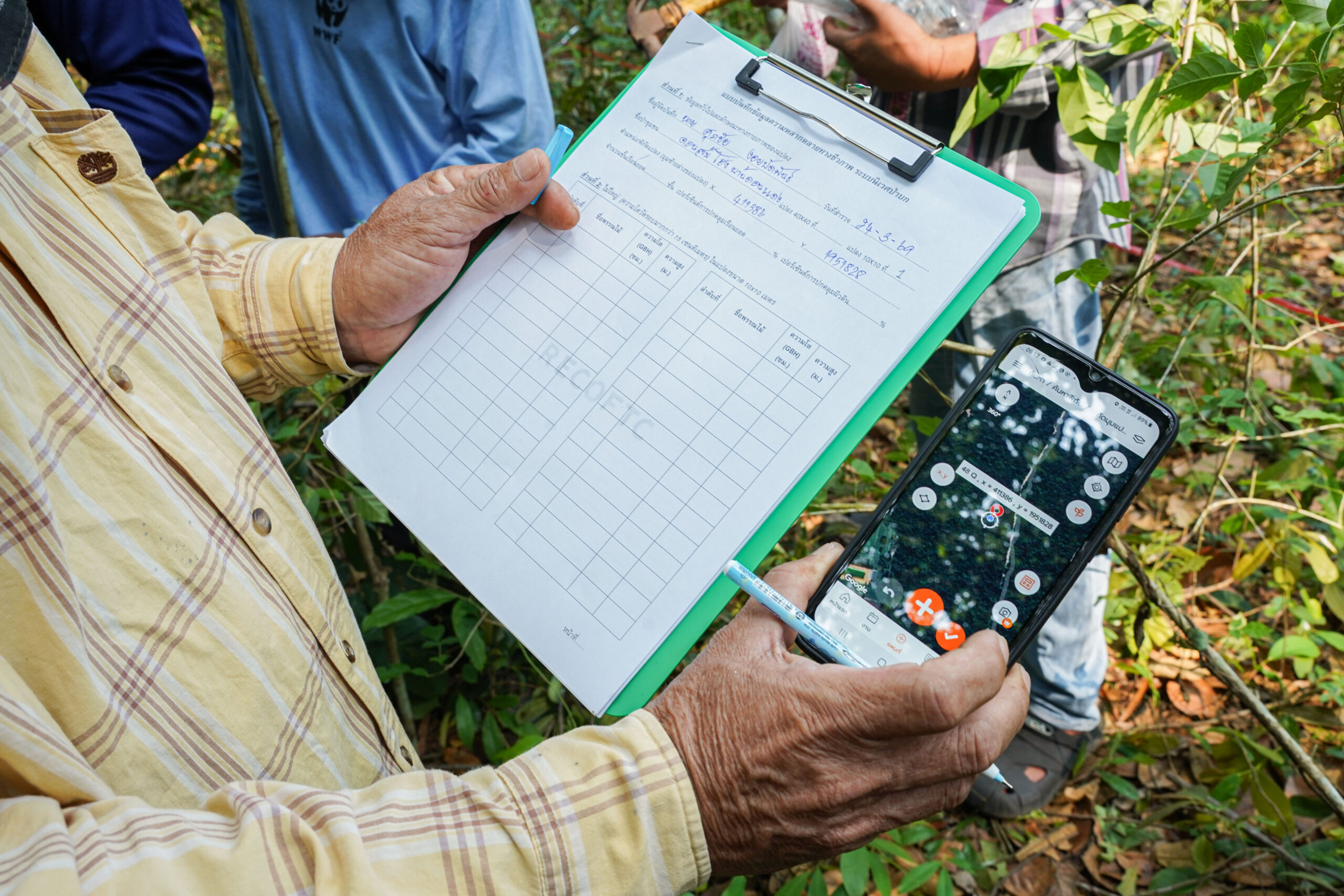
The project builds local capacity through a co-developed training program with government agencies, supported by digital tools including a monitoring system and biodiversity database linked to Thaichote.org. Regional Community Forest Learning Hubs – in collaboration with local government and civil society – offer hands-on training on biodiversity surveys, forest health assessments, CFMP development, and long-term monitoring across both mangrove and upland forest contexts.
To ensure financial sustainability, the project supports enterprise development and fundraising – partnering with platforms like thaicfnet.org and Taejai to mobilize resources, while equipping communities with tools to build forest-based businesses focused on value addition, sustainable harvesting, and fair market access. Completed CFMPs are submitted to provincial committees for formal recognition, reinforcing legal and institutional support for community-led conservation.
Outcomes
By April
2028







Thailand’s community forests – from mangrove coastlines to upland forests – need sustained investment, capable local leaders, and systems that last. If you work in community forestry, forest-based enterprise, or rural livelihoods in Southeast Asia, we’d love to connect and explore what we can build together.