


 GRANT
GRANTBangkok Climate Action Week 2025
Bangkok Climate Action Week (BKKCAW) is Southeast Asia’s first city-scale climate festival, organized by JUTI. Taking place across iconic Bangkok venues from 28 September to 4 October 2025, the inaugural edition brought together citizens, artists, policymakers, faith leaders, and communities to celebrate local leadership and drive collective action toward a climate-safe, inclusive future. ECCA Family Foundation supported the inaugural edition by helping develop BKKCAW’s program strategy, impact framework, and communications campaign – ensuring the festival was both radically inclusive and built for measurable, lasting impact.

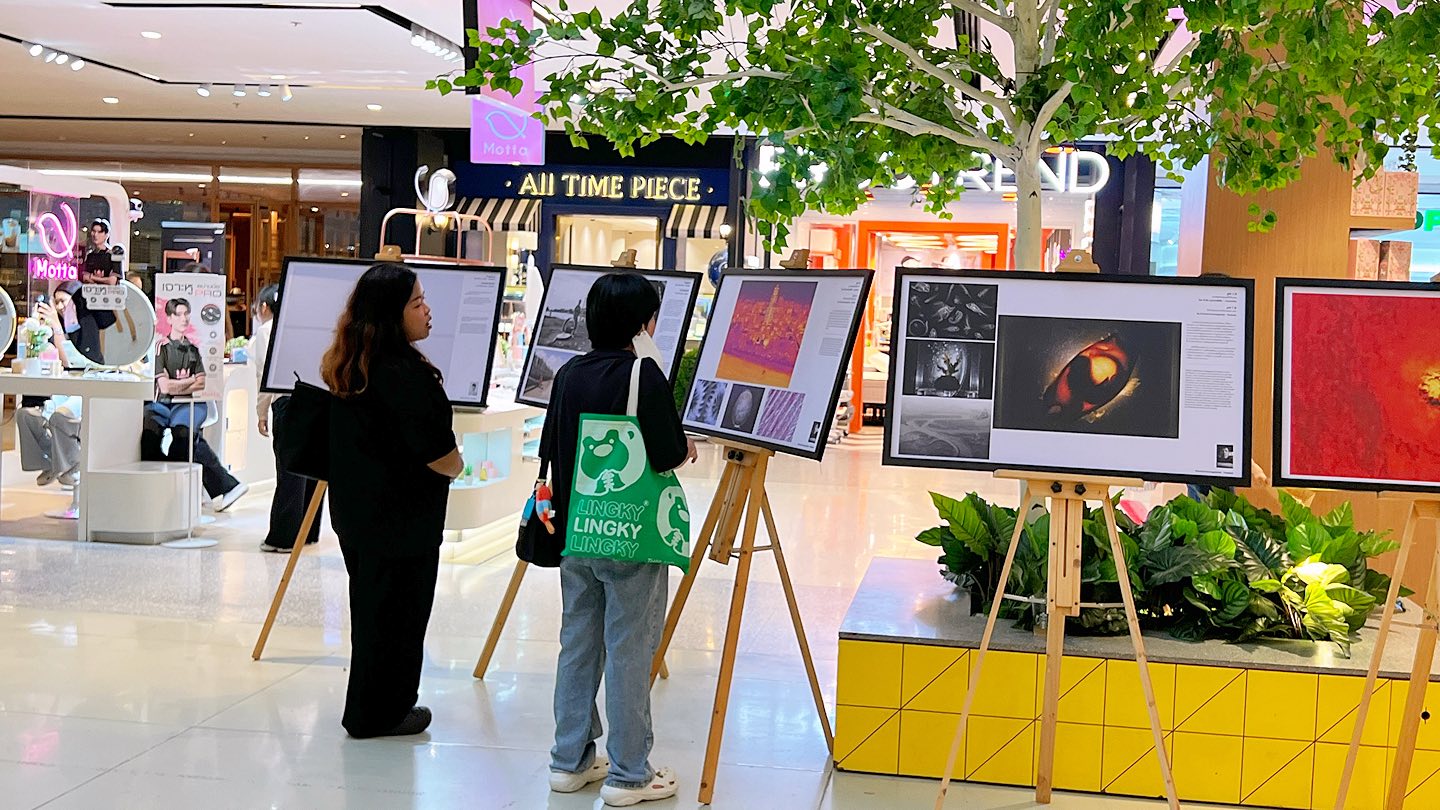 Photo by BKKCAWPhoto by BKKCAW
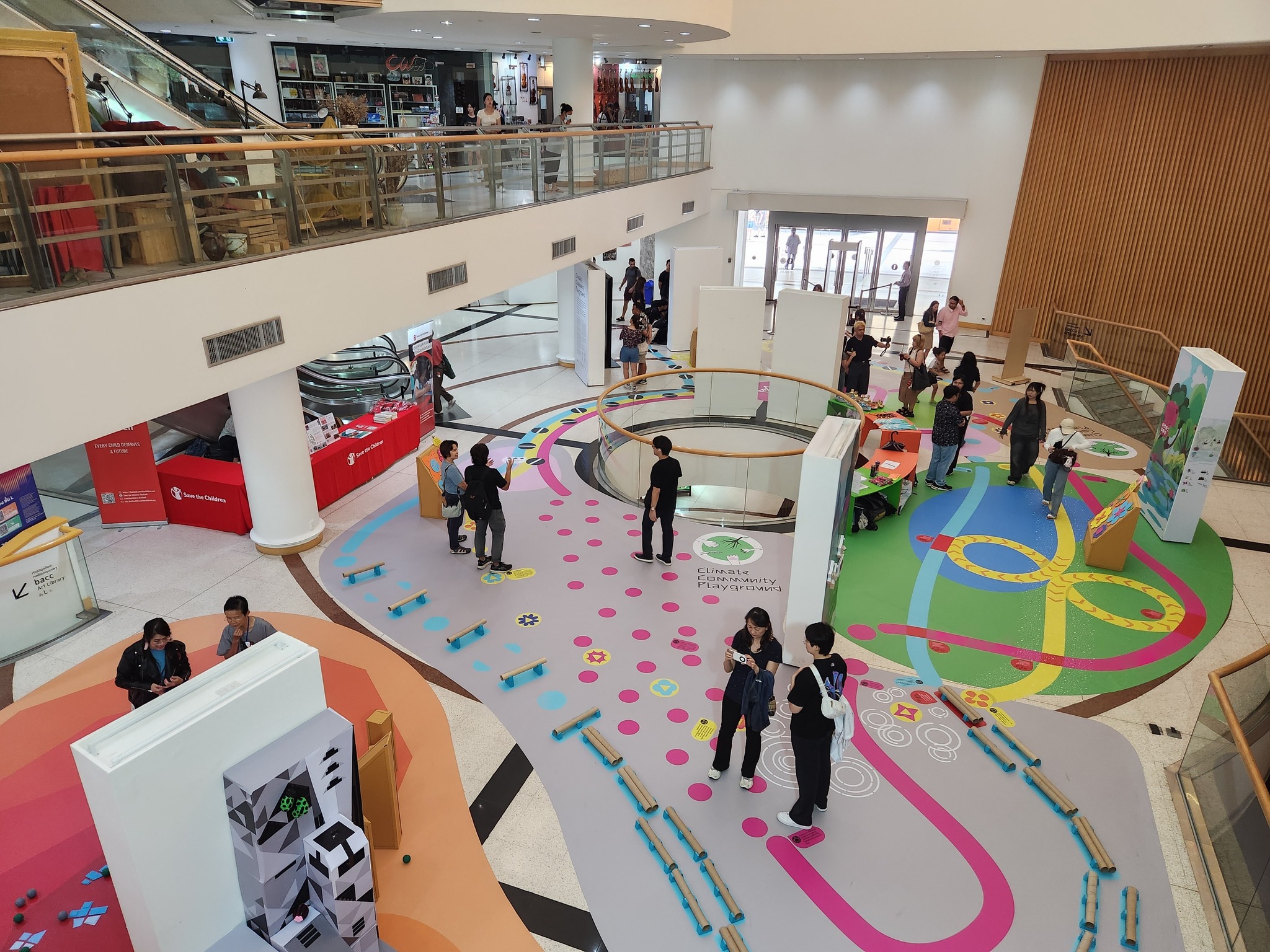 Photo by BKKCAWPhoto by BKKCAW
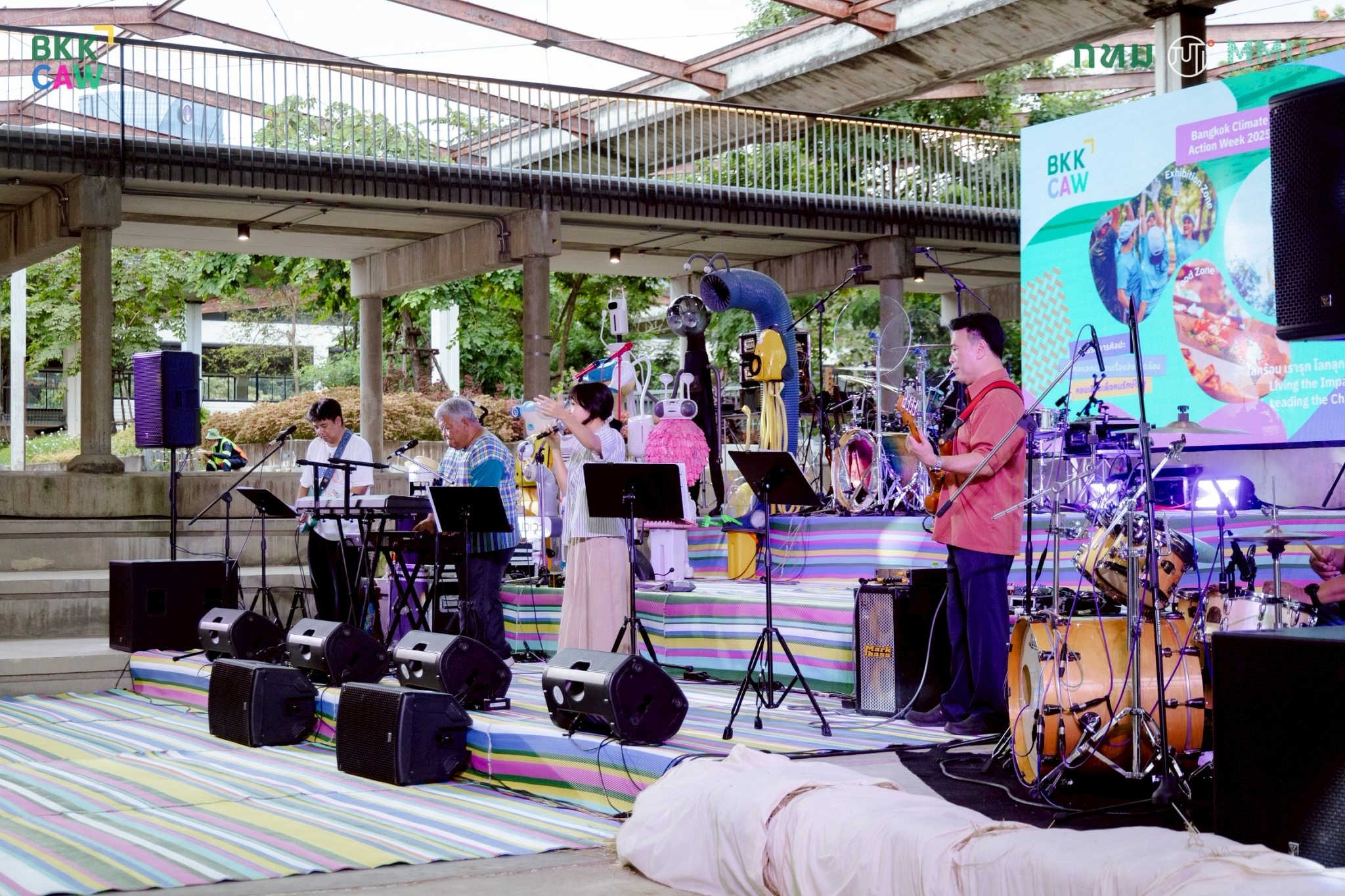 Photo by BKKCAWPhoto by BKKCAW
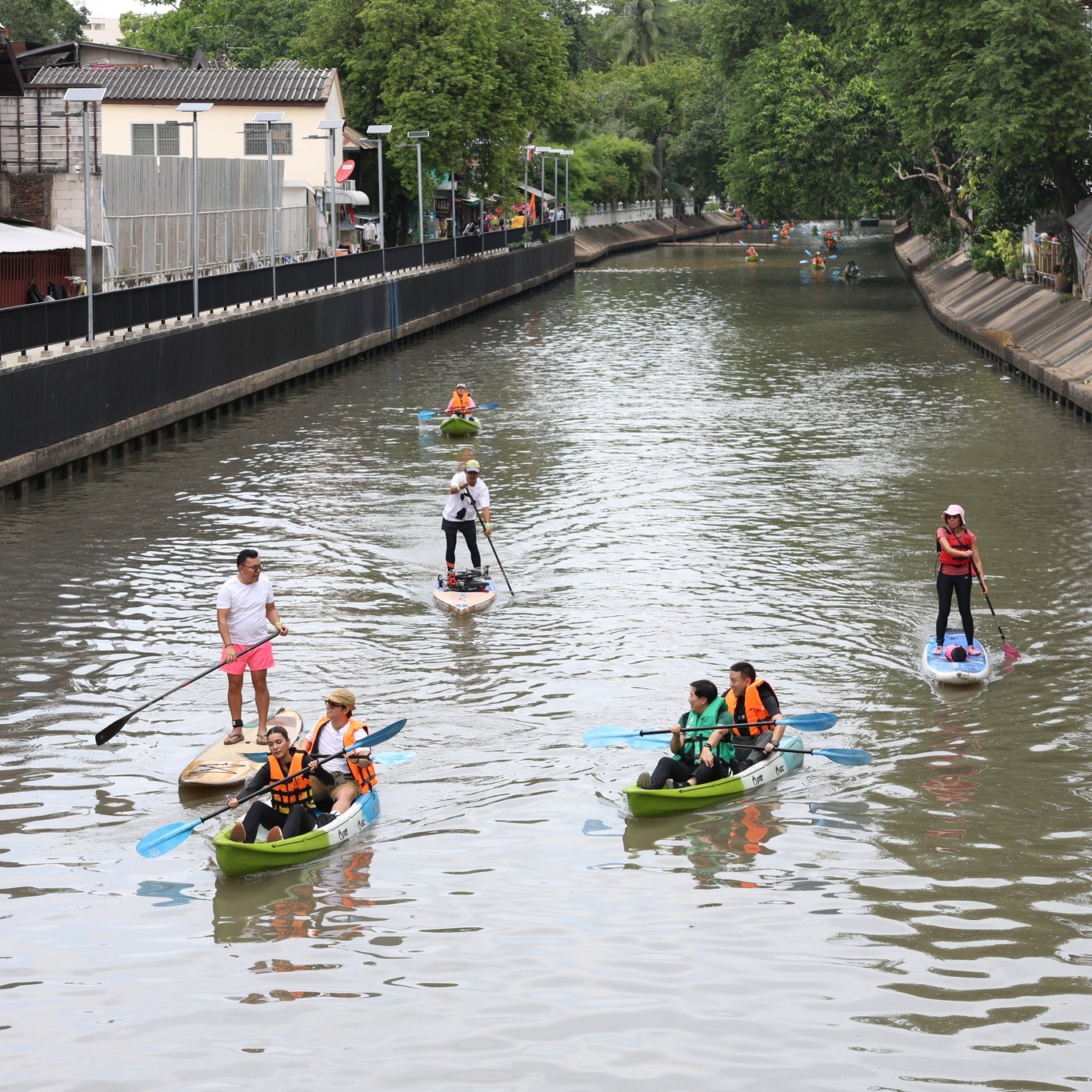 Photo by BKKCAWPhoto by BKKCAW
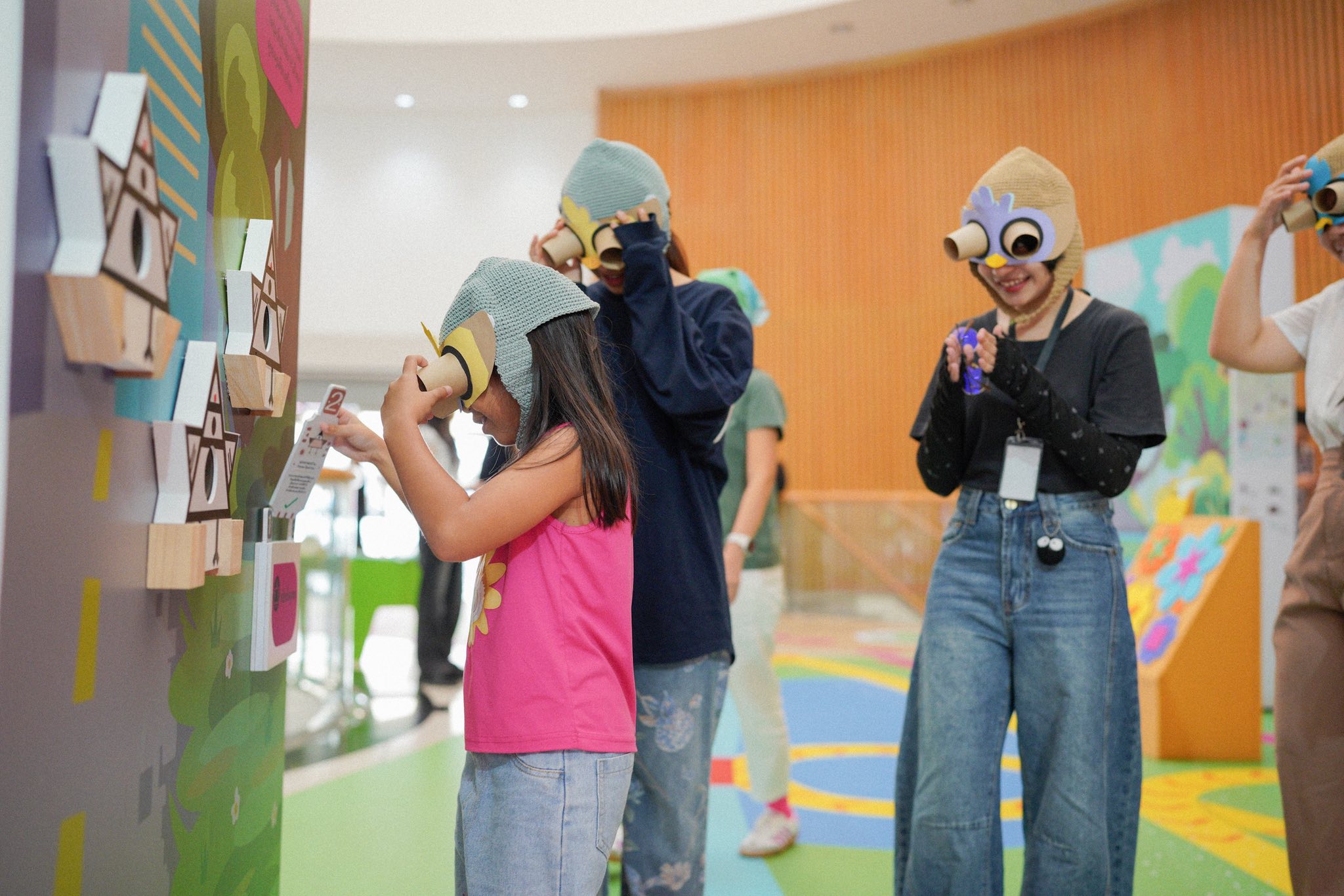 Photo by BKKCAWPhoto by BKKCAW
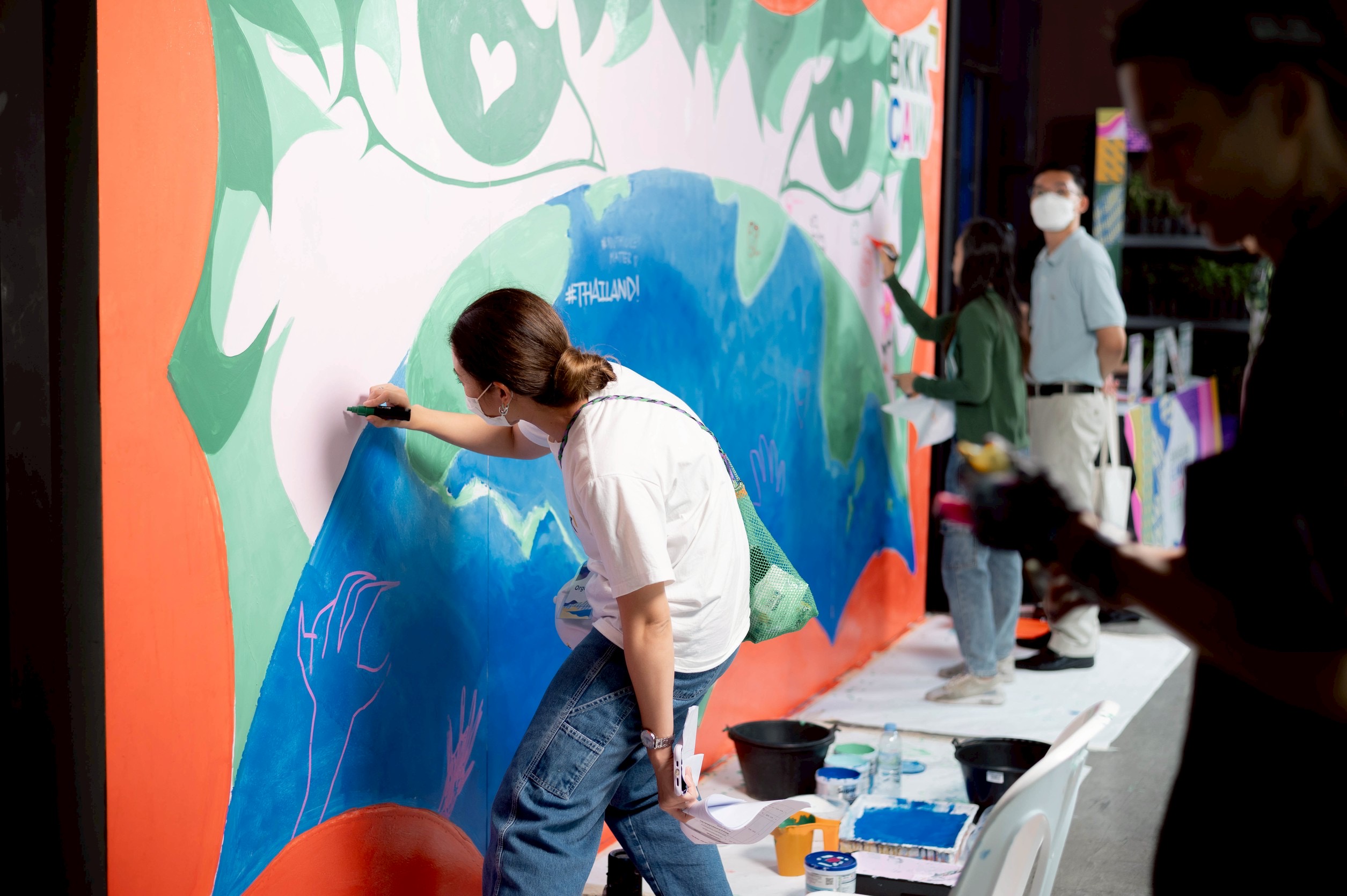 Photo by BKKCAWPhoto by BKKCAW
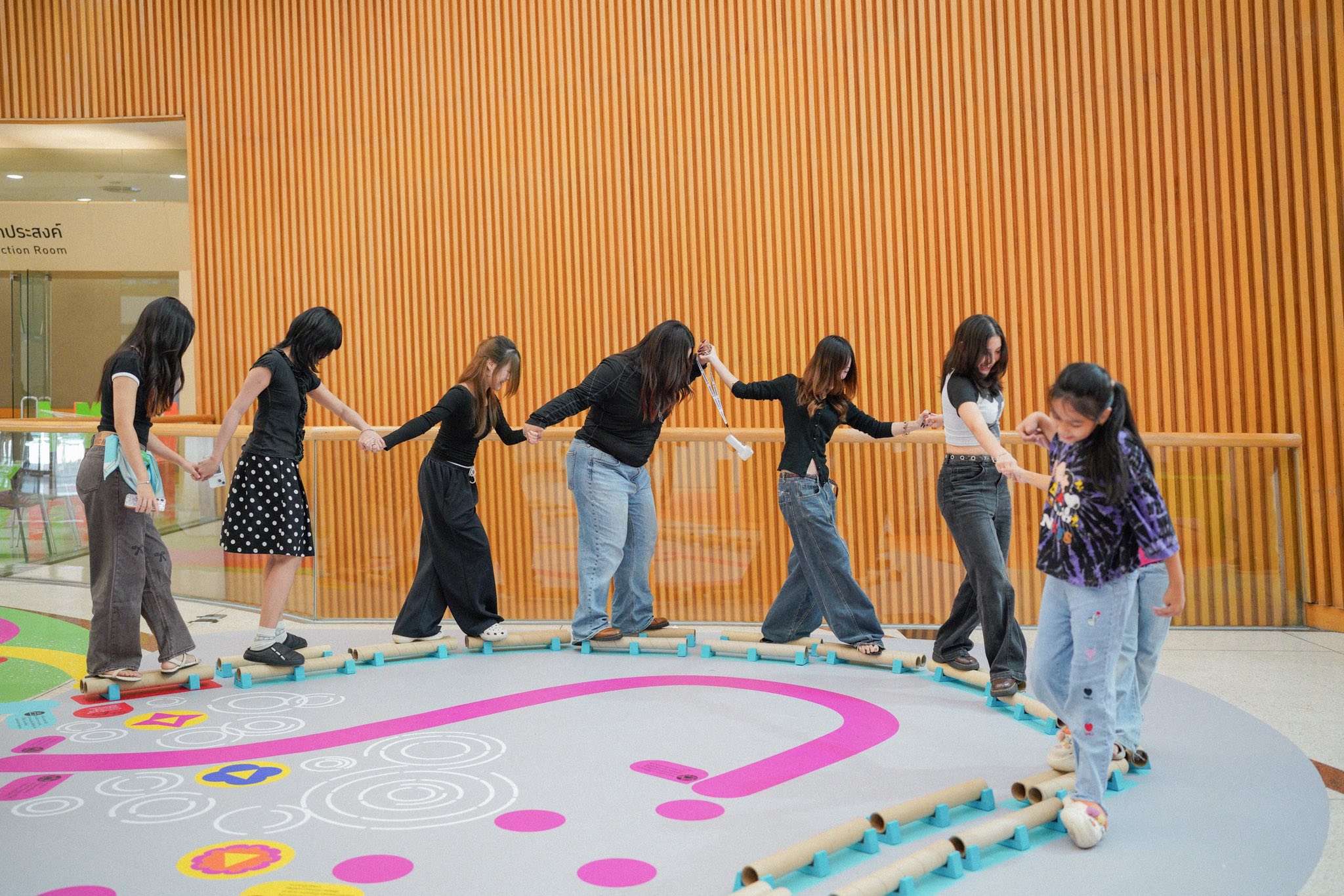 Photo by BKKCAWPhoto by BKKCAWPhoto by BKKCAWPhoto by BKKCAWPhoto by BKKCAWPhoto by BKKCAWPhoto by BKKCAWPhoto by BKKCAWPhoto by BKKCAWPhoto by BKKCAWPhoto by BKKCAWPhoto by BKKCAWPhoto by BKKCAWPhoto by BKKCAWPhoto by BKKCAWPhoto by BKKCAW
Challenge
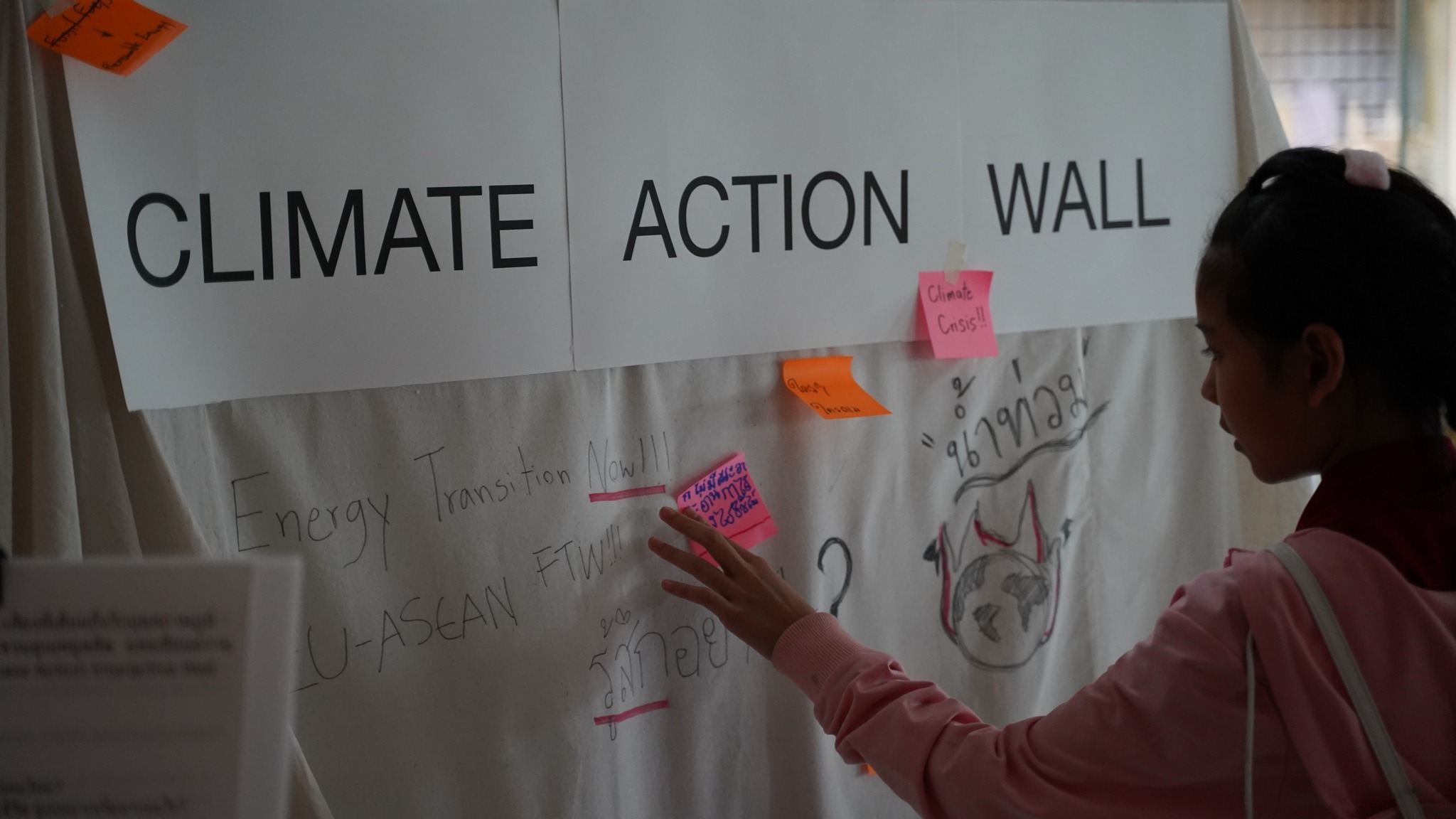 Photo by BKKCAWPhoto by BKKCAW
Weaving climate narratives meaningfully into arts and cultural programming requires genuine collaboration between artists, curators, and climate experts – to produce messaging that is both creatively compelling and grounded. Reaching diverse audiences, particularly marginalized or climate-vulnerable communities, demands careful thought around language, accessibility, and venue selection.
Coordinating high-profile cultural spaces like the Bangkok Art and Culture Centre across a multi-day festival introduces real logistical and financial complexity. And engaging local artists and grassroots groups as genuine co-creators — rather than one-off contributors — requires sustained trust-building, fair compensation, and real capacity support.
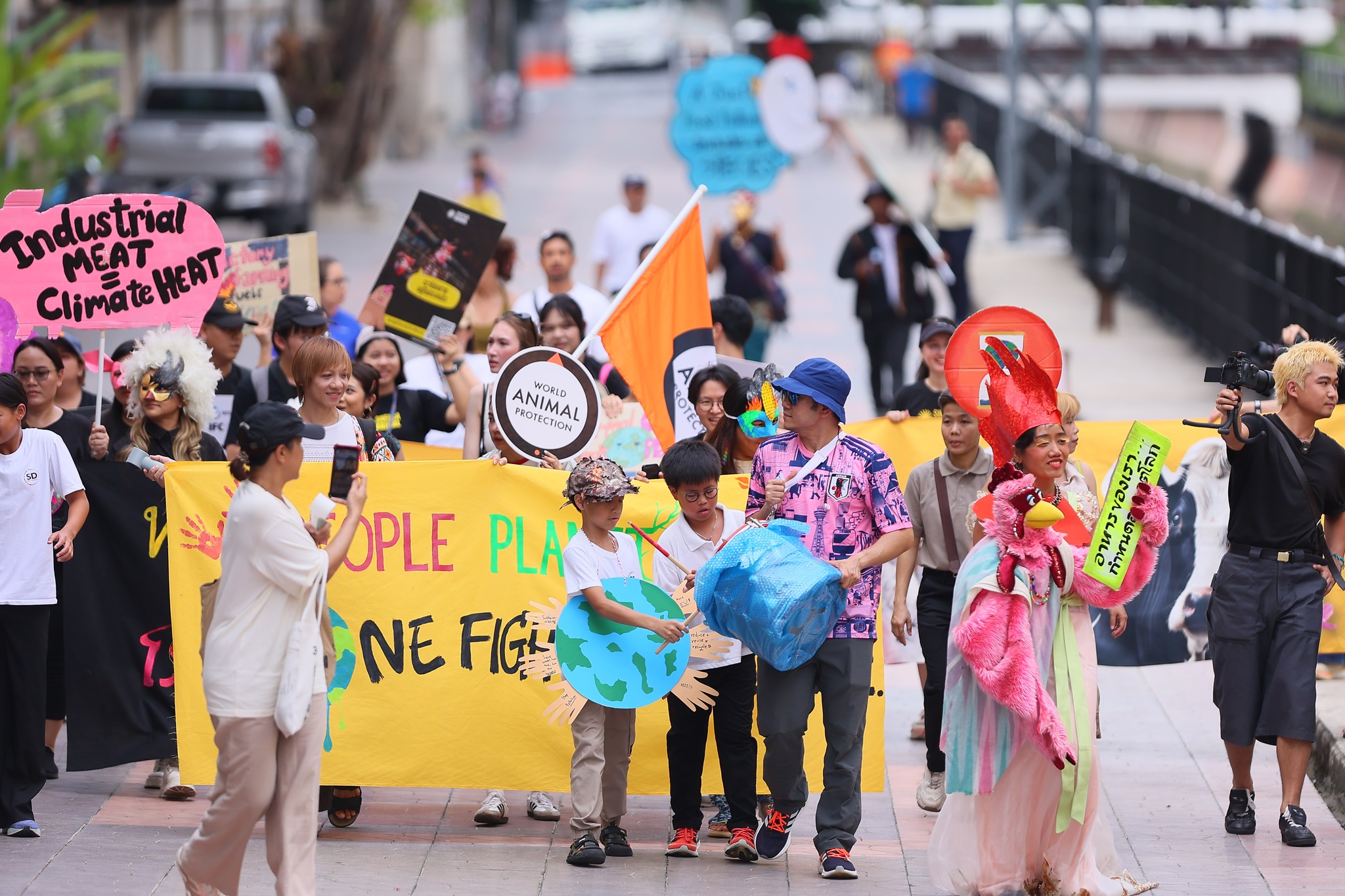 Photo by BKKCAWPhoto by BKKCAW
Approach
Photo by BKKCAWPhoto by BKKCAWBKKCAW places arts and culture at the heart of its strategy, treating creative expression as a genuine catalyst for climate awareness – not a backdrop to it. Across 250 events at venues including the Bangkok Art and Culture Centre (BACC), Lumpini Park, temples, classrooms, and art spaces, the festival wove sustainability themes into immersive public experiences – engaging people emotionally as much as intellectually.
Drawing on Thailand’s rich cultural heritage and artistic talent, the festival reached across communities and generations – inviting participation from policymakers, business leaders, students, and community groups not as observers of climate action, but as participants in it.